The Diphtheria Outbreak in Australia: A Growing Concern
Health officials across Australia are sounding the alarm as the country faces its largest diphtheria outbreak since national records began in 1991. Over 220 people have tested positive for the disease, with the majority of cases concentrated in the Northern Territory (NT), Western Australia (WA), and South Australia. The NT has been hit particularly hard, with 155 cases recorded since January 1 this year, according to the NT’s chief health officer, Paul Burgess.
The Australian Centre for Disease Control (CDC) reported that 94% of cases identified since January 1 have involved Aboriginal and Torres Strait Islander people. This highlights a significant disparity in vulnerability, prompting new recommendations for booster vaccinations among Indigenous communities. Dr. Burgess emphasized that while the diphtheria vaccine provides immunity for 10 years, Aboriginal people should now receive a booster every five years to maintain protection.
Despite these measures, one person in the NT has died from diphtheria, marking the first death from the disease in nearly a decade. However, Dr. Burgess cautioned that it is difficult to determine whether the infection was the direct cause of death, as diphtheria can be a contributing factor without being the primary cause.
Regional Impact and Spread of the Outbreak
The outbreak has raised concerns about its potential spread to other regions, particularly Queensland. Manjit Sekhon, CEO of Gidgee Healing, an Indigenous primary health care provider based in Mount Isa, warned that Far North Queensland could be at risk due to its proximity to affected areas. She explained that families and communities frequently cross borders, increasing the likelihood of the infection spreading.
Steven Donohue, Townsville Public Health director, confirmed that the disease may already be present in North West Queensland. He stressed that the outbreak is spreading through vulnerable communities and could eventually reach urban areas if not controlled. “It’s just about how many people are protected,” he said, emphasizing the need for increased vaccination efforts.
While Queensland’s Chief Health Officer, Marianne Gale, stated there is no current broad community risk, she urged individuals traveling to affected areas or hosting visitors from those regions to remain vigilant. So far, Queensland has recorded three confirmed diphtheria cases, with two linked to WA and one acquired overseas.
Understanding the Outbreak
A CDC spokesperson noted that the strain of diphtheria currently circulating appears to have emerged recently, though it may have been present in Australia for some time. Sporadic cases are not uncommon, but the scale of this outbreak is unusual. Burnet Institute’s Milena Dalton pointed to gaps in the health system, particularly in remote communities where access to vaccinations can be limited. She highlighted the importance of addressing issues such as distance, transport, and workforce shortages, rather than focusing solely on vaccine hesitancy.
Dr. Dalton also stressed the need for rapid testing, treatment, and contact tracing to prevent further spread. She called for a coordinated government response to ensure all affected areas are adequately supported.
What Is Diphtheria?
Diphtheria is a life-threatening bacterial infection that can be prevented through vaccination. There are two strains: respiratory and cutaneous. The respiratory form spreads through droplets from coughing or sneezing and can lead to severe complications, including death. According to the Australian CDC, one in 10 people with respiratory symptoms may die even with treatment.
Historically, diphtheria was a major cause of childhood mortality, with over 4,000 Australians dying from the disease between 1926 and 1935. Vaccination programs in the 1930s helped eliminate the disease in Australia, but recent outbreaks have shown that it remains a threat, especially in high-risk communities.
State Responses and Vaccination Efforts
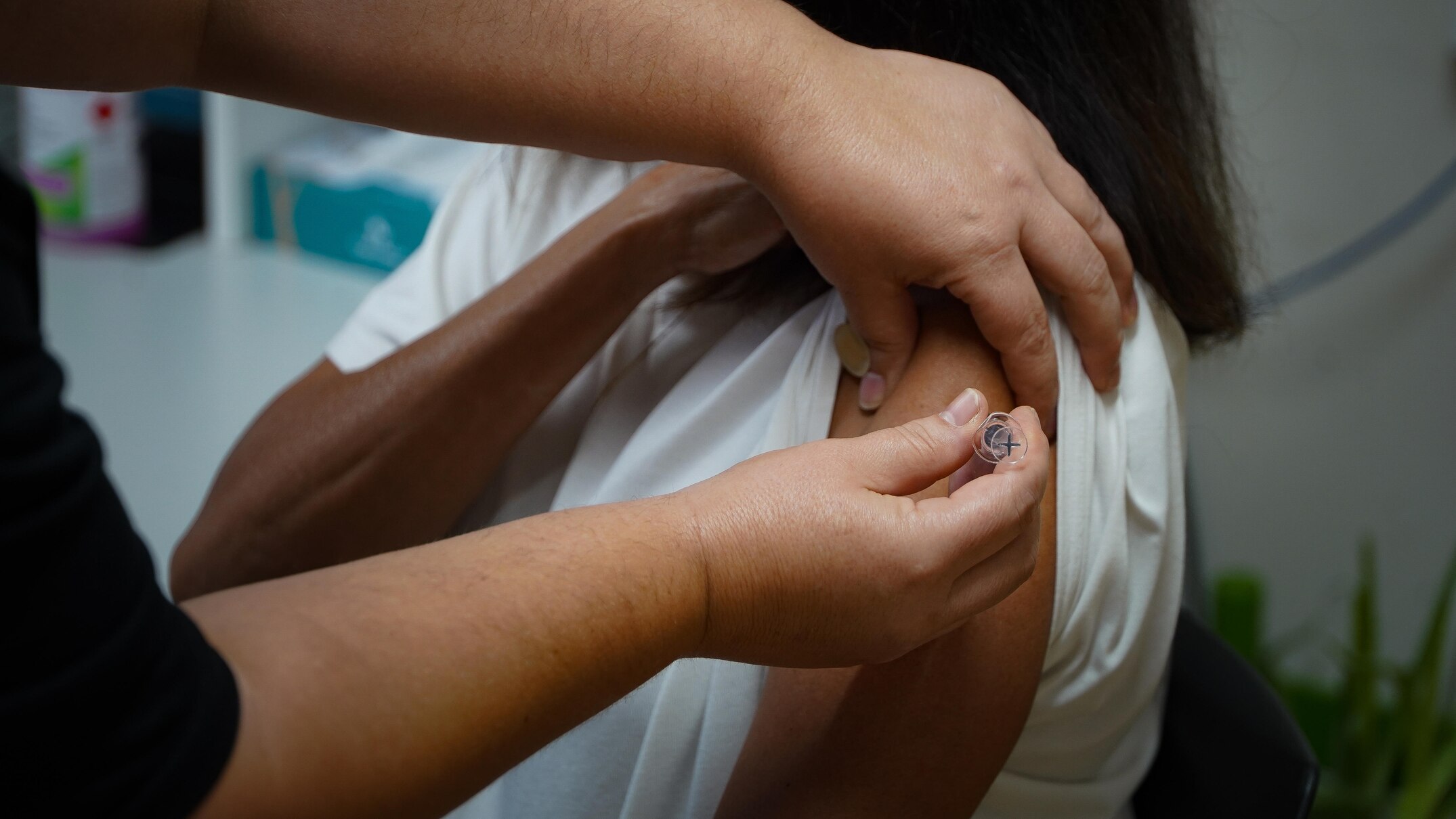
Western Australia, with 82 cases, has taken steps to address the outbreak, including contact tracing and booster vaccinations in the Kimberley region. Health Minister Meredith Hammat emphasized the importance of up-to-date vaccinations, particularly for older individuals whose immunity may have waned.
South Australia, with six cases, has also taken the situation seriously. Health Minister Blair Boyer encouraged travelers to remote communities to seek vaccinations and stay informed about the risks. In Queensland, the government has made diphtheria-toxoid vaccines free for First Nations people aged 20 and older, with local health services promoting immunization.
Gidgee Healing is actively rolling out booster vaccines and hygiene messaging in north-west Queensland, where Indigenous communities face a higher risk of infection. Dr. Sekhon stressed the need for proactive measures to prevent the outbreak from escalating into a crisis.
Federal Support and Future Steps
Federal Health Minister Mark Butler announced plans for a support package aimed at boosting vaccination rates. The initiative will include additional vaccines and a surge in healthcare workers to assist in the effort.
As the outbreak continues, health officials across Australia are working to contain the spread and protect vulnerable populations. With coordinated efforts and increased awareness, the hope is to prevent further cases and avoid a more severe public health crisis.