Hidden References and Easter Eggs in “The Mandalorian and Grogu”
Fans of the “Star Wars” universe have always been on the lookout for hidden references, Easter eggs, and cameos in the latest installment, “The Mandalorian and Grogu.” The film is filled with nods to its predecessors, some obvious, others more subtle. Here are some of the most interesting ones that may have gone unnoticed.
Martin Scorsese’s Character: A Link to ‘Solo’
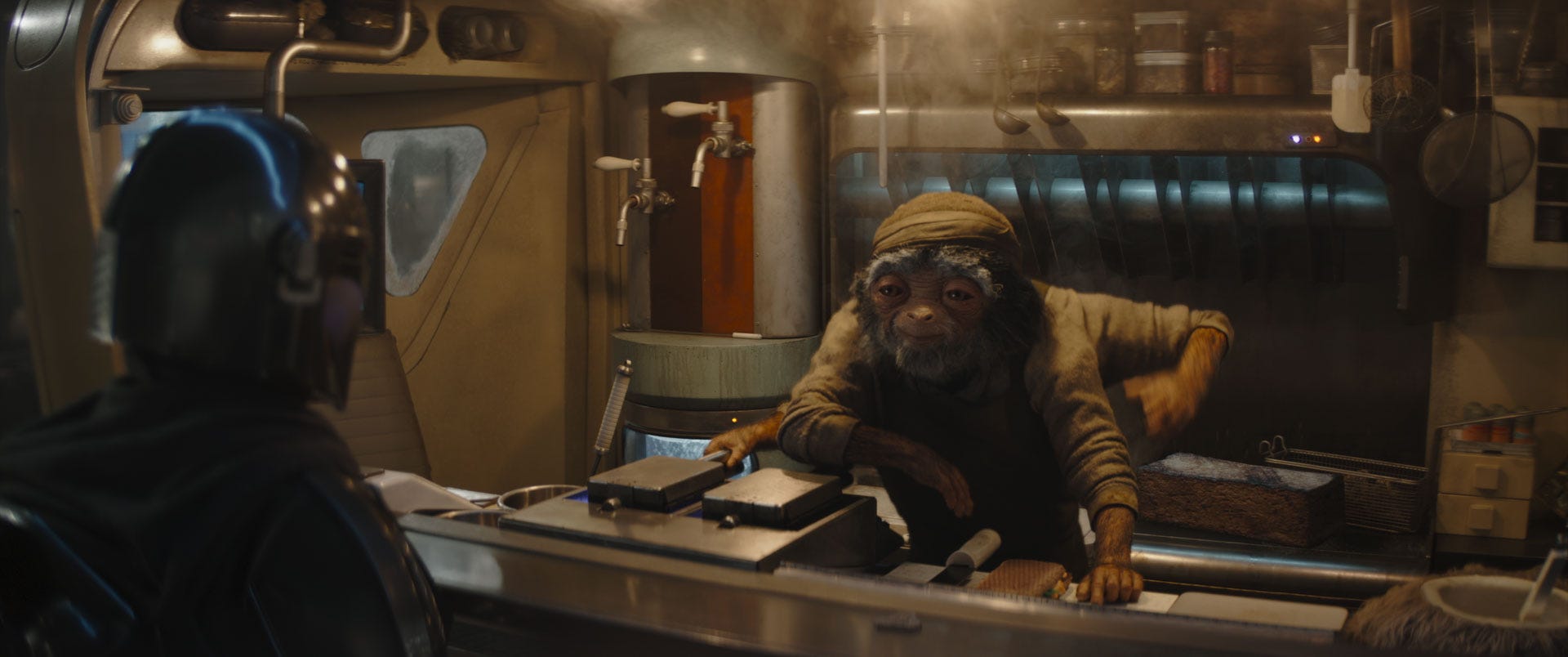
Martin Scorsese makes a fun appearance as an alien fry cook who provides Mando with crucial information. His character, named Hugo Durant, is an Ardennian, a species introduced in the 2018 film “Solo: A Star Wars Story.” In that movie, Han Solo met an Ardennian pilot named Rio Durant, voiced by Jon Favreau, who also directed “The Mandalorian and Grogu.”
Hugo Durant’s name is likely a nod to Scorsese’s 2011 film “Hugo,” which tells the story of a young boy who discovers a mechanical automaton. This connection adds an extra layer of meaning to the character, suggesting a familial link between Hugo and Rio Durant.
Sigourney Weaver’s Deck of Cards
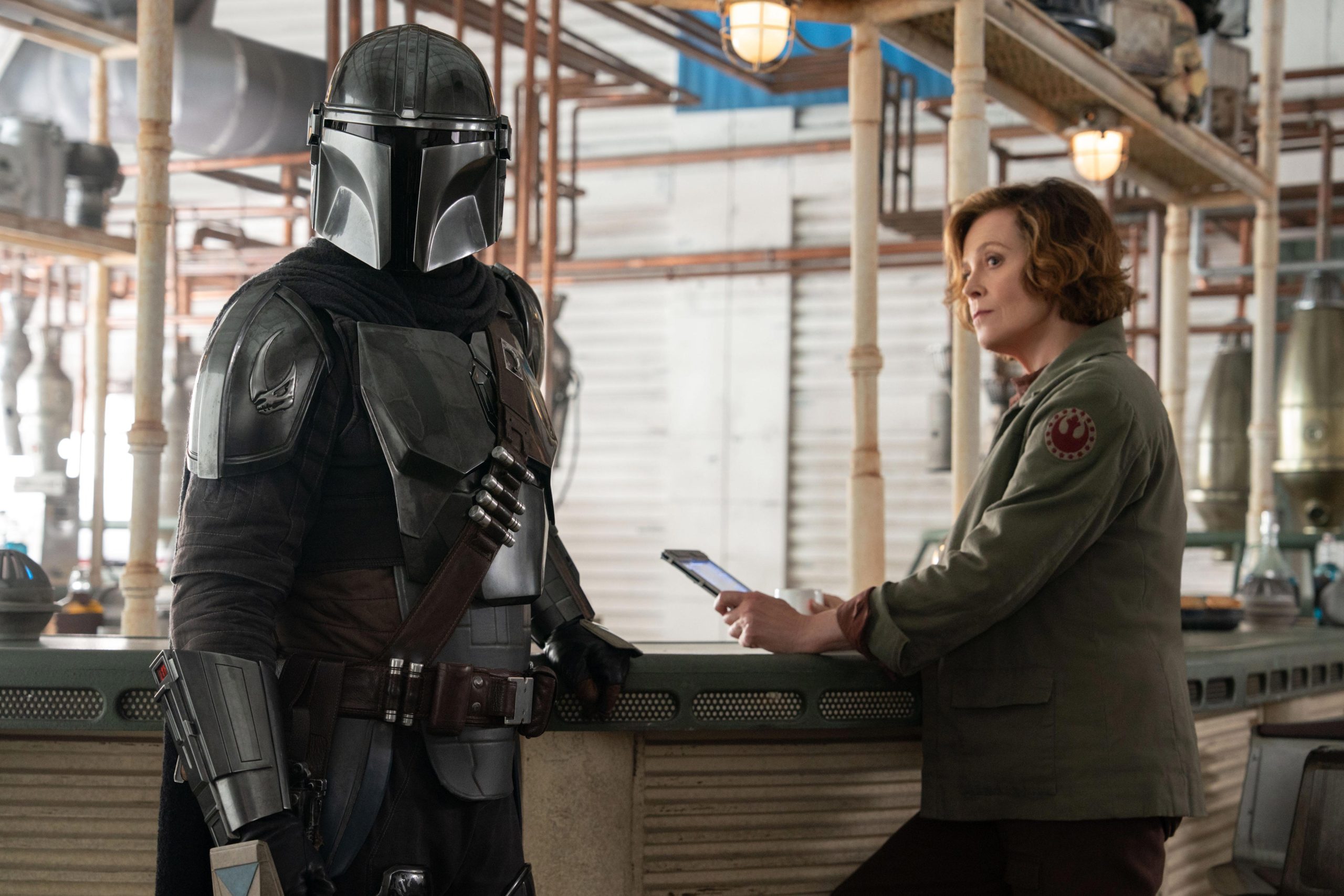
Sigourney Weaver plays Colonel Ward, a character who possesses a literal deck of cards featuring the names of Imperial warlords. These cards are based on sabacc, the card game Han Solo played in “The Empire Strikes Back” and “Solo: A Star Wars Story.” The New Republic adapted this deck to help identify and track down Imperial fugitives across the galaxy.
Each card features the last known image of a wanted Imperial fugitive, making them both a tool and a symbol of the New Republic’s efforts to bring justice to the galaxy.
A Classic ‘New Hope’ Prop Comes to Life
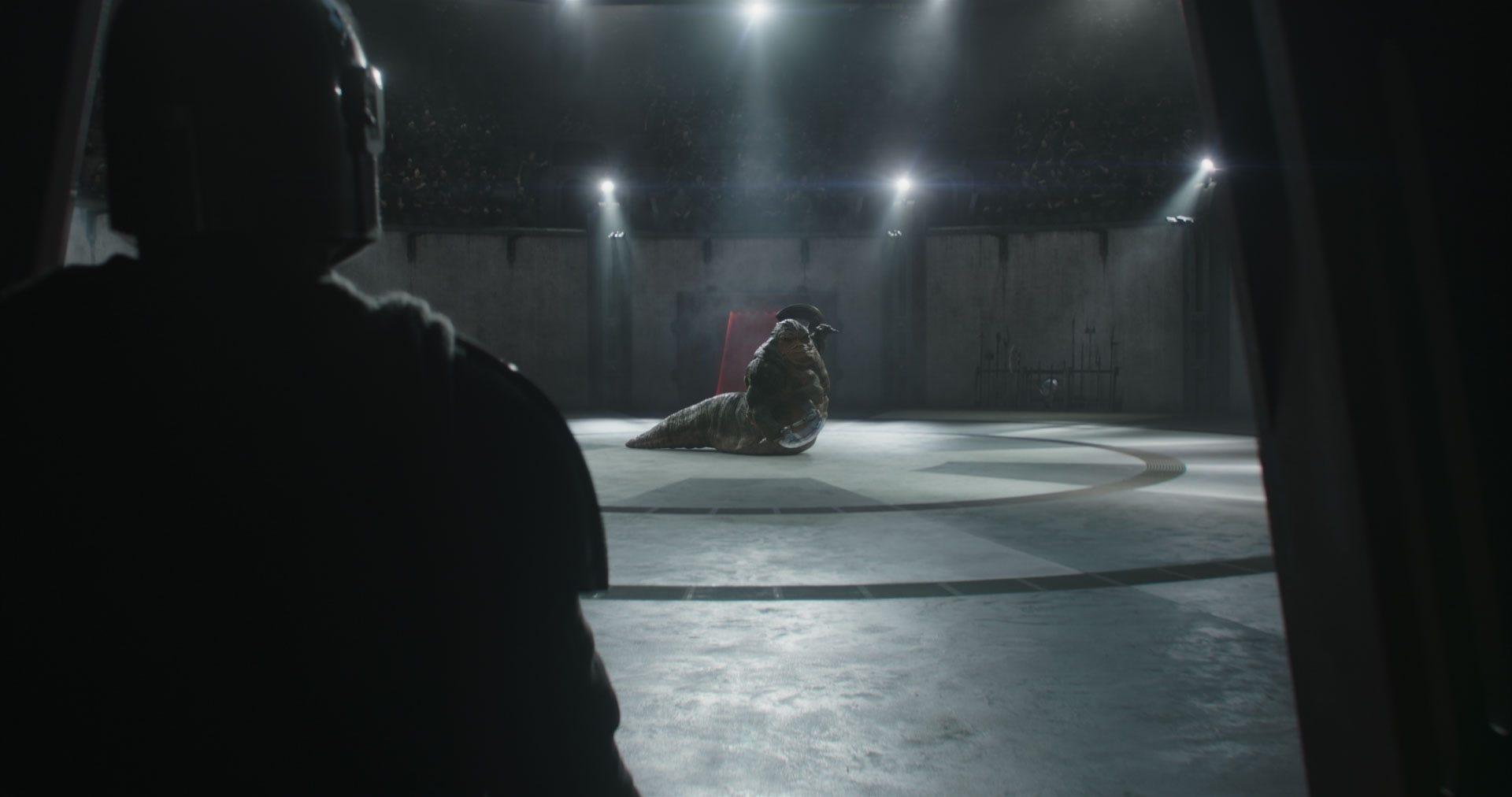
In one of the film’s fight sequences, Rotta the Hutt is forced to participate in a Dejarik match, a holographic game that was first seen in “A New Hope.” The game involves creatures being unleashed in an arena, and the design of the arena floor even resembles a Dejarik board.
This reference brings back a beloved element from the original trilogy, showing how the film pays homage to its roots while introducing new elements.
Rotta the Hutt’s Baby Photo
Rotta the Hutt has appeared in previous “Star Wars” media, notably in the 2008 animated film “Star Wars: The Clone Wars.” In that film, he was a baby, making him essentially “Baby Jabba” before the arrival of Baby Yoda.
In “The Mandalorian and Grogu,” when the Hutt twins show Mando a hologram of Rotta, it serves as both a joke about the outdated image and a nod to his previous appearance. The hologram is a faithful recreation of Rotta’s look from the “Clone Wars” movie.
Fan-Favorite Animated Characters Make the Jump to Live Action
Characters like Embo, the bounty hunter who captures Mando, and Zeb, the purple alien from the New Republic, have their origins in the animated series “The Clone Wars” and “Star Wars Rebels.” These characters bring a sense of continuity and familiarity to the live-action world.
Embo, for instance, was introduced in “The Clone Wars” and had a wolf-like pet, a trait he retains in the film. Zeb, on the other hand, was part of the rebel group in “Star Wars Rebels” and has now made the transition to live action.
A Prequel Alien Species Makes a Return
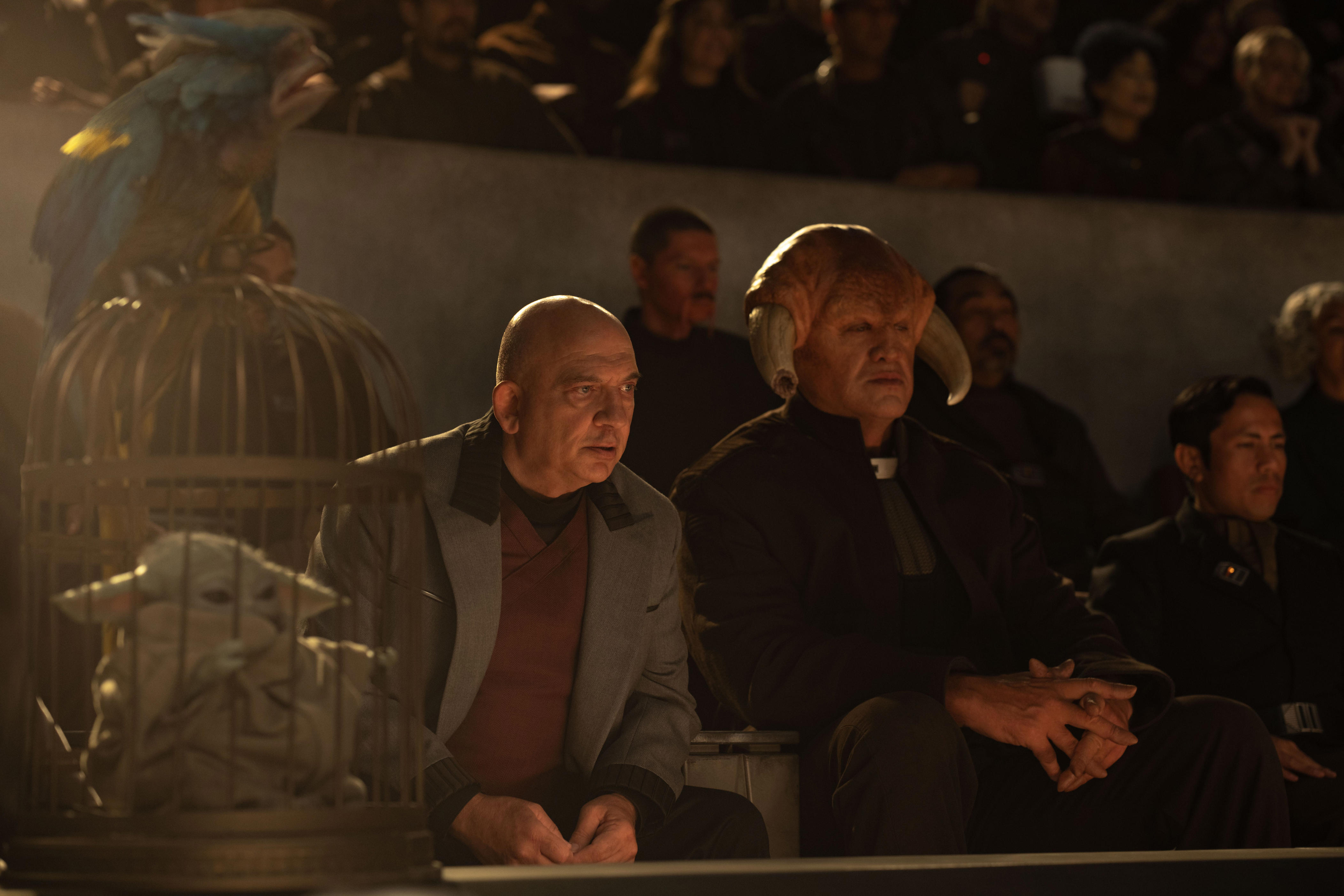
One of the most notable returns in the film is that of the Iktotchi species, represented by the character Hogsbreth. This species was first seen in “The Phantom Menace” in the form of Saesee Tiin, a member of the Jedi Council. Fans of the prequel trilogy will recognize this familiar face, adding another layer of nostalgia to the film.
Carl Weathers Gets a Touching Homage
During a sequence after the gladiator battle, a sign written in Aurebesh can be seen. Translating to English, it reads “Weathers Apollo,” a tribute to Carl Weathers. The actor, who played Apollo Creed in the “Rocky” movies, passed away in 2024 at the age of 76. This small but meaningful gesture honors his legacy and contributions to the “Star Wars” universe.