The State of Australian Football: A Call for Transparency and Reform
Australian football is at a crossroads, with growing concerns about its financial stability, governance, and the overall direction of the sport. As the Socceroos prepare for another World Cup campaign, the underlying issues within Football Australia continue to raise questions about the future of the game.
The current state of affairs has been described as a “financial and political mess,” with internal power struggles and mismanagement creating a climate of uncertainty. This week marks a pivotal moment for the sport, as Football Australia holds its Annual General Meeting (AGM) to address these pressing issues.
Financial Woes and Governance Challenges
At the heart of the problem are the financial losses that have plagued the organization. For 2025, the reported loss stands at $15 million, following a $8 million loss in 2024. These figures highlight the deep-seated challenges facing the sport, with staff benefit costs soaring by nearly $14 million and a debt from the A Leagues entity (APL) being written off at $9 million.
One of the most controversial aspects of the financial report involves the payment of over $800,000 to a company linked to a former board member, Jaclyn-Joyce Lee, for services related to the rollout of the new registration service, Play Football. This move has caused frustration among volunteers across the country, who feel their contributions are undervalued.
A Toxic Culture and Boardroom Drama
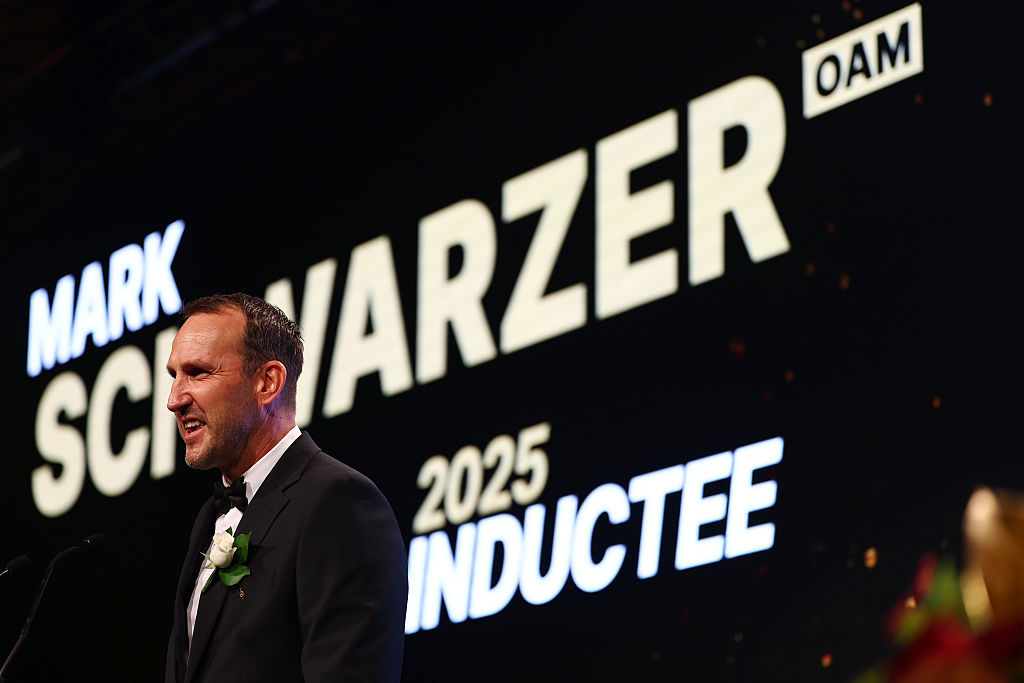
In addition to financial issues, reports suggest a toxic culture has been present at the head office for years. The AGM will also see a vote to bring in three new board members. However, the process has raised eyebrows, as only three contenders—nominated by A League clubs—are on the ballot. Three other nominees, including Socceroos legend Mark Schwarzer, have withdrawn.
Schwarzer’s withdrawal was reportedly due to a commercial conflict, which is a missed opportunity for the sport. His experience could have provided valuable insights into improving the governance structure.
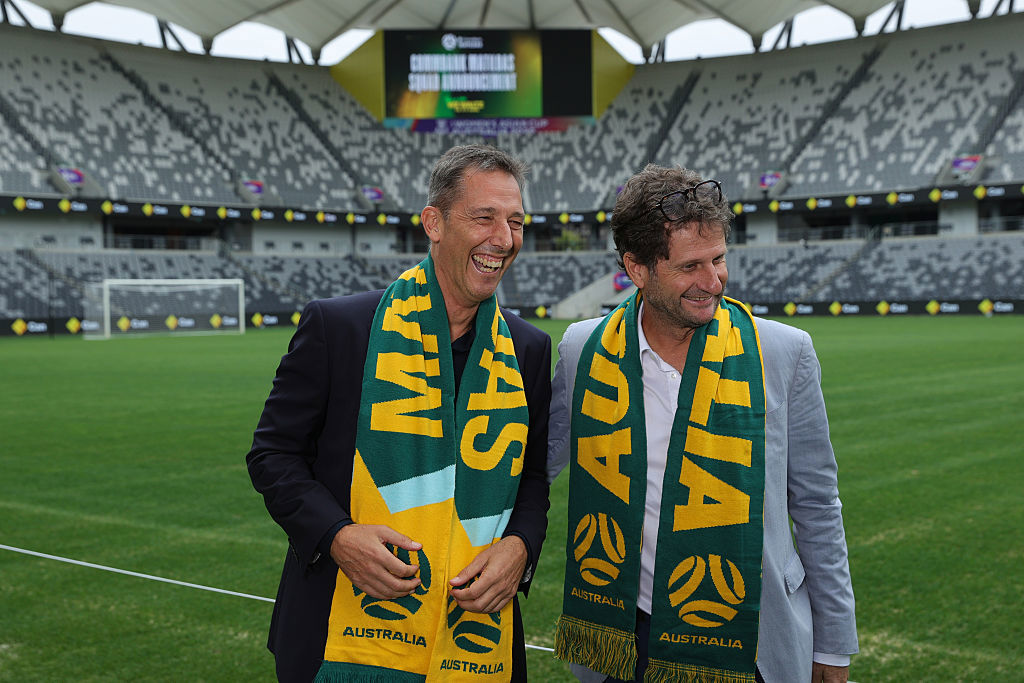
The dominance of A League clubs in the nomination process has sparked concerns about the potential for increased control over Football Australia. This shift could lead to a lack of diversity in decision-making, which may not be in the best interest of the broader football community.
The Need for Clarity and Accountability
There is a clear need for transparency and accountability within Football Australia. Members of the media will be allowed to attend the AGM this year, which is a positive step toward openness. However, the organization must ensure that all non-confidential information is shared publicly post-meeting.
The Socceroos and Matildas rely on strong A League competitions to develop players for the international stage. However, the current structure may not be conducive to this goal. There are ongoing disputes between NPL clubs and A League clubs regarding training compensation, which can lead to tensions and a lack of cooperation.
A New Leadership Approach
Anter Isaac, the Chairman of Football Australia since 2023, has been tasked with steering the organization through these challenges. Alongside him is Martin Kuegeler, the new CEO, who is expected to clean up the mess and restore confidence in the sport.
Kuegeler is known for his integrity, clear thinking, and calm demeanor. While there is no guarantee he will succeed, his appointment is a step in the right direction.
Grassroots and the Future of Football
Despite the challenges, the grassroots level of football remains a vital part of the sport. Volunteers and underpaid staff work tirelessly to ensure that matches run smoothly and that the spirit of the game is maintained.
As the weekend approaches, the focus will shift back to the joy of the game. Coaches will coach, players will play, and fans will gather to watch the Socceroos and enjoy the best of Australian football.
Every player, coach, and volunteer deserves a fair chance to contribute to the sport they love. It is time for Football Australia to address the issues head-on and work towards a more transparent and inclusive future.