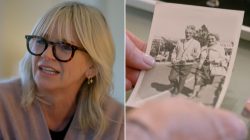
The Impact of Unexpected DNA Test Results
It’s estimated that up to 40 million people have taken online ancestry DNA tests to learn more about their family history and cultural identity. These tests are often given as gifts or purchased “as a bit of fun,” which means people aren’t always prepared for the shock of uncovering a family secret or discovering unexpected parents, siblings, and other relatives.
Michelle Blanchard, CEO of VANISH, a Victorian-based not-for-profit organisation providing support to adults affected by past adoption practices, as well as donor conceived individuals, explains the emotional impact of such discoveries.
“It’s something … that can be absolutely life changing, in that it really disrupts a person’s sense of who they are at their very being,” she says. “We often say the DNA doesn’t lie, but for some people it is a finding that is so outside of what they thought was possible, that can sometimes be hard to accept.”
Knowing where to turn for support and the steps you can take to make sense of what you have uncovered can help.
Intense and Conflicting Emotions
Making an unexpected discovery through DNA testing can lead to shock, disbelief, confusion, or even numbness, according to Zena Burgess, CEO of the Australian Psychological Society.
“Especially if the results challenge long-held assumptions about identity, family history or upbringing,” Dr Burgess says. “A central finding across the literature is that unexpected DNA discoveries can destabilise identity and disrupt an individual’s life narrative.”
“It is normal to also experience feelings of grief, anger, betrayal, sadness and curiosity.” Dr Burgess notes that some people experience positive outcomes, such as relief at finally understanding family dynamics, and excitement about relationships with newly discovered relatives.
“Discovery can be traumatic, positive, or both simultaneously.” And your response to this new information may also shift over time, she says.
Tell Someone You Trust
DNA test results can be the beginning of a journey that is often not straightforward and at times incredibly difficult, says Ms Blanchard. “These journeys can uncover a whole range of information you may not have been expecting.”
She says having someone walk alongside you is important. “I would really encourage people to make sure they have a good support network around them. Let someone important in your life know what is going on.”
How to Find Out More Information
Depending on what you have discovered, there are a number of services you can reach out to. “If it’s very clear in the DNA result that the people that raised the person are not their biological family, it is possible that an adoption has occurred,” says Ms Blanchard.
“People can apply to state government adoption information services in each state and territory for information.” Ms Blanchard says that is a good first step for people to try and “piece together what they can.”
“When you apply, you can generally receive a copy of an original birth certificate, which at a minimum would show the identity of your mother.” The adoption order made by the court usually includes a file of social information, Ms Blanchard says. “It might have a little bit of information about the circumstances of the adoption.”
From there, you can reach out to post-adoption support services in your state or territory. For example:
- VANISH in Victoria
- Jigsaw in Queensland
“These organisations have decades of experience in supporting people who are interested in searching for and reconnecting with family members,” Ms Blanchard says. “Reunion is seldom what we need on the TV or in movies. There is the side of it that is about detective work and making sense of who the members of your family are, the other part is understanding the context of forced adoption, in particular, and the shame and stigma that many mothers and some fathers carried with them throughout life.”
Such services can also support people who are donor conceived, as well as other organisations like Donor Conceived Australia and VARTA. In Victoria, NSW and WA there are central sperm donor registries. A registry for Queensland is in the process of being established. In all other states and territories, each fertility clinic keeps these details. But navigating historical donor records can depend on where and when the treatment took place, says Ms Blanchard.
“The initial donor conception programs were created on the basis of anonymity … that’s all changed now because legislation supports a person’s right to know who they are. But unfortunately, there are many cases where the records are not as complete as we would like them to be, and some cases where records have been destroyed, damaged or falsified.”
For some people, there may be questions that will remain unanswered. Especially when parents or relatives are no longer alive.
Professional Support
Many people searching for family members choose to work with volunteer researchers, often known as Search Angels. Ms Blanchard says people should understand what engaging a Search Angel could entail. She also encourages people to be careful when sharing personal information online — or that of others — when searching for family via platforms such as social media.
Dr Burgess says seeking support from a psychologist can provide a safe space to process complex feelings around identity and family relationships. Services such as VANISH can also connect people with counselling and peer support.
Jane Tiller, an ethical, legal and social adviser in public health genomics at Monash University, says people who uncover health information via their results should speak to their GP. “People want to know about health risks and … are desperate for preventative information.” She says “GPs have a very broad range of comfort and knowledge around genetics” so you may need to get a referral.
Tips for Talking to Family
Speaking with parents or family members about why information was kept from you can be incredibly difficult, says Dr Burgess. “Understanding betrayal trauma — where secrecy itself, not just the biological revelation — becomes the core psychological issue.”
Dr Burgess says it can be helpful to approach the discussion using ‘I’ statements, expressing how the discovery has made you feel such as: “I feel confused” or “I’m trying to understand”, rather than immediately placing blame. “It is important to remember that these kinds of secrets are often tied to fear, shame, trauma, cultural pressures or a desire to protect others.”
“Take time to listen to the other person’s perspective and try to understand the situation from their viewpoint” while not dismissing your own feelings, she says. Ms Blanchard says to approach conversations from a place of curiosity. “On the part of adoptive parents [or parents who used donor sperm], there might be sensitivities like difficulty conceiving they may still be carrying with them, a sense of shame, or stigma.”
Ms Blanchard says whatever path you take after an unexpected ancestry DNA test result, take your time. “These are really big discoveries to make, and they can have an enormous impact on your life. While lots of people have a real sense of urgency to try and find out exactly who their family are — and that is completely understandable — it’s also really important to move at a pace that feels supportive and right for you.”