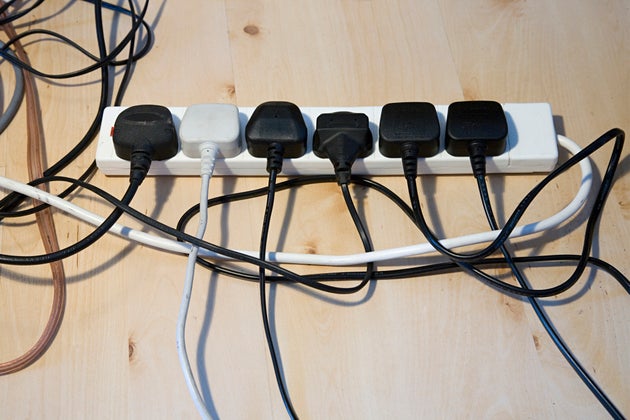
Understanding the Risks of Using Extension Leads for High-Wattage Appliances
It’s easy to assume that most electrical devices can be safely connected through an extension lead. However, safety experts warn that this isn’t always the case. Some household appliances can draw more power than a standard extension lead is designed to handle, potentially leading to serious fire hazards.
In the UK alone, it’s estimated that around 7,000 house fires occur each year due to faulty electrics, appliances, wiring, and overloaded sockets. This highlights the importance of being aware of which devices should never be plugged into an extension lead.
The Most Dangerous Appliances to Use with Extension Leads
According to The LED Specialist, certain appliances are particularly risky when used with extension leads. These include:
- Kettles: These devices typically draw around 3,000 watts of power.
- Electric heaters: These can match or even exceed the wattage of kettles.
- Toasters: They usually pull between 800 and 1,500 watts.
The issue stems from the high wattage these appliances require. When multiple high-wattage devices are connected to a single extension lead at the same time, the combined load can quickly surpass what the lead is capable of handling.
In April, Lancashire Fire and Rescue Service shared a warning on social media about an incident where an electric heater had been plugged into an extension lead, causing it to overheat. Fortunately, the issue was identified before a fire could start. The service emphasized that extension leads are not safe for high-powered items such as heaters, electric fires, or large kitchen appliances.
This advice also applies to other major household appliances like washing machines and tumble dryers. Plugging these into an extension lead is not recommended and can pose a significant risk.
The Importance of Checking Your Extension Lead
Another key factor to consider is whether the extension lead you’re using is safe. Experts advise checking for essential safety features, such as proper markings and built-in fuses. In the UK, extension leads must be CE marked to ensure they meet safety standards.
BEAMA, the trade association for energy infrastructure and systems, states that any extension lead without the appropriate markings may not be compliant and could fail to cut off power before overheating. This can lead to dangerous situations.
When inspecting an extension lead, look for:
- No imperfections in the plastic mouldings
- No rattling when shaken
- No signs of damage to the cable or plug
- A cable length that matches the advertised specification
Oliver Nichols from The LED Specialist explains: “People often don’t realize how much current these devices pull, and when you combine more than one on a single lead, you’re creating a real fire risk.”
What You Can Do to Stay Safe
If you find yourself relying heavily on extension leads throughout your home, it might be worth consulting a qualified electrician to install additional sockets. This can reduce the need for extension leads and help prevent potential hazards.
Additional Safety Tips
While extension leads can be useful, they should never be used as a long-term solution for powering high-wattage appliances. Always plug these devices directly into a wall socket whenever possible.
Regularly inspect your extension leads for signs of wear or damage. If you notice any issues, replace them immediately. By taking these precautions, you can significantly reduce the risk of electrical fires and keep your home safer.