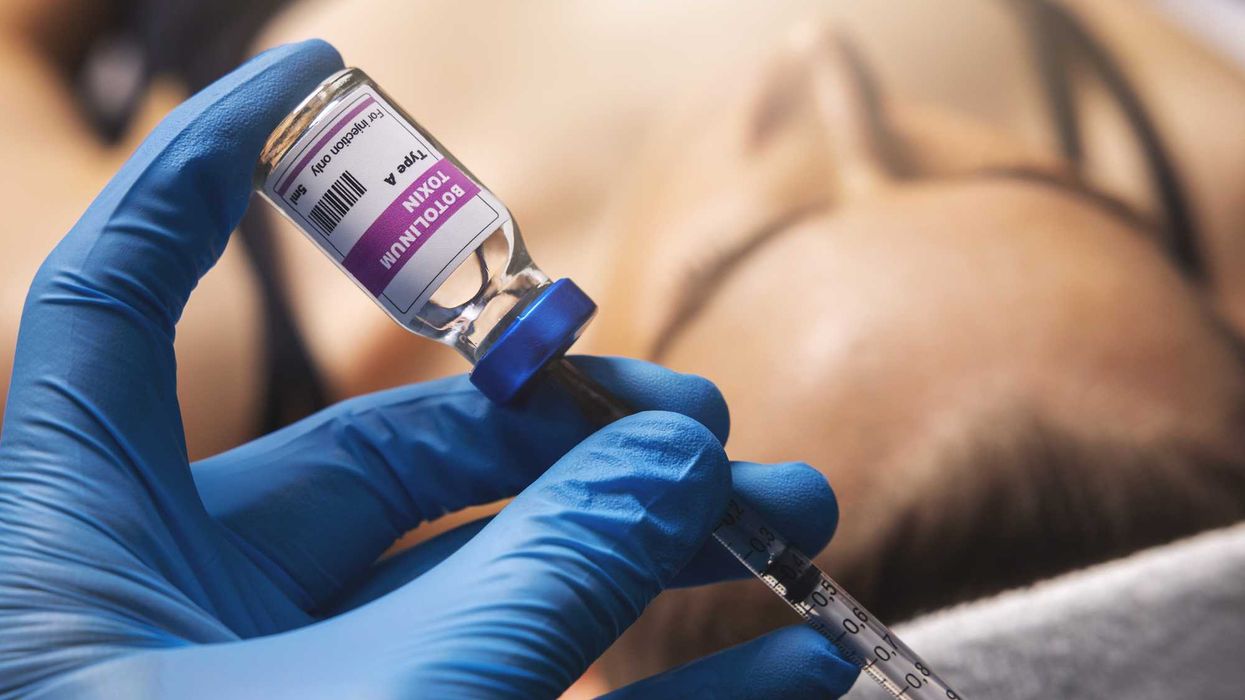
The Link Between Facial Expressions and Emotions
The way we look can have a surprising impact on how we feel. While it’s common knowledge that our environment influences our emotions, researchers are now exploring whether our facial expressions might also play a role in shaping our emotional experiences.
This idea is rooted in the facial feedback hypothesis, which suggests that our facial expressions don’t just reflect our emotions—they can actually influence them. For example, if you frown for an extended period, you may end up feeling more down than you did before, even if there’s no clear reason to feel that way.
Botox and Emotional Well-being
With this in mind, some scientists are considering whether aesthetic treatments like Botox could have a broader impact on mental health. By altering facial expressions, these treatments might help individuals feel happier—not just because they look younger or smoother, but because their ability to express negative emotions is reduced.
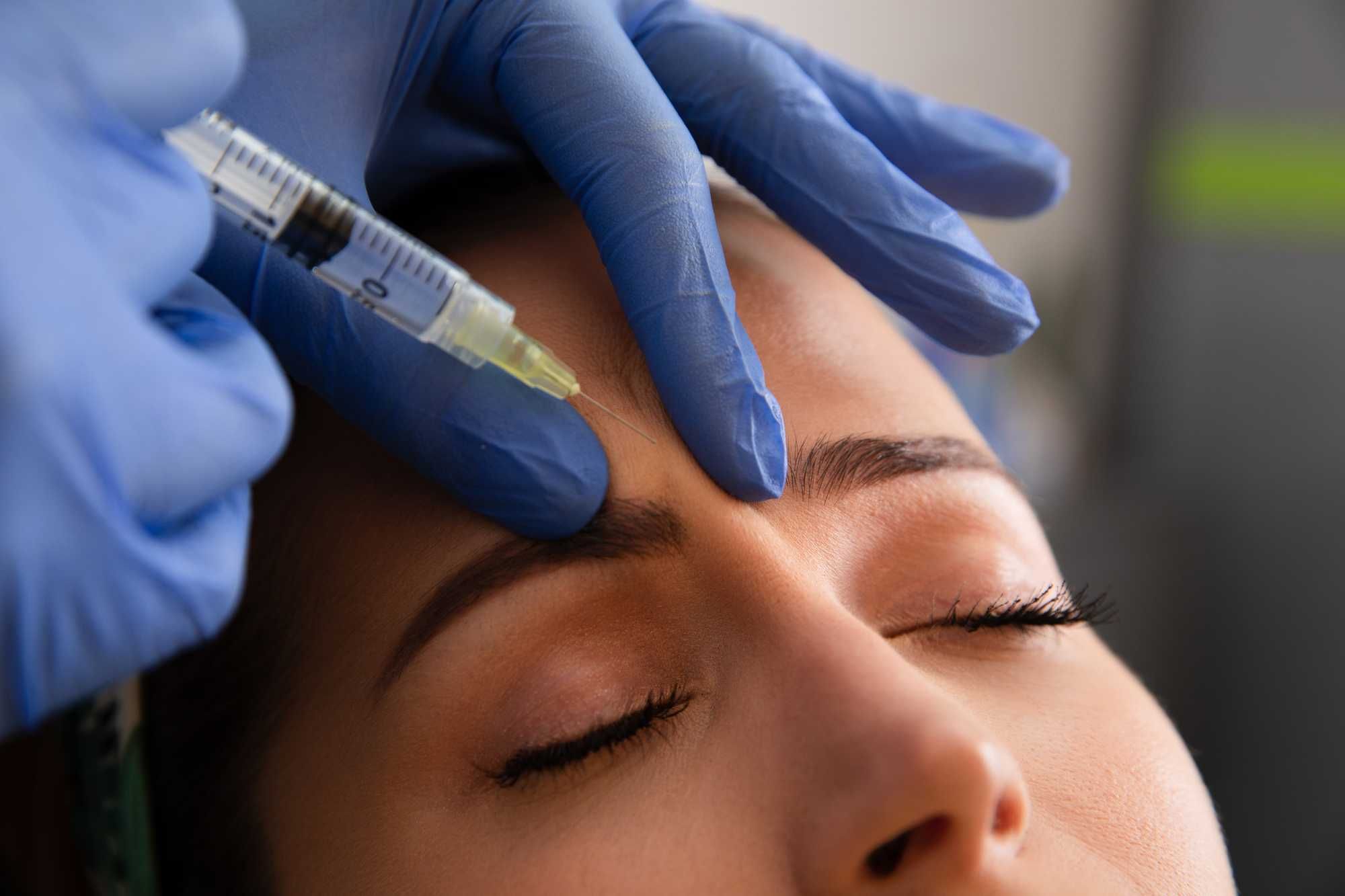
The glabellar region of the face, located above the nose between the eyebrows, contains muscles responsible for frowning, anger, and sadness. This area has been historically associated with negative emotions and was even referred to by Charles Darwin as “grief muscles.” It’s also one of the most commonly treated areas with Botox, as lines in this region tend to become more pronounced with age.
Botox as a Potential Treatment for Depression
Researchers are now investigating whether Botox could be used as a treatment for depression. In one study, 10 middle-aged women with moderate to severe depression received Botox injections, and their depression scores improved significantly within eight weeks. Another double-blind, placebo-controlled study involved 30 patients with mild-to-moderate, treatment-resistant depression. Those who received Botox showed significant improvement in symptoms, while those given a placebo remained unchanged.
The findings suggest that reducing the ability to physically express negative emotions—such as frowning—might help individuals feel less sad or depressed over time. However, this isn’t the only medical use of Botox. It is also widely used to treat conditions like jaw-grinding and migraines, where muscle relaxation provides relief.

Concerns About Emotional Expression
Despite its potential benefits, some experts warn that Botox could have unintended consequences. By reducing the ability to express emotions, it may make people less empathetic. This raises questions about the long-term effects of altering natural facial expressions.
Some people have shared personal experiences with Botox, highlighting both positive and negative outcomes. One person noted, “If you look good, you feel good,” while another shared how Botox helped their adult daughter with autism experience fewer meltdowns and improved mood.
“I, someone with Botox, can confirm I am much happier with a smooth forehead than without one,” another individual joked.
A New Perspective on Emotional Health
While Botox may not be a cure-all, its potential to influence emotional well-being is an intriguing area of research. As scientists continue to explore the connection between facial expressions and emotions, it’s clear that our faces may hold more power over our feelings than we previously thought.
The contents of this article are not intended as medical advice.