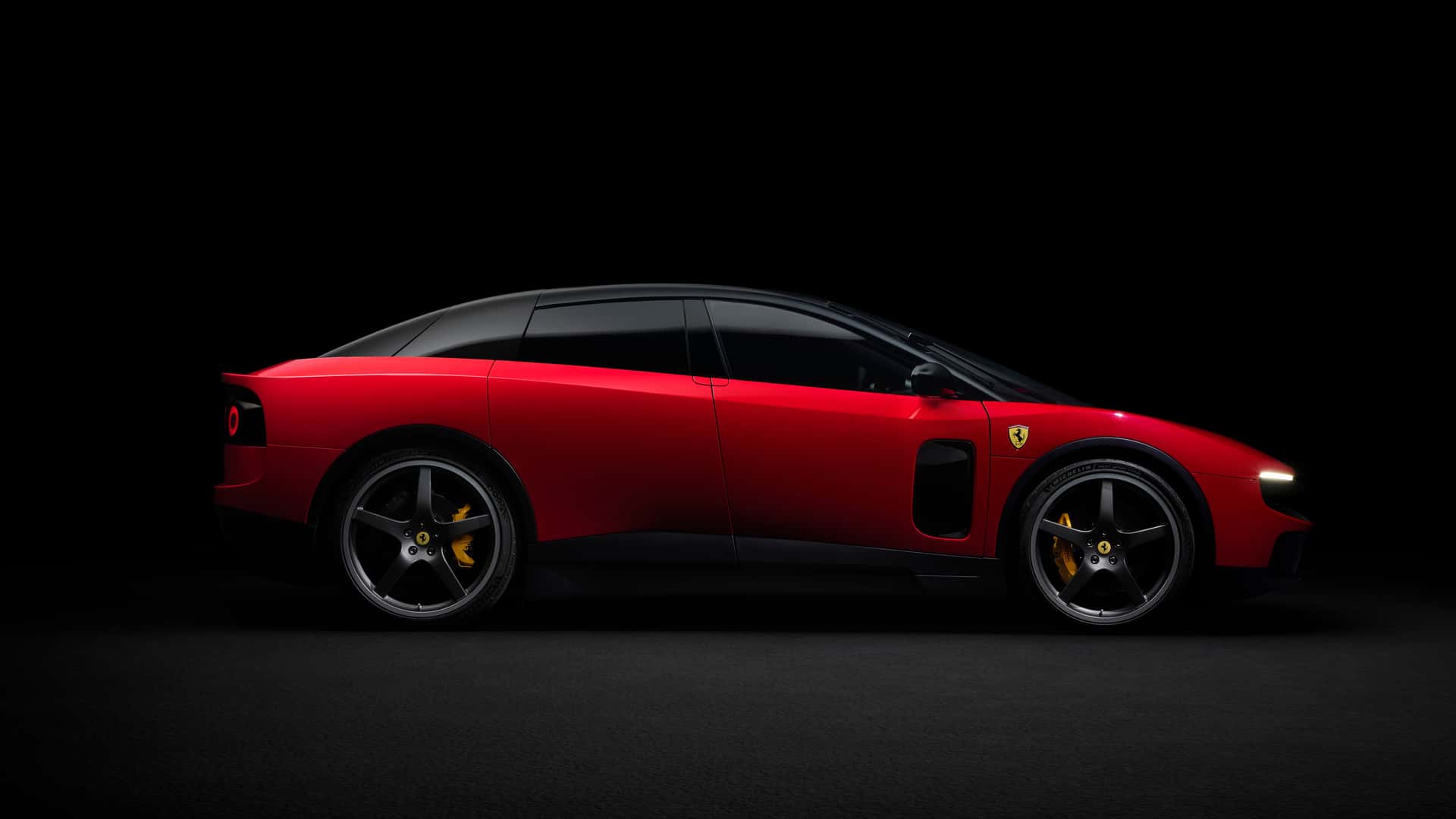
A New Era for Ferrari: The Luce and the Shift in Design Philosophy
Ferrari has always been synonymous with high-performance, low-slung supercars that command attention on the road. However, the introduction of the Luce marks a significant departure from this tradition. Unlike previous models, the Luce is not just an electric vehicle—it’s a bold reimagining of what a Ferrari can be. This new model has sparked immediate and intense reactions, many of which are negative. But why?
The Luce was not expected to look like a typical Ferrari. When its interior was first revealed, it had a design reminiscent of the minimalist aesthetics seen in Apple products, which initially drew mixed responses. However, the exterior design has been even more controversial. It lacks the aggressive, sporty lines that many associate with the Prancing Horse brand. Instead, it features a more restrained and subdued appearance, which has left some questioning whether it truly represents the essence of Ferrari.
The Influence of Jony Ive and Marc Newson
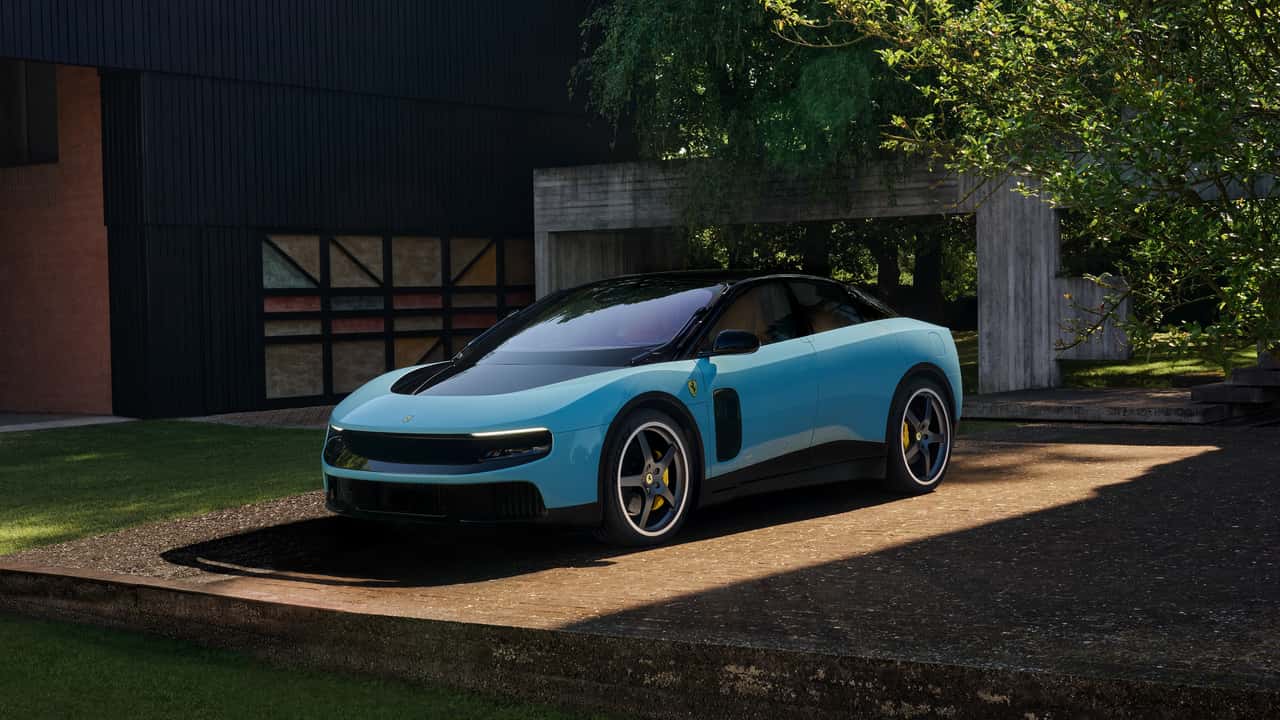
One of the key reasons behind the Luce’s unique design is the involvement of Jony Ive and Marc Newson’s LoveFrom. Jony Ive, known for his work at Apple, brought a design philosophy centered around clean surfaces, minimal ornamentation, and a sense of completeness without being flashy. Marc Newson, a designer with a background in consumer products rather than cars, also contributed to the Luce’s aesthetic.
This collaboration has resulted in a vehicle that feels more like a high-end gadget than a traditional sports car. From a top-down view, the Luce starts to make more sense, as it appears more like a designed object rather than a conventional Ferrari. However, this approach has led to criticism, as many feel it lacks the visual drama that Ferrari is known for.
A Divisive Design Shift
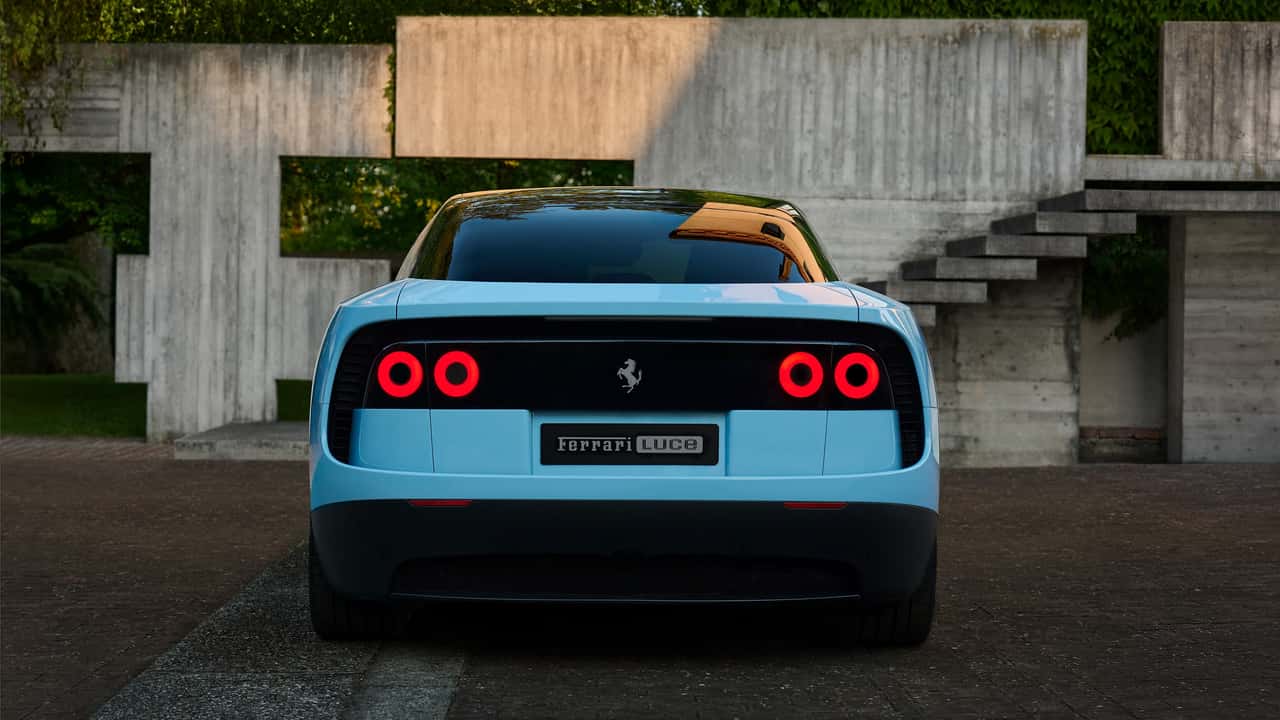
Ferrari’s design philosophy has evolved over the years, moving away from collaborations with Pininfarina and embracing more in-house design work. While this shift hasn’t necessarily led to unattractive cars, it has made modern Ferraris less obviously romantic compared to their predecessors. The Luce, however, has received more one-sided criticism than any other recent model.
Despite the negative reactions, it’s important to consider that Ferrari is well aware of the power of its brand. The decision to create such a restrained design must have been backed by market research and positive feedback from potential buyers. The company likely anticipated some level of controversy but may not have expected such widespread dislike.
Proportions and Expectations
The proportions of the Luce have also been a point of contention. Many believe it should have had a larger front section and a longer hood, similar to traditional luxury cars. Instead, it resembles something more akin to a compact sedan, which has led to comparisons with vehicles like the Nissan Leaf. In contrast, the Mercedes-AMG electric 4-Door and the Jaguar Type 00 Concept have managed to balance innovation with traditional proportions, which has helped them gain more acceptance.
The Target Market for the Luce
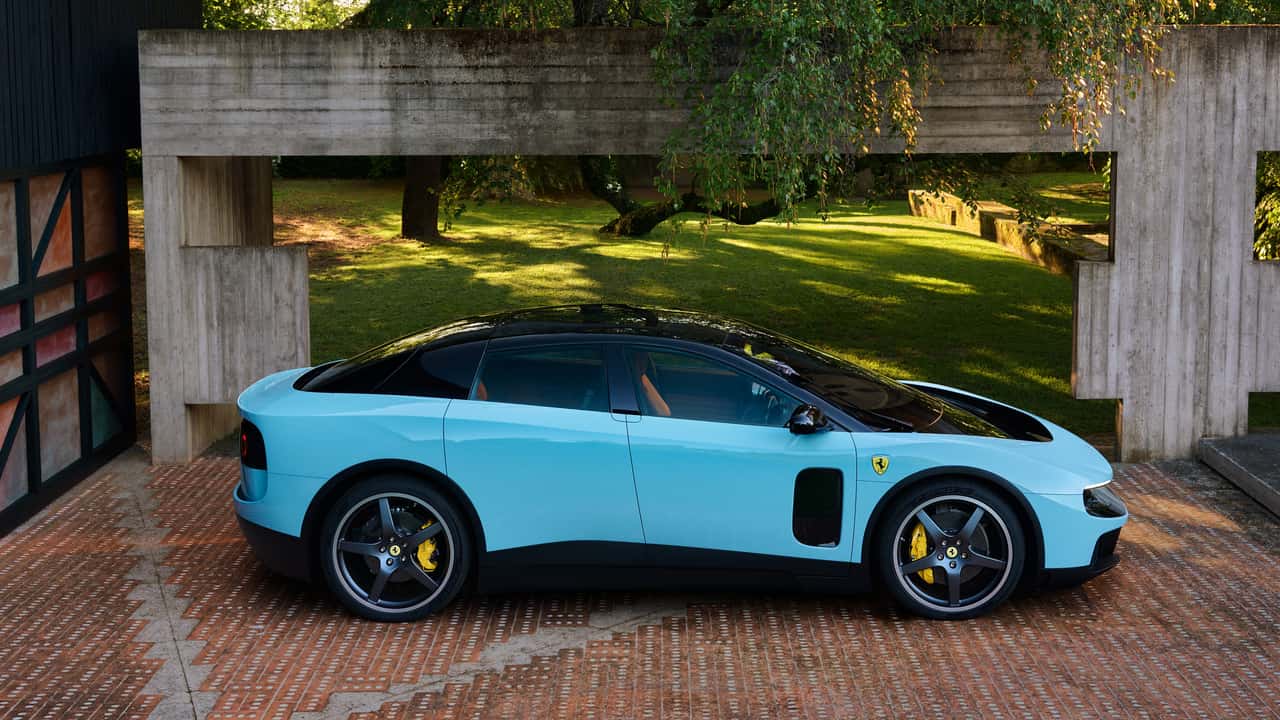
The Luce is not intended to replace existing Ferrari models like the 296, 812, or Purosangue. Instead, it targets affluent individuals who already own multiple Ferraris and are looking for a quiet, tech-forward family car that still carries the iconic Ferrari badge. This niche market may not be the same as the traditional Ferrari customer base, but it reflects a shift in the brand’s strategy.
While the initial market reaction has been mixed, with shares dropping following the Luce’s reveal, it’s important to note that online outrage does not always translate to buyer rejection. The success of the Luce will ultimately depend on how well it resonates with its target audience.
Balancing Electrification and Brand Identity
Ferrari faces a unique challenge in balancing electrification with its heritage and brand identity. Luxury automakers cannot simply follow the mass-market EV playbook; they must find a way to integrate electrification while maintaining their exclusivity and appeal. The Luce may not be the electric supercar enthusiasts hoped for, but it could be exactly what Ferrari needs to navigate this new era.
In conclusion, the Luce represents a bold step for Ferrari into the world of electric vehicles. While it has faced criticism for its design and proportions, it also offers a glimpse into the future of the brand. Whether it will succeed remains to be seen, but one thing is clear: Ferrari is not afraid to take risks in its pursuit of innovation.