The End of an Internet Blackout in Iran
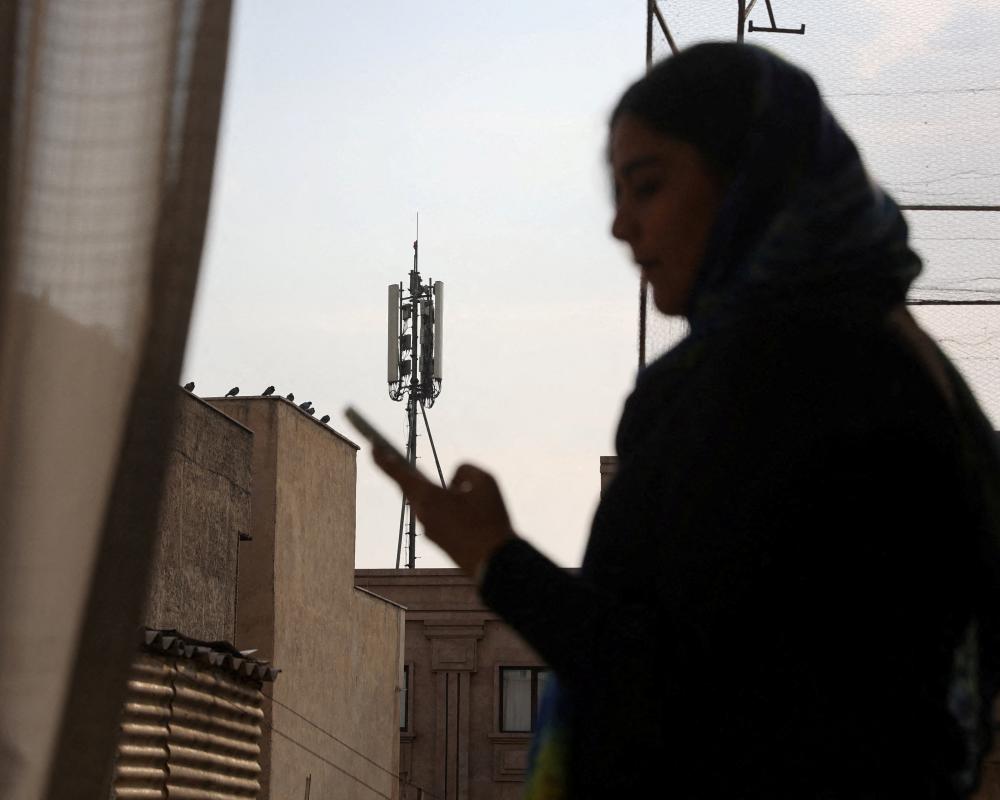
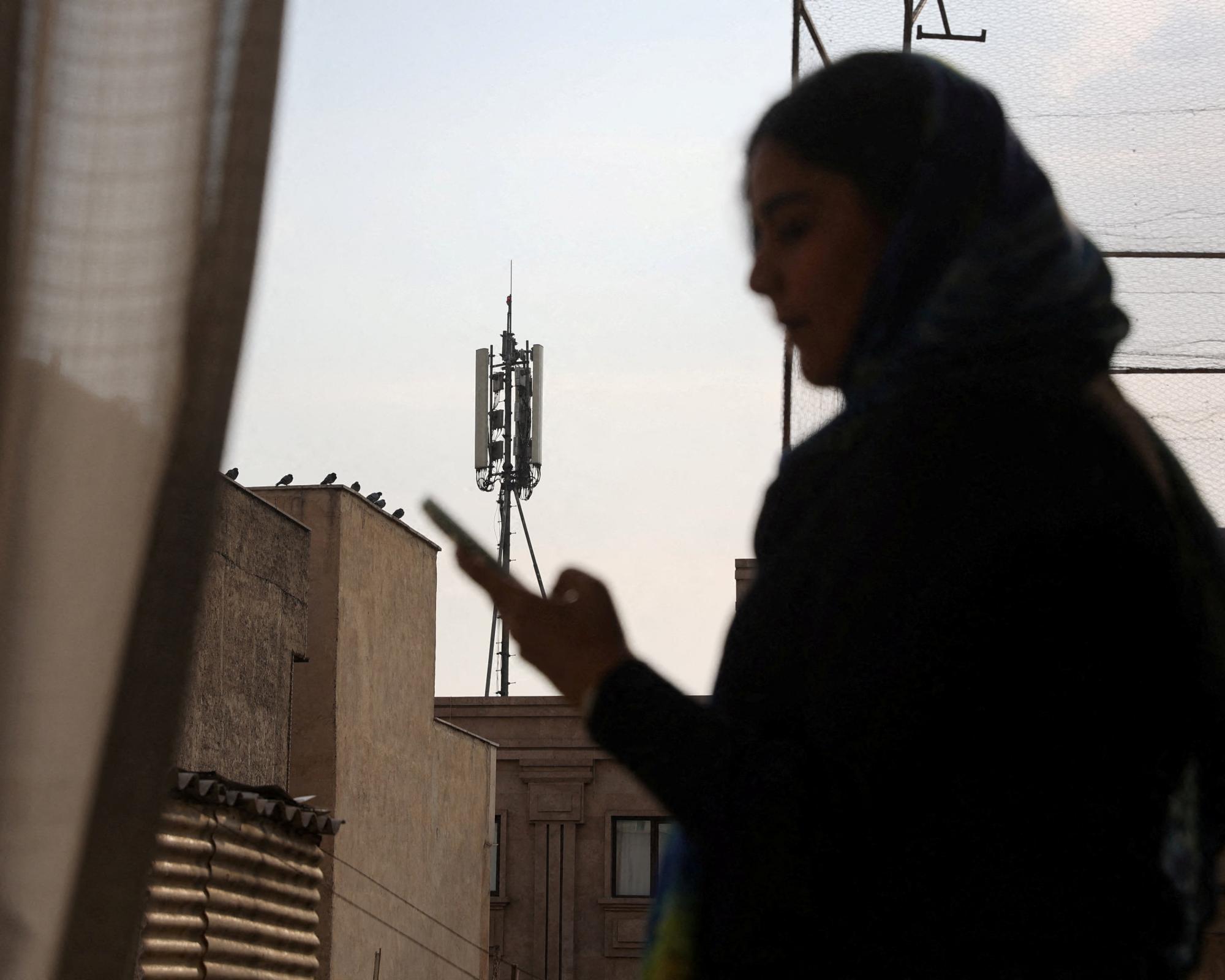
After 88 days of restricted internet access, Iran has begun to see a gradual return to normalcy online. This significant development marks the end of one of the longest internet blackouts ever recorded, with the country being completely cut off from the global internet for 2,093 hours. The resumption of internet services came despite some legal challenges, as an interim administrative court questioned the authority of the body responsible for overseeing the process.
The restoration started around 3:30 pm local time on Tuesday, with internet access returning to more than a third of its usual levels. NetBlocks, an organization that monitors web traffic, reported this partial recovery. Iranian officials pointed to the return of Gmail as a key indicator that changes were being implemented.
Digital rights activists and internet monitors noted a small increase in traffic to Iran starting around 1 pm BST. Multiple internet service providers allowed users to connect, including residential fibre networks in Tehran and some mobile providers. However, IranCell was only briefly connected. According to data from Kentik, an internet analysis company based in the US, Iran’s internet access was still less than 10% of pre-shutdown levels. Doug Madory, an expert at Kentik, described the restoration as “selective.”
An Iranian researcher in exile mentioned that he could now connect to a server in Iran for the first time since the blackout began. However, he emphasized that “very little” had been restored and that it would take time to fully assess how connected Iran really was.
Economic Impact and Political Motivations
The prolonged internet shutdown led to fears of mass unemployment and commercial bankruptcy. President Masoud Pezeshkian, who campaigned on a promise of a free internet, worked behind the scenes with security officials to lift the restrictions. A formal announcement followed after a vote by the special taskforce for cyberspace management.
Iran’s communications minister, Sattar Hashemi, welcomed the government’s decision to end the blackout but stressed that restoring the internet would be a gradual process. He highlighted the damage caused by the restrictions, which affected the digital economy, online businesses, and service industries. Hashemi warned that continuing the situation could lead to weakened investment, the emigration of elite human resources, and the expansion of communication patterns outside the framework of the country’s official governance.
Security officials had previously resisted a return to normal internet access, fearing that free communication with the West might spark more protests. Iranian officials often blame satellite channels and social media content for spreading anti-government propaganda, but many Iranians believe the internet crackdown was aimed at concealing a broader suppression of protests, including a series of judicial executions.
Human Rights Concerns and Economic Crisis
Amnesty International reported that Iranian authorities have arbitrarily executed at least 36 individuals convicted of politically motivated charges. At least 78 protesters, dissidents, and others with links to banned opposition groups are under death sentences and face the risk of execution.
It is estimated that up to 5 million jobs in Iran depend on the internet, and the blackout has worsened an already dire economic crisis and high inflation. The cost of food has risen sharply, making staples like chicken unaffordable for many families. Female workers, particularly in rural areas, have been disproportionately affected by the internet shutdown.
In response to the growing demand for internet restoration, the national security council approved a plan called Internet Pro, which grants certain groups limited paid internet access. However, the daily usage limits on foreign websites and international data traffic made the cost prohibitive for many young people.
Continued Restrictions and Workarounds
Although platforms such as Instagram, X, and YouTube remain officially blocked in Iran, they are commonly accessed through virtual private networks (VPNs). Despite the restrictions, the Iranian political class frequently uses X, even though it is nominally unlawful. There is also a thriving market for anti-filtering devices in Iran.
Ongoing Challenges
The internet blackout began during the January economic and political protests, but the national security council intensified the restriction when the US and Israel launched attacks on 28 February. Iran imposes severe penalties on anyone found sharing information or images with satellite channels like Iran International.
The impact of the blackout has been far-reaching, affecting not only individual users but also businesses and the broader economy. A survey by the Tehran Electronics Association found that over 900 companies lost access to 75% of their communication channels due to the shutdown. More than 223,000 people applied for government insurance since the start of the war, reflecting the scale of job losses.
Additional reporting by Aisha Down