A Silent Film That Redefined Psychological Horror Comedy
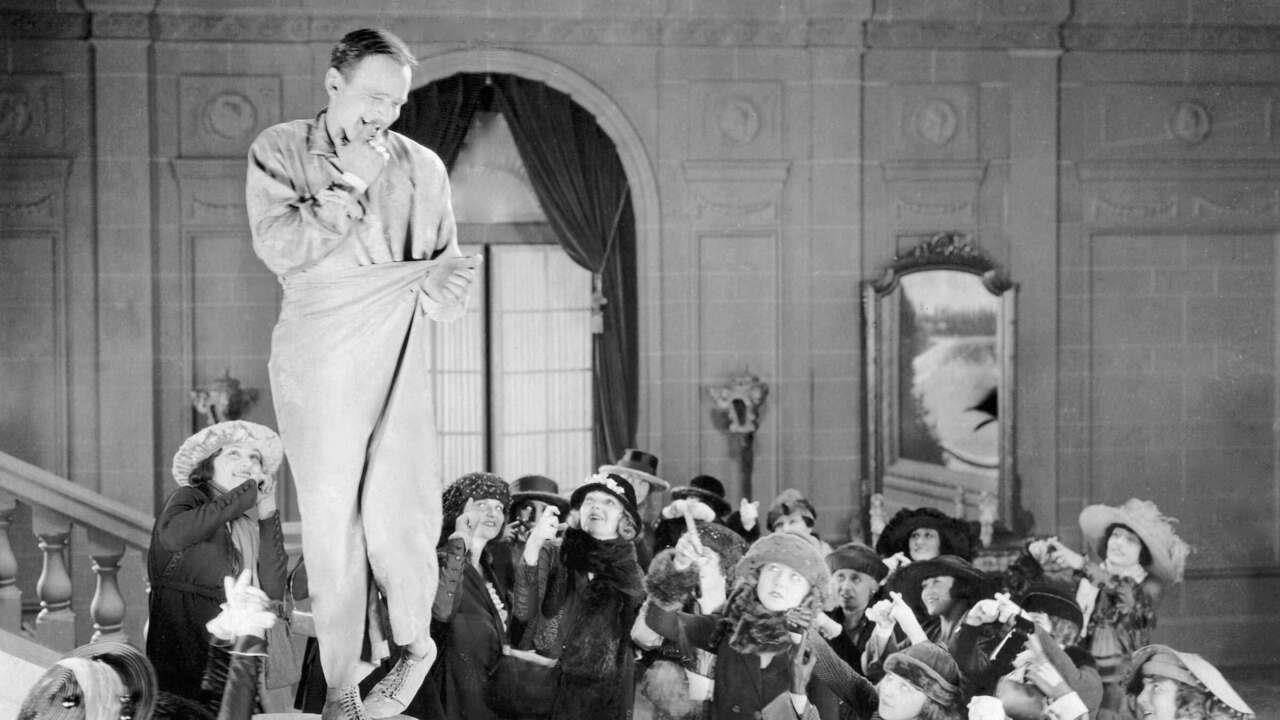
Before the era of musicals and color films, there were silent movies. These monochrome screens had a unique charm that captured the imagination of audiences. The silent film era not only transformed storytelling but also introduced new ways of exploring complex themes. One such film is When the Clouds Roll By, a 1919 masterpiece that stands out as a masterclass in psychological horror comedy.
The Concept of Horror in a Silent Era
When we think about horror, we often imagine ghosts, monsters, or otherworldly entities that evoke fear. However, in When the Clouds Roll By, the horror comes from an unexpected source: a psychiatrist named Ulrich Metz. He becomes obsessed with sacrificing a human for his own cause, unaware of the consequences of his actions. This sets the stage for a chilling narrative that explores the fine line between sanity and madness.
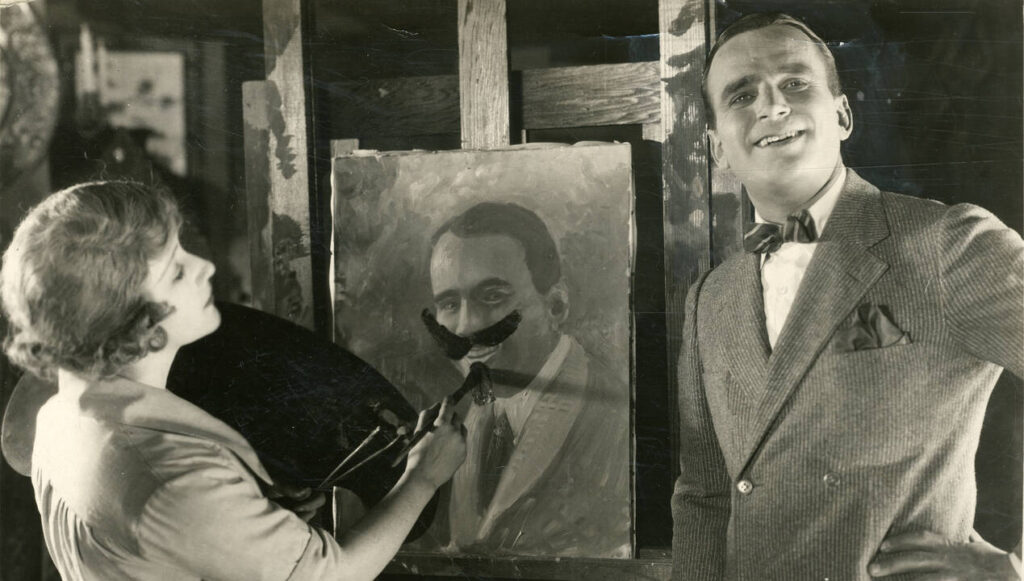
The victim in this story is Daniel Boone Brown, portrayed by Douglas Fairbanks. Known for his iconic role as Zorro, Fairbanks brings a compelling presence to the film. His character undergoes a series of transformations triggered by the psychiatrist’s methods. As the doctor relies on superstitions and myths, he traps Daniel in a web of manipulation and fear.
The Role of Superstition and Madness
The film uses superstitions as a powerful tool to drive the plot forward. These beliefs manifest through the doctor’s allies, who help create an atmosphere of anxiety and paranoia around Daniel. As he becomes more consumed by these ideas, he begins to lose his grip on reality. However, it is ultimately his uncle who helps him break free from the psychiatrist’s control.
The movie does not reach a clear conclusion, as the psychiatrist is revealed to be the real madman. What adds to the comedic aspect of the film are the exaggerated gestures, expressions, and dramatic sequences. From the bed scene where Daniel sees a muscled figure to the theatrical throne sequence, the film blends mystery and humor in a way that was groundbreaking for its time.
Exploring Insanity and Exploitation
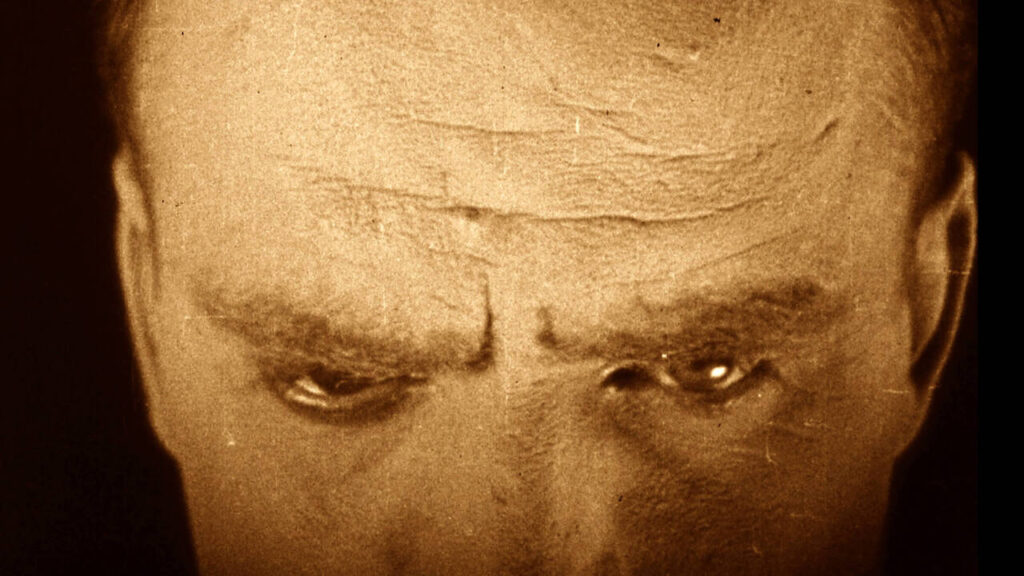
Insanity is a central theme in When the Clouds Roll By. Dr. Metz, who labels Daniel as a madman, is actually the one who becomes the patient. This twist highlights the dangers of unchecked power and the potential for those in positions of authority to cause harm. The psychiatrist’s lack of empathy, sadism, and willingness to exploit his patient for his own gain raise serious questions about morality and ethics.
The film also delves into the concept of manipulation. Dr. Metz manages to turn Daniel into a fearful and irrational person, making him susceptible to his schemes. This dynamic reflects the broader societal issues of control and exploitation that remain relevant today.
The Impact of Mob Mentality
One of the most chilling aspects of the film is the portrayal of the psychiatrist’s aides. They act as a mob devoid of independent thought, following the doctor’s lead without question. Their blind obedience leads to their own downfall, as they lose all sense of conscience in the process. This serves as a powerful commentary on the dangers of groupthink and the loss of individuality.
Conclusion
When the Clouds Roll By remains a significant piece of cinematic history. It challenges traditional notions of horror and comedy, while also offering a thought-provoking exploration of mental illness, power, and manipulation. The film’s blend of gothic elements and psychological depth continues to captivate audiences, proving that even in the silent era, storytelling could be both entertaining and profound.