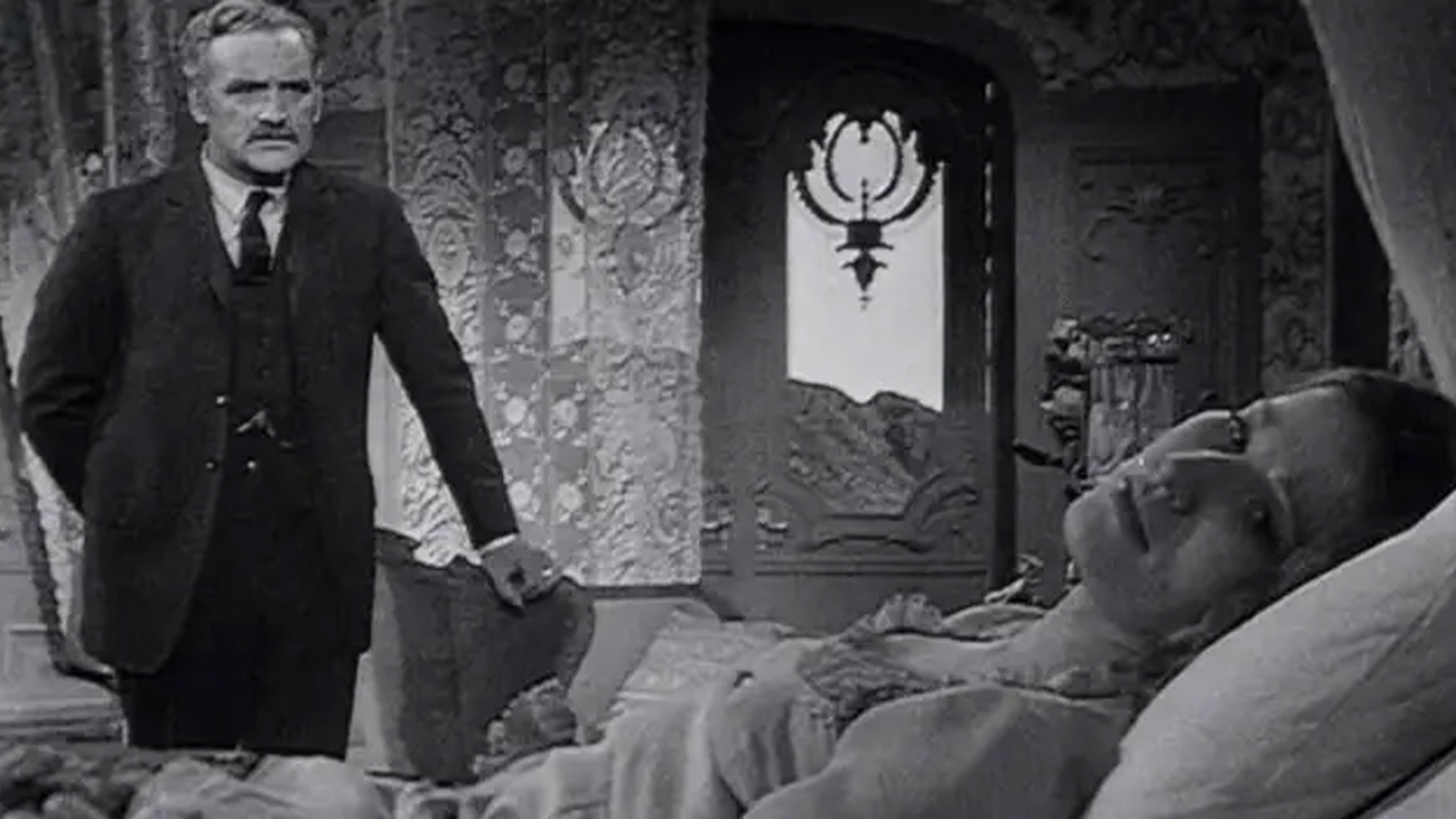
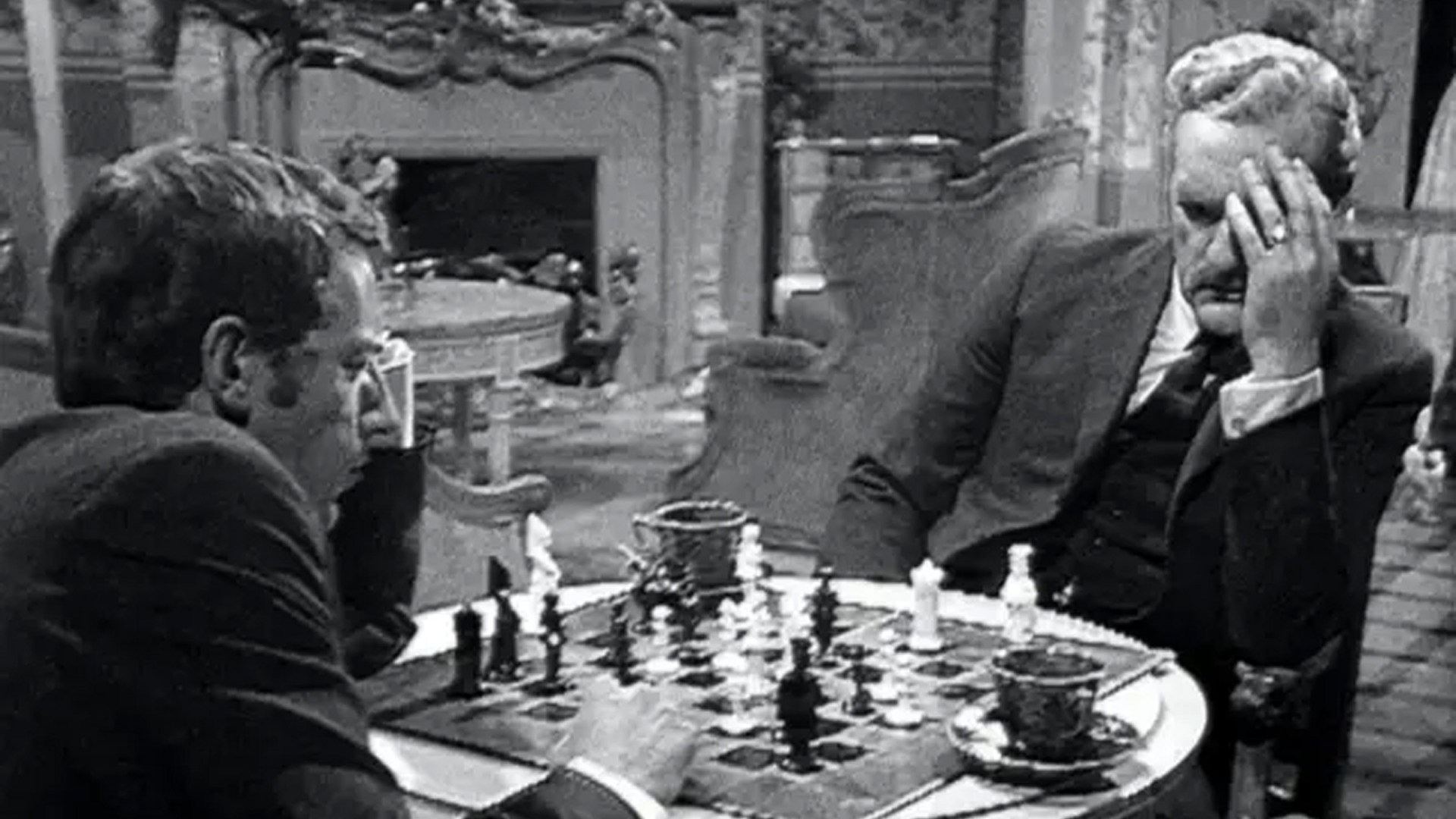
After nearly six decades of being lost, an episode from the chilling BBC series Late Night Horror has been discovered and will be shown once again. The series, which first aired in 1968, was a six-episode anthology known for its deeply unsettling content. Just two years later, it vanished from screens and the BBC archives, leaving many to wonder what happened to it.
Late Night Horror was infamous for its graphic nature, featuring storylines filled with severed limbs, creatures of the night, and horrifying tales. The limited reactions from that time suggest that it was too scary for some, with reports of BBC technicians being so frightened they “buckled at their knees.” A BFI film curator, Atlas Obscura, remarked: “It was quite shocking, I think it was controversial.”
During the 1960s and 1970s, a significant portion (up to 70%) of the BBC’s programming was discarded to free up space on tapes. This practice is famously responsible for the missing episodes of Doctor Who. In 2007, a BBC news feature suggested that the extreme horror of Late Night Horror might have led to its removal.
Four episodes—William and Mary, The Triumph of Death, The Bells of Hell, and The Kiss of Blood—are still considered lost. However, in 2016, archivist Chris Perry found The Corpse Can’t Play after a 30-year search.
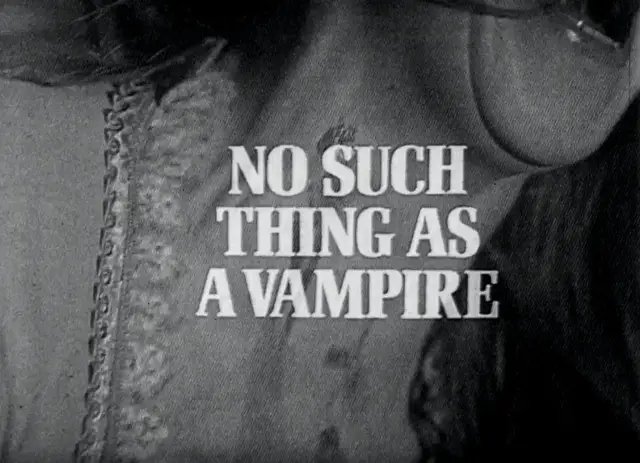
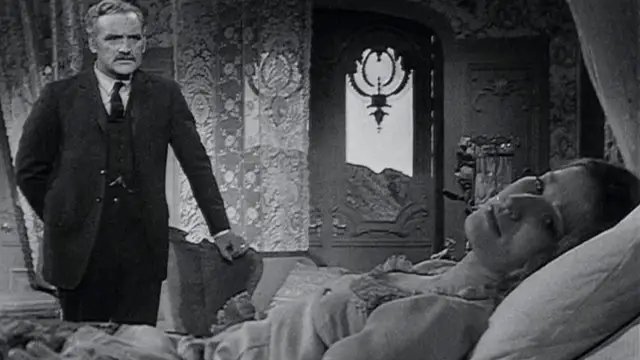
Now, a decade later, another episode has resurfaced—this time, No Such Thing As a Vampire, based on a short story by Richard Matheson, the author of I Am Legend. As the title suggests, this episode is a vampire-themed horror about a woman who falls mysteriously ill and has two pinprick marks on her neck, a telltale sign of a nightwalker.
The film, which has not been seen in six decades, was discovered by cinema projectionist Darren Payne in a small storage area of The Regent, a 1930s art deco cinema and theatre located in the heart of Christchurch, Dorset. It is set to be aired alongside the BBC Archives during the three-day Grindfest event in Dorset on September 20.
No Such Thing As a Vampire is not the only rare BBC footage. Another example is the 1984 Sheffield-based drama Threads, which explored the devastating impact of a thermonuclear blast on ordinary Brits. After its initial broadcast, it aired only a few times due to its disturbing content.
In addition, the BBC recently celebrated the recovery of two more Classic Who episodes featuring the First Doctor, William Hartnell. These episodes were expertly restored before being released on iPlayer.
If you have a story, whether it’s about celebrities, videos, or pictures, you can get in touch with the .co.uk entertainment team by emailing [email protected], calling 020 3615 2145, or visiting the Submit Stuff page. We would love to hear from you.
Comments
Add as a Preferred Source on Google
Want to get tailored updates on the TV shows you love? Sign up for our TV newsletters and let us know which ones you can’t get enough of.