The Debate Over Power Split Regulations in Formula One
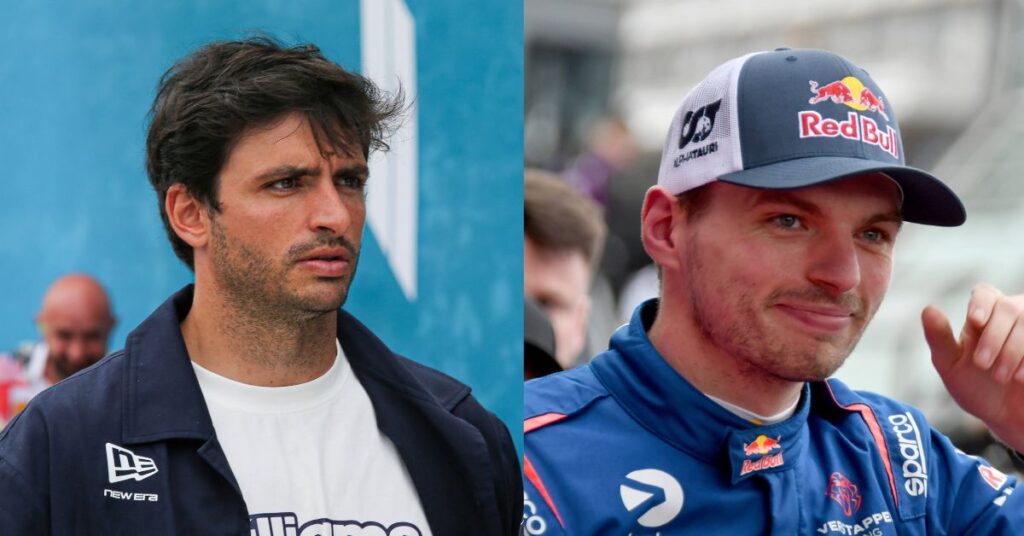
Formula One’s decision to move away from the 50:50 power split has sparked a significant debate among manufacturers and drivers alike. While some are resisting the change, others, including top drivers like Max Verstappen and Carlos Sainz Jr., are urging the FIA to maintain its stance on the new regulations.
Verstappen, who has been vocal about his dissatisfaction with the current rules, initially expressed hope after the 2027 changes were announced. However, his optimism quickly turned into concern when reports surfaced that certain manufacturers were opposing the shift. This led him to threaten to leave Formula One once again, citing the mental strain caused by the power regulations.
Sainz Jr., while not as extreme as Verstappen, has also voiced his concerns about the 2026 regulations. He believes the FIA should clearly justify the need for these changes. In an interview with Autosport, he stated:
“If they say it should be like that, I’m pretty sure teams that are complaining or maybe not fully aligned with them, they will have no other choice than to do it. Obviously, everyone needs to agree. But at the same time, if it’s for the good of the sport, for the good of the racing and the show, I’m a big fan of the rulers taking a very strong approach and strong stance on it.”
The Impact of the 2026 Power Unit Regulations
The 2026 power unit regulations have faced widespread criticism from both drivers and fans. Many argue that the rules lead to unnatural driving characteristics, excessive reliance on energy harvesting, and battery preservation during crucial moments in a race.
In response to these concerns, Formula One announced a 60:40 power split for the 2027 season, which would reduce the dependence on electric power. Although this change has been agreed upon in principle, a formal vote is still pending.
Mercedes-AMG and Red Bull are reportedly in favor of the adjustment. However, Audi, Ferrari, Cadillac, and Honda are said to be opposing the change. According to reports, Audi and Honda are concerned about the financial implications, while Ferrari is worried about the potential scrappage of ADUO, which could hinder their ability to close performance gaps.
The Role of the FIA and Manufacturer Influence
This situation brings to mind comments made by Nikolas Tombazis, the FIA single-seater director. In a private media roundtable, he emphasized that Formula One must not be held hostage by automotive companies. His message was clear: F1 needs to ensure its financial stability regardless of whether manufacturers choose to join or leave.
Tombazis stated:
“In terms of where we want to be in the future, we do need to protect the sport from the world macroeconomic situation, meaning we cannot be hostage to automotive companies deciding to be part of our sport or not.”
The 50:50 power split in the 2026 regulations was not a decision made by the FIA or F1 itself. Instead, it was driven by the demands of the manufacturers, who were eager to push for electrification in their road products. They even claimed they would never produce another combustion engine again. However, the reality has proven otherwise.
The Future of Formula One
As the debate over the 2027 regulations continues, the question remains: Is the resistance to the change justified? With the FIA determined to take a strong stance, the coming months will be critical in shaping the future of Formula One.