A 28-year-old woman who traveled to the Indian city of Bengaluru from Uganda has been placed in quarantine after showing symptoms that raised concerns about Ebola. This incident comes amid ongoing global health alerts regarding the spread of the virus, particularly in regions like the Democratic Republic of the Congo (DRC) and Uganda.
Earlier this month, the World Health Organisation (WHO) declared an epidemic of Ebola caused by the Bundibugyo virus in the DRC and Uganda as a ‘public health emergency of international concern.’ The situation has prompted increased vigilance and precautionary measures worldwide.
The woman reportedly developed a mild body ache shortly after arriving in India. She had also transited through Ahmedabad in western India. Local authorities conducted screenings at the airport, and she showed no symptoms of Ebola at that time. However, due to the potential risk, she was placed in isolation for 48 hours for further observation.
The National Institute of Virology (NIV) in Pune tested the woman and confirmed that she tested negative for Ebola. Despite this, health officials have stated that a second test will be conducted after 48 hours of observation to ensure her safety and the safety of others.
Dr Anul Kumar Banagar, the medical superintendent of the Epidemic Diseases Hospital, explained that the District Surveillance team and airport health officials were monitoring the woman’s condition. He noted that she developed a mild body ache approximately 24 hours after arriving in India, leading to the collection of samples for testing.
The hospital has emphasized that even if the woman tests negative again, she will only be released after a second negative result. This protocol is in place to minimize any potential risk of spreading the disease.
This incident follows reports of approximately 220 Ebola deaths in the DRC after an outbreak was announced earlier this month. It is believed that the outbreak began several days or weeks before the Congolese authorities officially declared it. In Uganda, two new cases have been confirmed, bringing the total number of infections to seven. All cases are linked to the outbreak in the neighboring DRC.

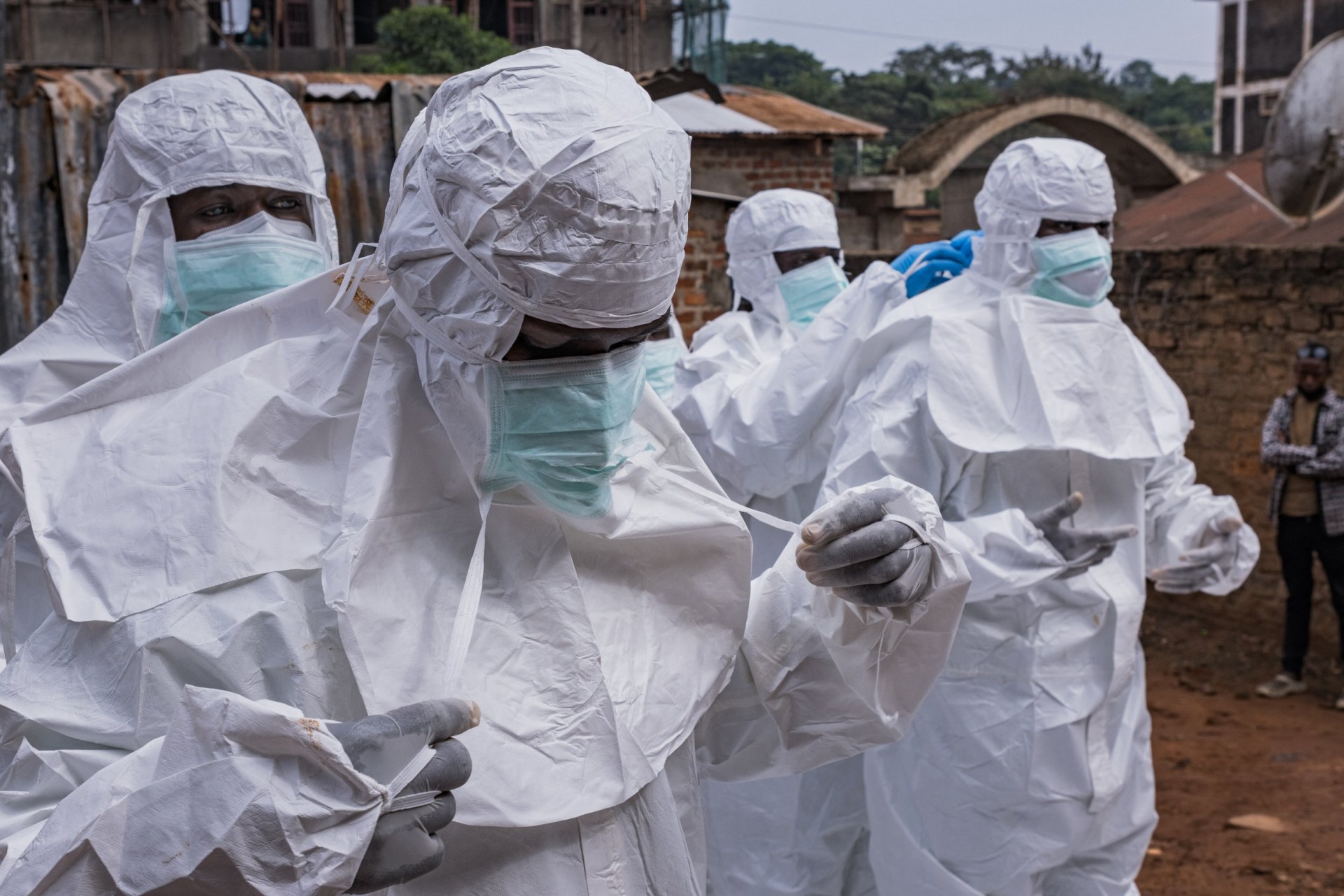
A rare strain of Ebola with no known cure has also raised concerns in Europe. A health alert was issued in northern Italy after two aid workers developed symptoms consistent with the disease. These workers returned to Lombardy after a three-month trip to Uganda and are now presenting with fever, nausea, vomiting, and intestinal problems.
They have been transferred to a hospital in Milan, which is equipped to handle high-risk infectious diseases. The regional welfare minister of Lombardy has attempted to reassure the public that the risk remains low. He stated, “There is still no certainty that this is Ebola. We are hopeful that they will be negative.”
In the DRC, the ongoing conflict has significantly hindered the response to the Ebola outbreak. Ituri Province, where most of the cases have been reported, has been under military rule since 2021. The civilian authority was replaced by a military general to help combat armed groups operating in the region.
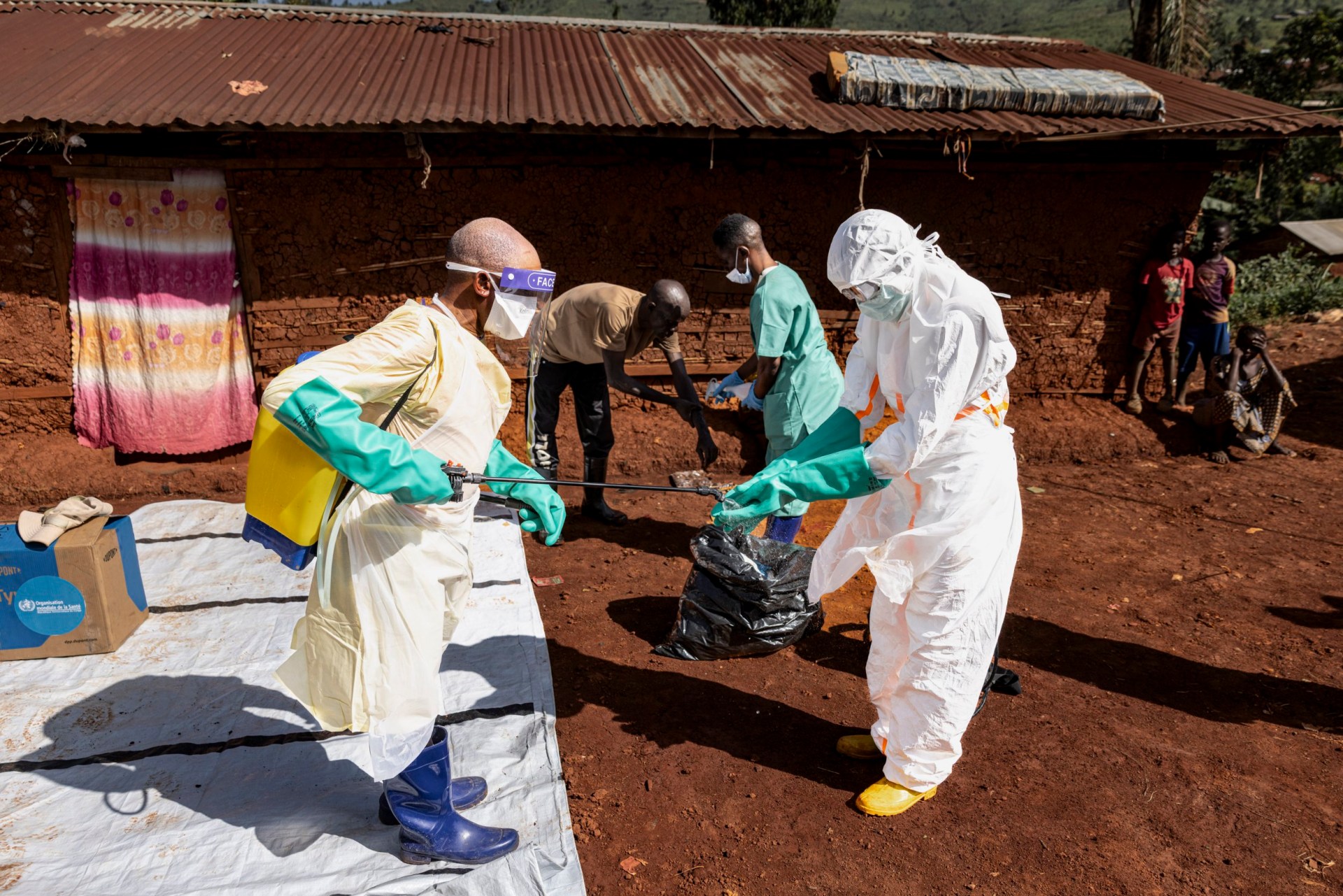
Despite this military rule, violence in the region has continued and intensified. Attacks on makeshift hospitals in Ituri have increased in the last week. This weekend, at least 18 people possibly infected with Ebola fled a hospital after it was attacked multiple times by grieving families.
Dr Tedros Adhanom Ghebreyesus, the head of the WHO, described the situation in the east of the DRC as a “catastrophic collision of disease and conflict.” He highlighted that the outbreak has outpaced the response efforts. Dr Ghebreyesus emphasized that stopping the spread of the virus depends entirely on humanitarian access.
He added that ongoing clashes are driving mass displacement, pushing exposed contacts into overcrowded camps and severing critical containment corridors. Frontline workers are risking everything, while attacks on health facilities make tracking cases and their contacts nearly impossible.
What is Ebola?
Ebola virus disease is a serious, rare infection typically found in certain parts of Africa, according to the NHS. It is usually caught by coming into contact with the body fluids of an infected person or wild animal.
Symptoms include:
- Being sick
- Diarrhoea and tummy pain
- A skin rash
- Yellowing of the skin and eyes
- Blood in your poo
- Lots of bruises all over your body
- Bleeding from your ears, eyes, nose or mouth
- Muscle pain
- Sore throat
- Blood in vomit or poo
- Bleeding from nose, gums or vagina
Source: NHS