A Journey of Struggle and Resilience
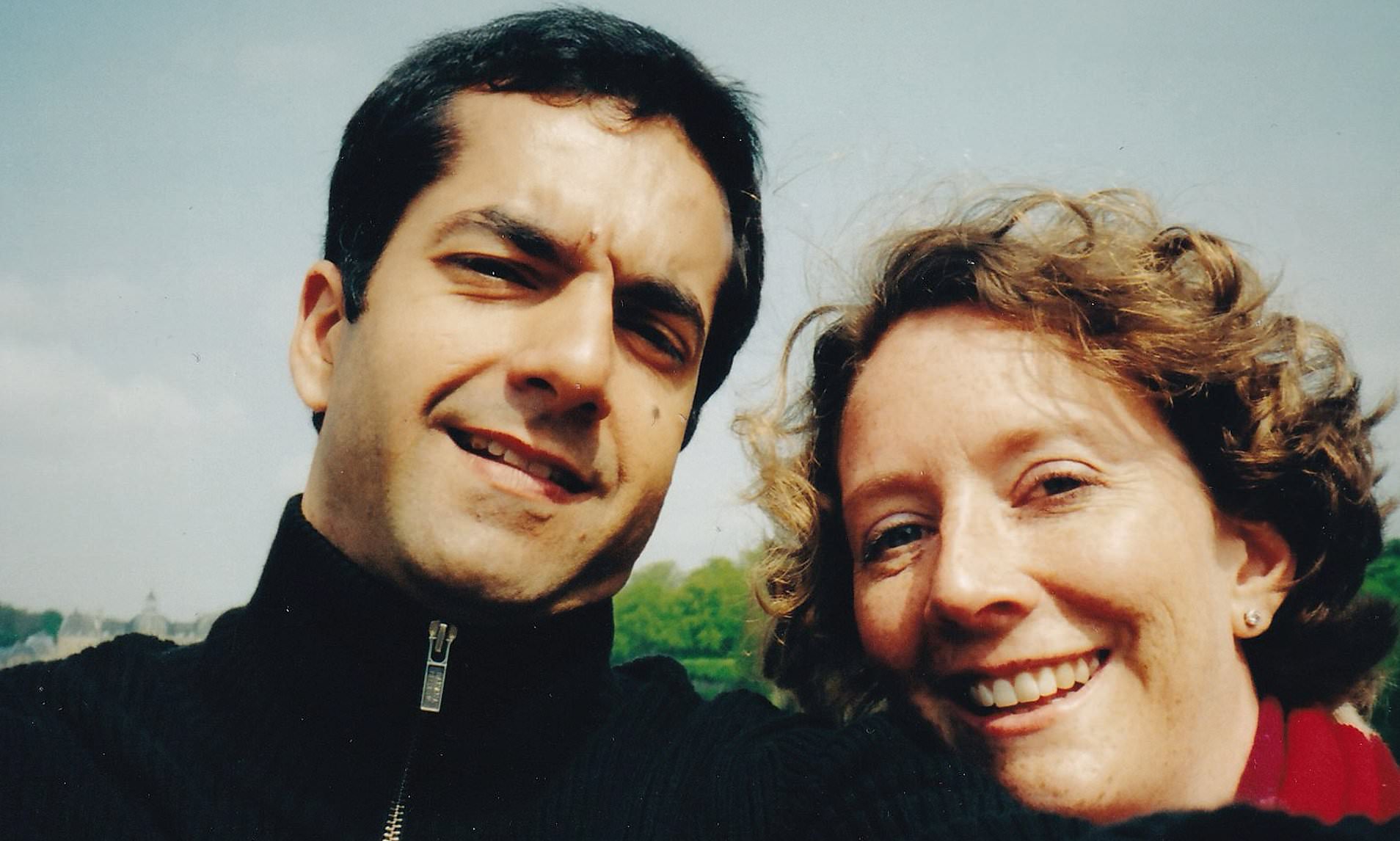
Lucy Driver’s life was marked by both triumph and tragedy. After battling breast cancer in 2005, she underwent surgery and chemotherapy, achieving remission within a year. For many years, she lived without major health issues, aside from occasional digestive problems. However, these symptoms were not to be taken lightly.
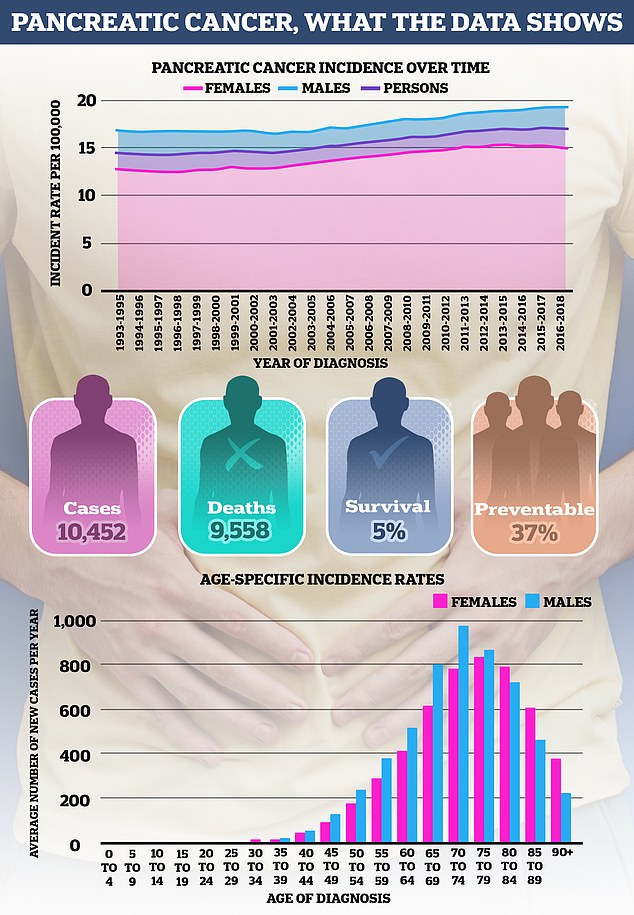
In March 2022, Lucy began experiencing stomach pain during a hike, which she initially attributed to pancreatitis. Little did she know that this was the first sign of pancreatic cancer, a disease that would ultimately claim her life at just 57 years old. This form of cancer is on the rise in the UK and is particularly challenging due to its late detection and limited treatment options.
The Hidden Signs of Cancer
Lucy’s experience highlights the importance of recognizing early symptoms. The NHS warns that frequent or severe heartburn or indigestion can be a sign of cancer. Pancreatic Cancer UK also notes that such symptoms are common in the early stages of the disease. For Lucy, one of the main signs was her inability to tolerate spicy foods.
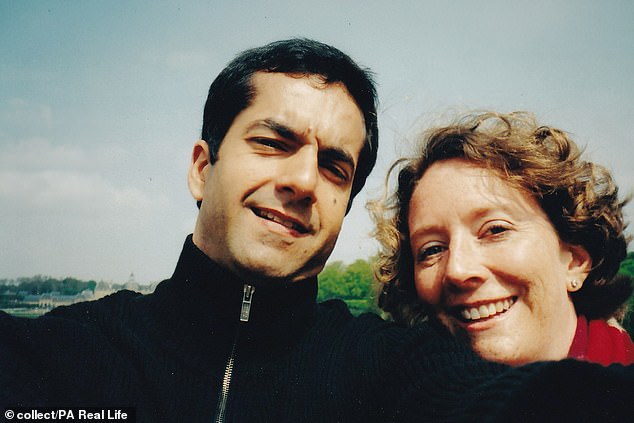
Three weeks after her 54th birthday, Lucy went to her GP for blood tests following a failed hike. The results were alarming, leading to an urgent trip to the emergency room. Mr. Venkatasamy, Lucy’s husband, recalls that they never considered cancer at first, thinking it might be something less severe like pancreatitis.
Diagnosis and Treatment Challenges
The next morning, Lucy was diagnosed with stage two pancreatic cancer. This form of the disease affects around 11,500 people in the UK annually, with only 10-20% diagnosed at stage two. Unfortunately, pancreatic cancer is notoriously difficult to diagnose and treat, with only 10% of patients surviving more than five years after diagnosis.
Common symptoms include jaundice, loss of appetite, weight loss, fatigue, and gastrointestinal issues. Due to its late detection, treatment options are often limited. At the time of Lucy’s diagnosis, her cancer was too large for immediate surgery, requiring chemotherapy to shrink it first.

Battling the Disease
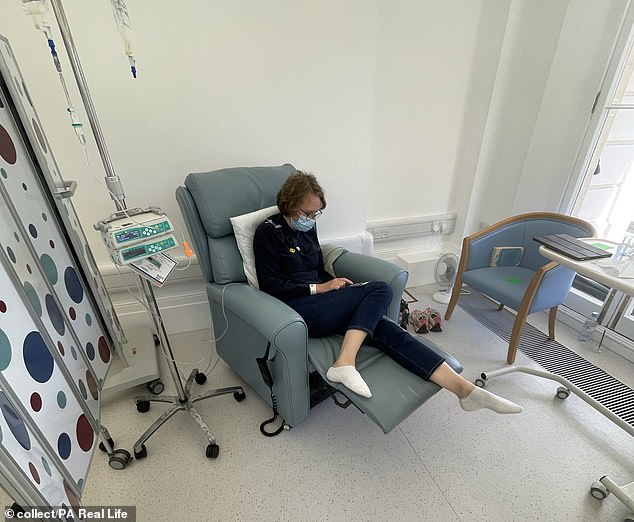
Lucy underwent chemotherapy again, which was painful and caused mouth ulcers that made eating difficult. Despite this, the treatment was effective, and her tumor was eventually removed in May 2023. However, further complications arose when a mass was found in her liver, requiring additional treatment.
By March 2024, scans showed no evidence of disease, giving hope that Lucy had overcome the illness. Her hair grew back, and she began gaining weight again. But by Christmas 2024, the indigestion returned, and scans revealed the cancer had spread to her liver once more.

The Final Battle
Lucy underwent more radiotherapy and chemotherapy, but by mid-2025, her body could no longer handle the treatments. She decided to stop in September, opting for palliative care instead. Pancreatic cancer can cause significant damage, invading nearby organs and spreading through the bloodstream and lymphatic system.
Lucy passed away on January 3, 2026, at the age of 57. Her husband, Jason, described the moment she died as sudden and shocking. In the aftermath, he wanted to honor Lucy’s memory by raising awareness about pancreatic cancer.
Raising Awareness and Support
Jason is now undertaking a 34-day walk over 800 kilometers via Spain’s Camino de Santiago this August to raise money for Pancreatic Cancer Action. He hopes to warn others about the severity of the disease and the importance of early detection.
He emphasizes that while pancreatic cancer is often a death sentence, recognizing early symptoms like indigestion or jaundice can make a difference. “If you’re lucky enough to notice them and react straight away, then you’ve got a fighting chance,” he says.
Jason’s journey is a powerful reminder of the importance of awareness and early intervention in the fight against pancreatic cancer.