Legal Battle Over the Kennedy Center’s Name
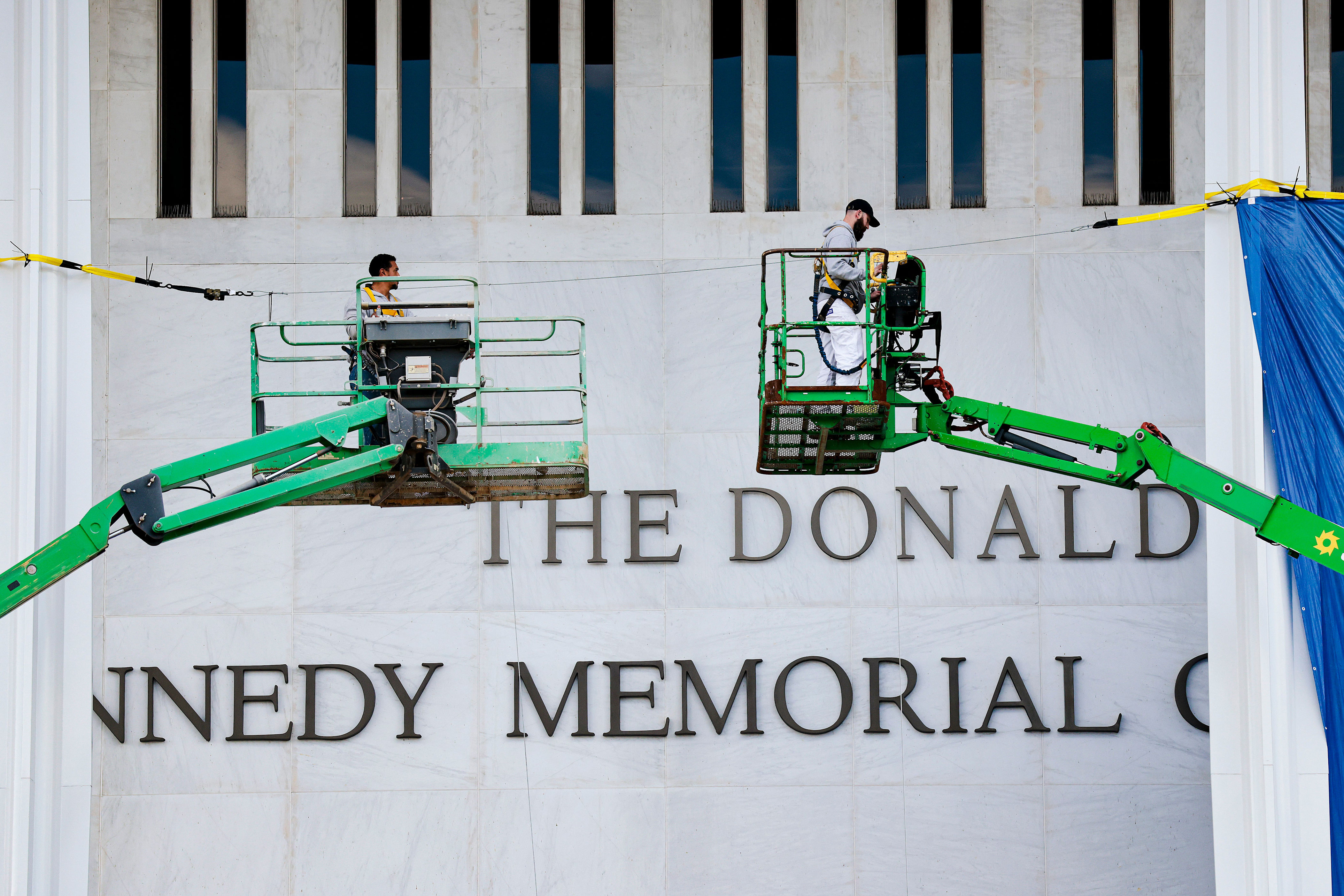
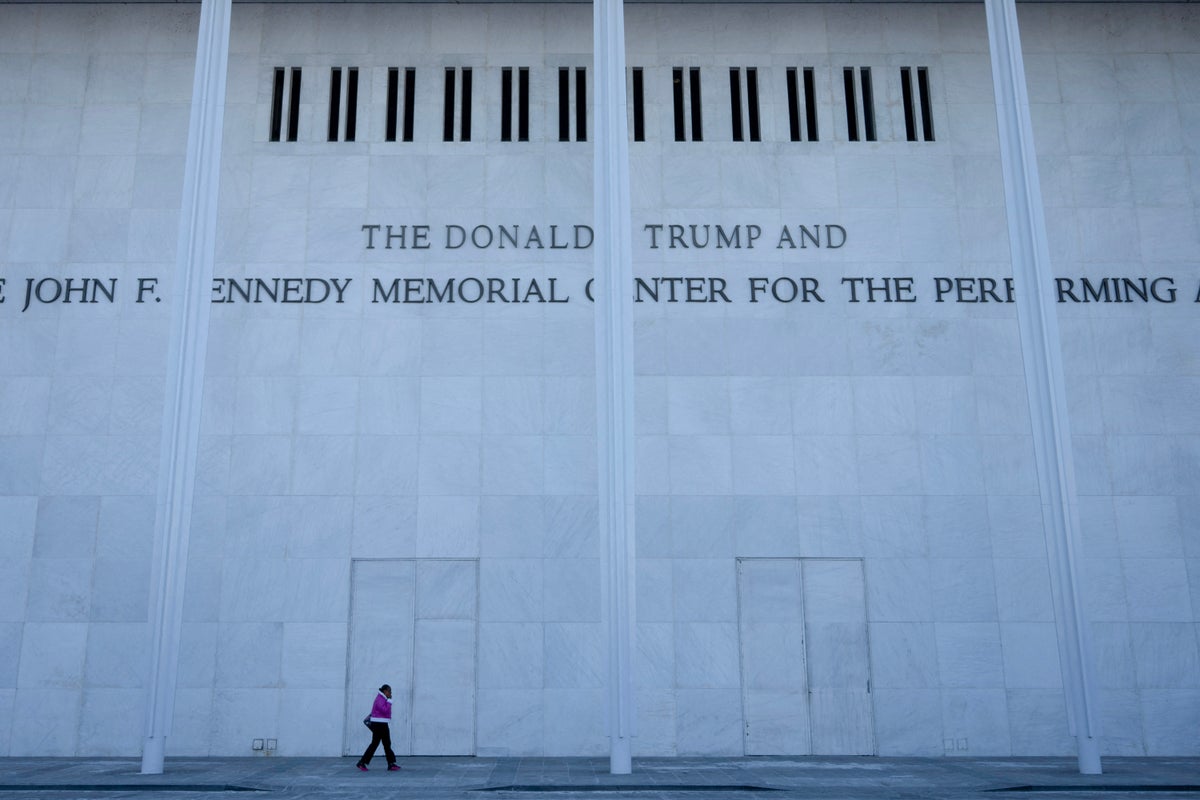
A federal judge has ruled that former President Donald Trump cannot rename the Kennedy Center after himself or close it for repairs. The decision, made by District Judge Christopher Cooper in Washington, D.C., emphasizes that Congress designated the center as a tribute to former President John F. Kennedy and that no other name can be officially assigned without congressional approval.
Judge Cooper stated that the Kennedy Center was given its name by Congress, and only Congress has the authority to change it. He noted that the president’s attempt to rename the institution is based on a “unilateral say-so” from a board appointed by Trump. This ruling highlights the legal boundaries of executive power when it comes to federally funded institutions.
Hours after the decision, Trump expressed his frustration on his Truth Social platform, claiming that keeping the center open during construction would be “impossible.” He also mentioned that he now has “no interest” in renovations and plans to work with Congress to transfer the institution back to them for further decisions.
The court’s order allows the Trump administration to proceed with planned capital repair work, which Cooper acknowledged is necessary. However, the president cannot force the board to close the center, as per the judge’s ruling.
Board of Trustees’ Role and Responsibilities
The Kennedy Center’s Board of Trustees, which included Trump as a member, faced criticism for its handling of the closure decision. Judge Cooper described the board as “derelict” in fulfilling its responsibilities, noting that they based their decision on an insufficient and one-sided presentation of information.
He pointed out that the board neglected to consider the full range of its statutory obligations and the potential adverse consequences of closing the center on programming and memorial functions. This oversight raised concerns about the board’s impartiality and commitment to the institution’s mission.
Financial Implications of the Name Change
The executive director of the Kennedy Center, Charles Matthew Floca, warned that removing Trump’s name from the building could cause significant financial damage. He argued that the institution’s funding is closely tied to the president, citing the tens of millions of dollars already raised through Trump’s fundraising efforts.
Floca emphasized that Trump had committed to raising $150 billion from private donors over the next two years. If the name is removed, he claimed, this vital fundraising connection would be severed, leading to irreparable harm and destabilizing the center’s development efforts.
This concern underscores the complex relationship between political figures and cultural institutions, where names and reputations can have tangible financial implications.
The Broader Context of the Lawsuit
The ruling follows a lawsuit filed by Democratic Rep. Joyce Beatty, who is also an ex officio trustee of the center. She challenged the board’s decision to permanently add Trump’s name to the building, calling it a “personal vanity project.”
Beatty criticized Trump’s rebranding efforts, stating that the Kennedy Center should belong to the American people, not to any individual. She praised the court’s decision as a victory for the rule of law and the protection of a sacred institution.
Trump’s Vision for the Nation’s Capital
Trump has overseen a dramatic transformation of the nation’s capital, including multi-billion-dollar renovations and new construction projects tailored to his preferences. These changes include the demolition of the East Wing of the White House for a massive ballroom, plans for the world’s largest “triumphal” arch, and an overhaul of the Lincoln Memorial Reflecting Pool.
The White House Rose Garden was replaced with a Mar-a-Lago-like patio area, and an Ultimate Fighting Championship ring is being constructed on the lawn for an upcoming match. Additionally, the Oval Office has been adorned with gold details, and plaques honoring and demeaning his predecessors have been installed along the outside walls of the White House.
Reactions to the Ruling
Rep. Beatty and her legal representatives, Norm Eisen and Nathaniel Zelinsky, welcomed the court’s decision as a significant message about the importance of the rule of law. They described it as a powerful blow against the Trump administration’s alleged corruption.
Their statements reflect broader concerns about the influence of political figures on public institutions and the need to uphold legal standards to protect the integrity of such organizations.
Conclusion
The court’s decision reaffirms the legal framework governing federally funded institutions and the limits of executive authority. It also highlights the ongoing tensions between political ambitions and the public interest in preserving cultural landmarks. As the Kennedy Center moves forward, the focus will likely remain on balancing the needs of the institution with the demands of those in power.