The Hidden Struggles of New Mothers
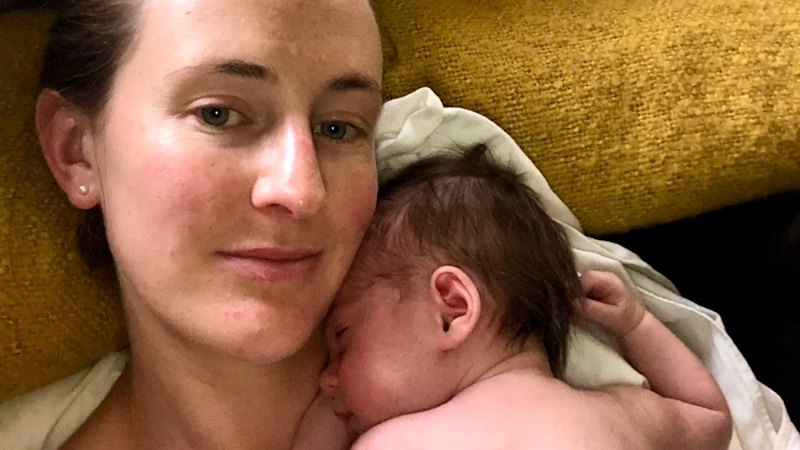
Ali Minichello, a new mother from Melbourne, appeared to be happy and content with her newborn daughter. However, behind closed doors, she was grappling with severe physical trauma and emotional distress that she felt too ashamed to share. After giving birth, Ali experienced urinary incontinence and a pelvic organ prolapse, which left her struggling to manage daily life. Her husband, Andrew, worked night shifts as a police officer, leaving her isolated during the pandemic lockdowns while caring for a baby with severe colic.
The combination of sleep deprivation, physical pain, and anxiety took a toll on Ali’s mental health. She described feeling so exhausted that she started seeing double while breastfeeding. Despite her challenges, she felt pressured to appear grateful and capable, fearing that admitting her struggles would make her seem ungrateful or unfit as a mother. “Only my husband knew my internal world,” she shared. “I was an expert at keeping my dirty little secret hidden.”
Across Australia, many women are experiencing similar struggles after childbirth. They often feel compelled to hide their pain and mental health issues behind a mask of gratitude, especially when their babies are healthy. This pressure is exacerbated by societal expectations that motherhood should be a time of joy and fulfillment, without acknowledging the real challenges involved.
According to a survey by PANDA, Australia’s perinatal mental health helpline, more than one in five respondents reported that healthcare providers did not ask about their mental health during pregnancy or after birth. Of those who were asked, 20% felt their concerns were treated generically, with no adequate support or referrals provided. This lack of attention can lead to feelings of isolation and shame among new mothers.
Ariane Beeston, director of clinical content at COPE, highlights the devastating cost of this silence. “Admitting that you’re struggling can feel like a failure and bring a sense of shame,” she explains. Some women fear that being too honest about their feelings could result in their baby being taken from them. Julie Borninkhof, chief executive of PANDA, agrees that many women feel guilty and ashamed even when their babies are healthy but they are struggling with depression, anxiety, or other mental health issues.
Borninkhof emphasizes that these feelings are normal and do not indicate that someone is a bad parent. However, she notes that conversations after birth often focus on the baby rather than the mother’s recovery. “The mental health of mum and dad is often secondary, if asked about at all,” she says. Many women expect to be fully healed within six weeks, but Borninkhof argues that the body, hormones, and organs take much longer to recover from childbirth.
Ali’s experience is not unique. Parents across the country, including those with professional training in mental health, often find themselves unprepared for the realities of childbirth. Shari Hendriks, a psychologist, attended birthing classes and practiced mindfulness exercises before her delivery. However, her experience included an induction, two failed epidurals, an emergency c-section, and a postpartum haemorrhage. “All of the preparation didn’t cover how to respond when things don’t go to plan,” she recalls.
Hendriks struggled with flashbacks, nightmares, and significant physical pain. She later joined a hospital-run postpartum physio class, where other mums shared their traumatic birth stories. “It was horrifying to see how little support women received for their physical and emotional recovery,” she said.
Amelie Cazzulino, founder of Bare Mum, also faced unexpected challenges during her pregnancy. Diagnosed with endometrial polyps and a breast hamartoma, she found that there was little guidance available about the physical and emotional fallout following childbirth. “There is this unspoken idea that because you have a healthy baby, you should only feel grateful,” she explained. “But you can also be in pain, overwhelmed, exhausted, anxious, or grieving the version of yourself you were before.”
Cazzulino argues that postpartum recovery is often dismissed as a matter of self-care. “The postpartum period changes almost every part of a woman’s life,” she says. “Even when someone looks ‘fine’ from the outside, she may be navigating pain, feeding challenges, anxiety, loneliness, or a complete loss of autonomy.”
While maternal mental health is now more openly discussed, medical leaders acknowledge that the system still fails to catch many who are struggling. Dr Nisha Khot, president of the Royal Australian and New Zealand College of Obstetricians and Gynaecologists (RANZCOG), notes that the gap in mental health screening by healthcare providers is concerning. “Recovery following childbirth is highly individual,” she explains. “For some women, the impacts of birth trauma, physical injury, or mental health challenges can extend well beyond the traditional six-week review.”
Khot adds that workforce pressures and fragmented models of care remain significant barriers to support, particularly in regional areas. “There is more work to do to ensure all women receive equitable, compassionate, and comprehensive care,” she says.
The Department of Health, Disability and Ageing is working with states and territories to strengthen mental health screening and follow-up care for new and expectant parents. This includes updating pregnancy care guidelines and developing new postnatal guidelines to improve outcomes for mothers and babies.
If you or someone you know is struggling with pregnancy or new parenthood, support is available. You can visit panda.org.au or call the PANDA Helpline on 1300 726 306. You can also search the COPE Directory for help and support. If needed, contact Lifeline on 13 11 14 or Beyond Blue.