ICC Considers Pink Ball for Test Matches Amid Lighting Challenges
The International Cricket Council (ICC) has taken a significant step towards addressing the challenges of low light conditions during Test matches. Following discussions at the recent ICC board meetings in Ahmedabad, the governing body has given the green light for the use of pink balls in traditional Test matches when visibility becomes an issue. This decision comes as part of broader efforts to enhance the quality and continuity of play under challenging weather conditions.
A number of high-profile officials from around the world attended the meetings, which were held on May 30 and 31. The event marked a major development in cricket governance, with several key decisions being made. One of the most notable outcomes was the decision to ban Crixkt Canada from ICC membership due to breaches of membership obligations. However, there have also been reports suggesting that the ICC is considering revising some of its existing rules to better suit modern playing conditions.
Use of Pink Balls in Test Matches
Traditionally, Test matches are played with red balls, which are known for their visibility under daylight conditions. However, in situations where the game extends into the evening or when overcast skies reduce visibility, the use of red balls can become problematic. This often leads to interruptions in play, affecting the flow and competitiveness of the match.
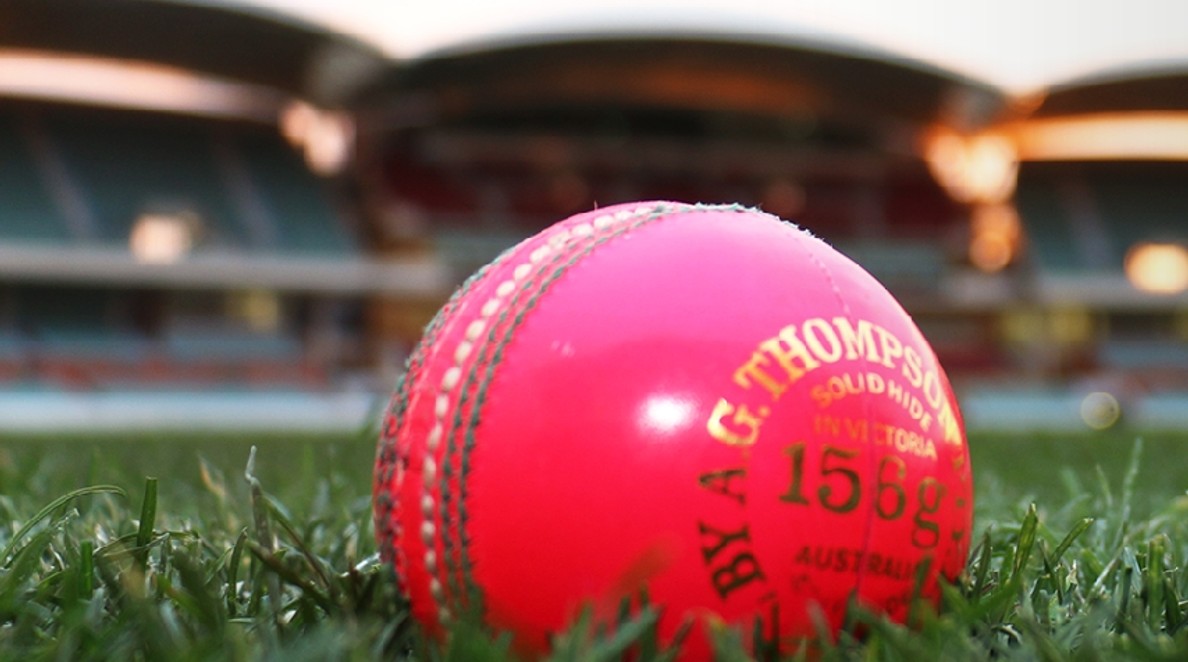
According to a report by Cricbuzz, the ICC has now approved the use of pink balls in Test matches, provided both teams involved agree to the change. This means that the bowling team can switch from a red ball to a pink ball during the course of a match. The introduction of pink balls is expected to improve visibility under low-light conditions, ensuring that players can continue to compete without unnecessary delays.
Investment in Lighting Technology
In addition to allowing the use of pink balls, the ICC has also announced plans to collaborate with the Marylebone Cricket Club (MCC) to fund research into advanced lighting technology. This initiative aims to develop better lighting systems that can help minimize disruptions caused by poor visibility. By investing in these technologies, the ICC hopes to create more consistent playing conditions across all international matches.
Rescheduling of ICC Board Meetings
The ICC board meetings were originally scheduled to take place in Doha, Qatar, from March 25 to 27. However, growing geopolitical tensions in West Asia led to concerns about the safety of attendees and the stability of air travel in the region. As a result, the meeting was postponed and eventually rescheduled for May 30 and 31 in Ahmedabad, India.
The relocation of the meeting coincided with the IPL 2026 final, which was held at the Narendra Modi Stadium. The BCCI cited the presence of ICC officials and international delegates in Ahmedabad as a key factor in shifting the IPL final from Bengaluru. This move created a major cricket-focused weekend in the city, bringing together players, officials, and fans from around the world.
Virtual Participation from Pakistan
Despite the logistical challenges, the Pakistan Cricket Board chairman, Mohsin Naqvi, attended the sessions virtually through video conferencing. His absence from the physical meeting was attributed to ongoing political sensitivities in the region. This highlights the complex interplay between cricket and geopolitics, as international sporting events often require careful coordination to ensure the participation of all stakeholders.
Conclusion
The ICC’s decision to allow the use of pink balls in Test matches marks a significant shift in the way the game is managed under challenging conditions. Coupled with investments in lighting technology, this move is expected to enhance the overall experience for players and fans alike. As the ICC continues to evolve, it remains focused on ensuring that cricket remains a sport that is accessible, competitive, and adaptable to changing circumstances.