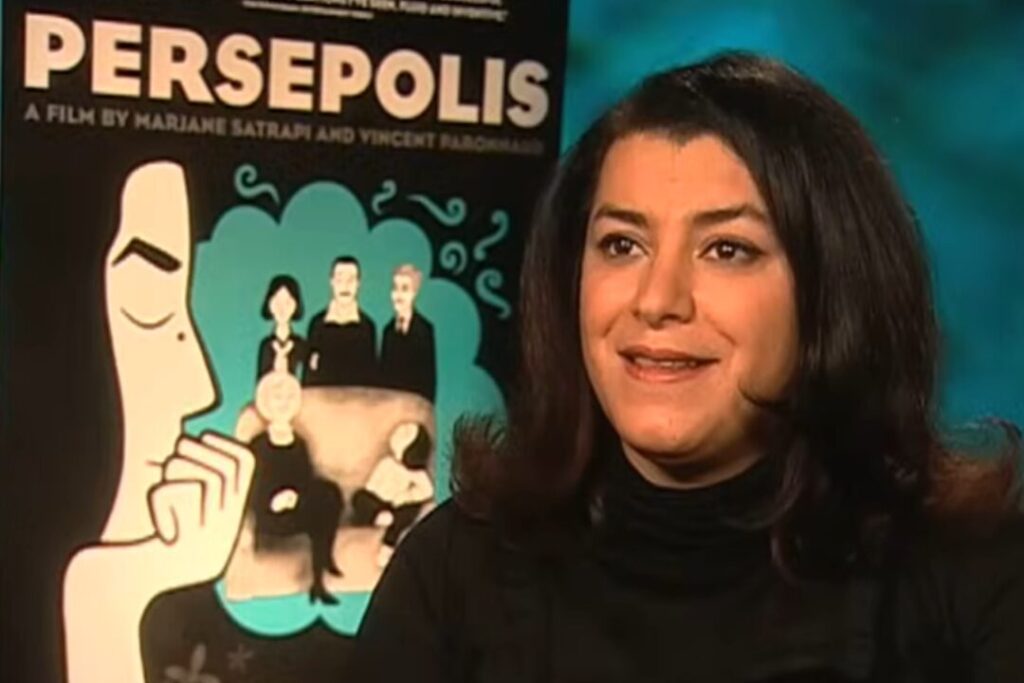
A Life of Art and Resilience
Marjane Satrapi, the Iranian-born French graphic novelist and filmmaker, left an indelible mark on the world through her powerful storytelling and unique visual style. Known for her acclaimed memoir Persepolis, she transformed deeply personal experiences into universally resonant art. Her black-and-white illustrations offered readers a profound glimpse into life during and after the Iranian Revolution, making her work both accessible and impactful.
Her passing at the age of 56 marked the end of a remarkable creative legacy that bridged cultures and generations. The news of her death was shared by close friends and family, who revealed that she passed away from sadness a little over a year after the death of her husband, Mattias Ripa, who was also the love of her life. Ripa, who passed away at the age of 53 in April 2025, had been a significant part of her life and career.
Tributes from Around the World
The death of this celebrated graphic novelist and filmmaker prompted heartfelt tributes across France and beyond. French President Emmanuel Macron expressed his deep sorrow, describing Satrapi as a leading figure in French culture and a freedom-loving artist. He highlighted the universal message of her work, which earned international admiration and respect.
The French Academy of Fine Arts, where Satrapi was a member, also expressed profound sadness following her loss. The institution praised the creator of Persepolis as a passionate advocate for cinema and film education. Their tribute reflected the lasting influence Satrapi had on both artistic and cultural life, underscoring the significance of her contributions to the arts.
These tributes highlight the profound impact Satrapi had on art, literature, and cinema, leaving behind a legacy that continues to inspire.
The Legacy of Marjane Satrapi
Marjane Satrapi’s legacy is closely tied to the stories that defined her career. Her breakthrough graphic memoir, Persepolis, introduced millions of readers to her experiences growing up in Iran and later became an Oscar-nominated animated film that she co-directed. This work not only showcased her talent but also brought global attention to the challenges faced by individuals living under political repression.
In addition to Persepolis, Satrapi gained acclaim for works such as Embroideries and Chicken with Plums. Each of these works reflected her distinctive approach to storytelling, blending personal narratives with broader social themes. Her ability to convey complex subjects such as political repression, exile, and cultural identity made her work accessible to a wide audience.
Throughout her career, Satrapi used her clear, personal narratives and striking black-and-white visual style to explore difficult topics. As the world remembers her, her books and films continue to inspire readers and artists alike. Her perspective on freedom, identity, and resilience remains a vital part of the cultural conversation she helped shape.
Continuing Influence
Satrapi’s work has left a lasting impression on the literary and artistic communities. Her ability to connect with readers on a personal level while addressing universal themes has ensured that her voice remains relevant. Her contributions to graphic novels and animation have paved the way for future generations of artists and storytellers.
As her legacy continues to grow, it serves as a reminder of the power of art to transcend boundaries and foster understanding. Through her work, Satrapi not only shared her own story but also provided a platform for others to explore their own identities and experiences.
How has Marjane Satrapi’s legacy impacted you? Share your thoughts in the comments!