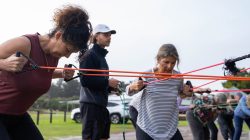
Regular physical activity is essential for maintaining good health, and recent research highlights the significant benefits of incorporating strength training into weekly routines. Experts have found that engaging in 90 minutes to two hours of weight training each week can greatly reduce the risk of premature death.
A new study suggests that individuals who consistently participate in resistance training can lower their chance of an early death from any cause by 13 per cent. This benefit extends further for specific conditions, with a 19 per cent reduced risk of early death from heart disease and stroke. Additionally, those who include weightlifting, resistance bands, or bodyweight exercises in their routine also experience a 27 per cent lower risk of dying from neurological diseases.
This reduction in risk remains consistent even when other forms of physical activity, such as aerobic exercise, are considered. Researchers emphasize the importance of a balanced exercise regimen, recommending a combination of aerobic activities like cycling, jogging, and swimming with strength-based training. However, they note that exceeding two hours of strength training per week does not appear to provide additional health benefits.
The study found that the lowest risks of early mortality were observed in people who engaged in a decent amount of both aerobic and strength training, or maintained very high levels of aerobic activity.
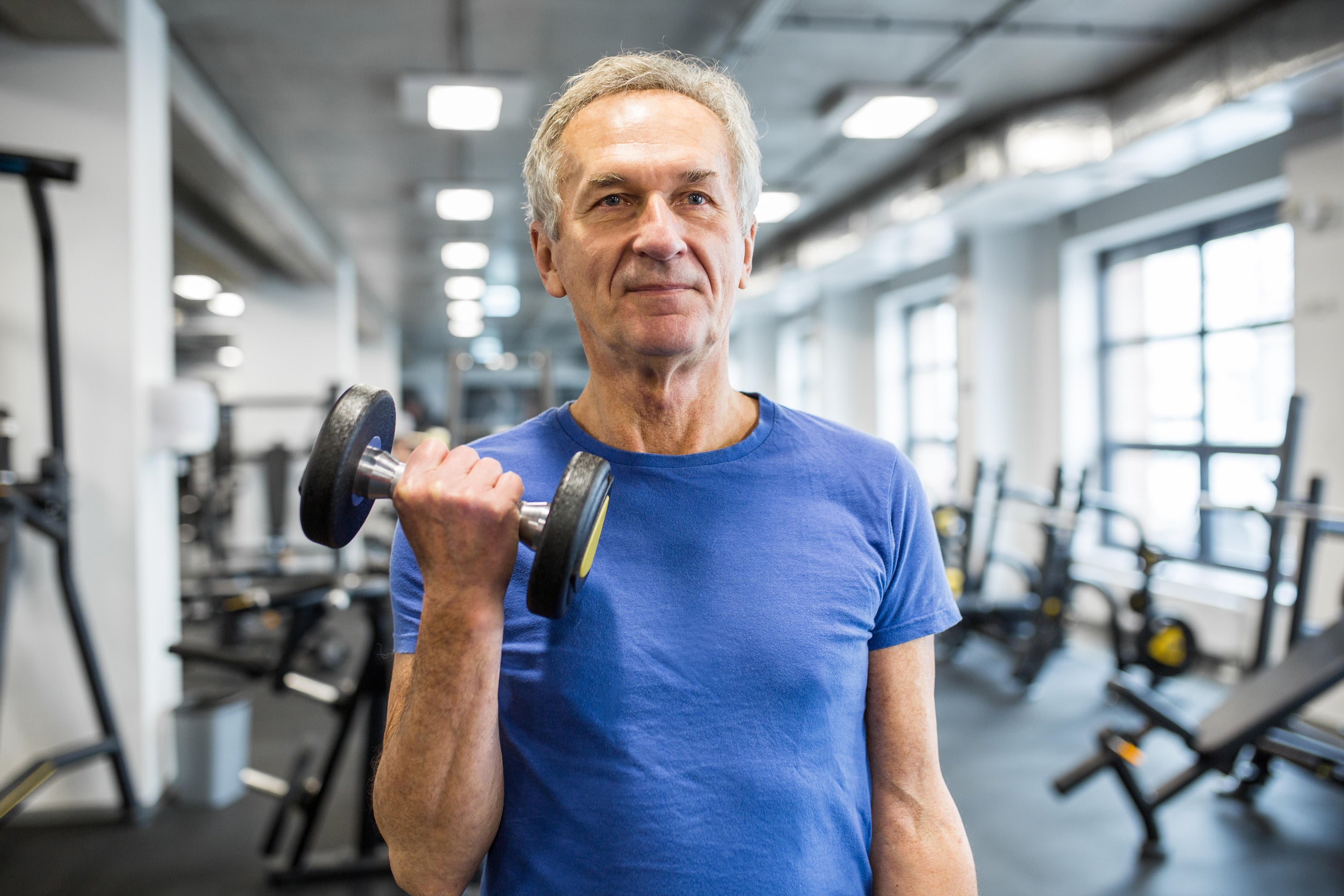
Current guidelines from the NHS recommend that adults should aim to do strength activities that work all the major muscle groups (legs, hips, back, abdomen, chest, shoulders and arms) on at least two days per week. They should also engage in at least 150 minutes of moderate intensity activity a week or 75 minutes of vigorous intensity activity a week.
Examples of moderate activity include very brisk walking (4mph or faster), cycling at 10mph-12mph, or badminton. Vigorous activity includes hiking, jogging at 6mph or faster, fast cycling, basketball or tennis.
The study, published in the British Journal of Sports Medicine, included 147,374 people (31,540 men and 115,834 women) followed for up to 30 years. Participants were quizzed every two years on the amount of time they spent on strength training and aerobic exercise. Aerobic exercise in the study included brisk walking, running, jogging, swimming, cycling, tennis and squash, while strength training included exercises using weights or body weight, such as dumbbell work, squats and lunges.
The lowest risks were observed among those with both high aerobic activity and strength training levels, with risks dropping by up to 58% among the most active.
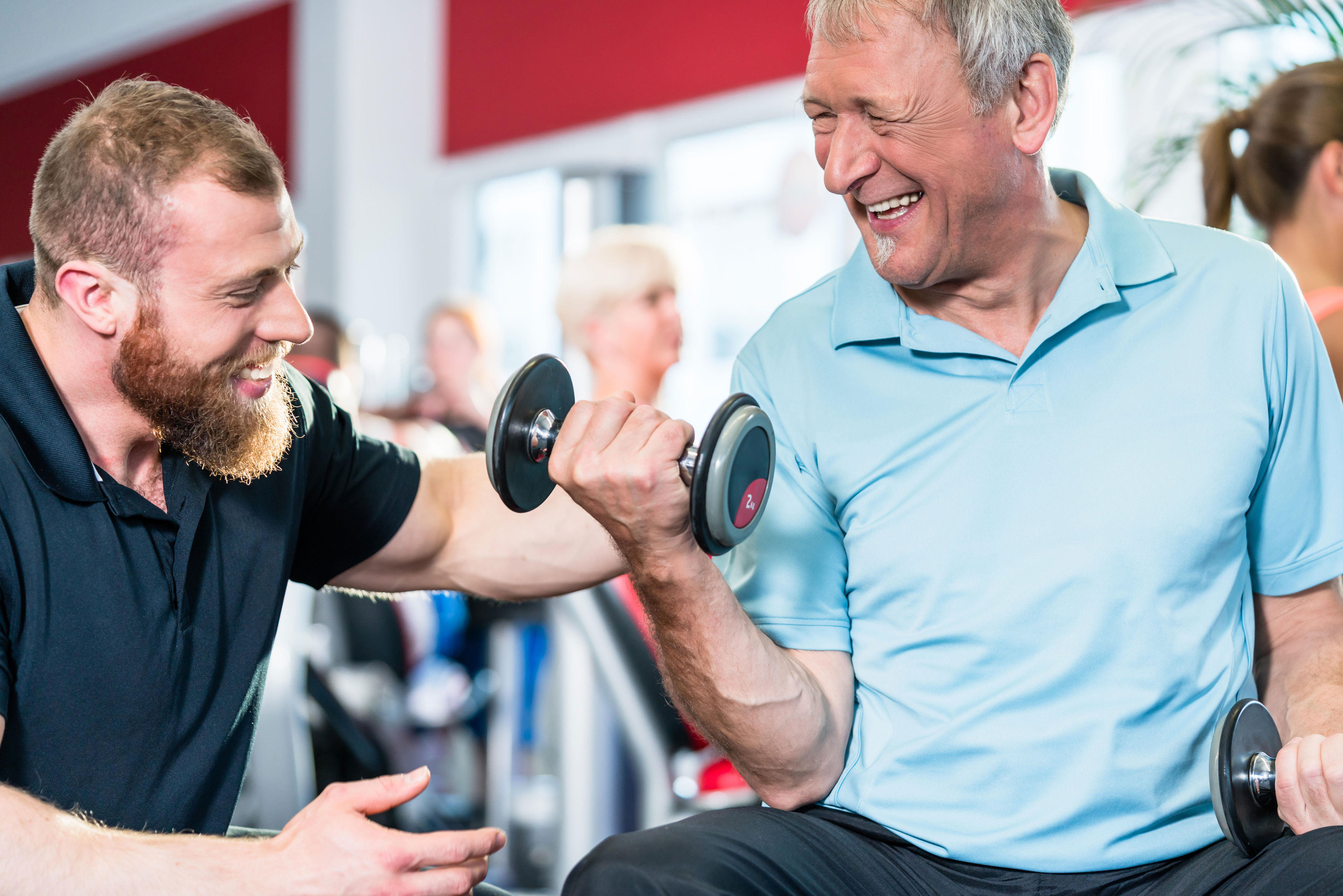
Tom Burton, strategic lead for health and wellbeing policy at Sport England, highlighted the importance of strength-based physical activity in supporting healthy ageing. He emphasized that it helps prevent or delay poor health, keeps people mobile and independent, and eases pressures on healthcare services.
Sport England research has shown that active lifestyles prevent 3.3 million cases of chronic illness a year, saving £8 billion annually for healthcare services. The organization’s mission is to make physical activity accessible to all, promoting healthier, wealthier, and happier communities.
Here are some tips to help kickstart your strength training journey:
Start with a movement screen
“The best practice is to have a functional movement screen,” recommends Samuel Quinn, personal training lead at Nuffield Health. A movement screen involves a range of exercises undertaken by fitness professionals to evaluate someone’s movement patterns. It helps assess how clients move through fundamental movement patterns of the body, such as squatting, hinging, and single leg movements. It also checks overhead mobility and core stability. With this information, a baseline level of fitness and movement ability can be established.
Follow a bespoke training program
“There are so many different variables which come into play, so I would recommend following a program which is bespoke and suited to your specific anatomy, goals, and ability,” advises Quinn. “You need a program that you’re going to be able to be consistent with and be able to manipulate and adapt in order to avoid injury.”
Keep it simple
Simple exercises are often the most effective. “It needs to be simple and involve basic movement patterns, rather than being a very elaborate program that takes a long time,” says Quinn. “It should be relatively straightforward to follow so that you are able to execute it well and therefore yield the results that you desire from it.”
Start with a lighter load
“Lots of people go too heavy too soon, and subsequently injure themselves or get really sore for a few days after,” says Quinn. “The weight doesn’t need to be as heavy as you can possibly lift, as you can still get benefits with a slightly lighter load. Start by selecting a lower weight and make sure that you are able to comfortably control the repetitions so you get the benefit from the exercise, then progress cautiously with heavier loads over time.”
Check your form
“There’s lots of videos out there which show and explain different types of exercises and explain what they are going to be doing and what the correct form and technique is,” says Quinn. “With a lot of my clients, I often show and explain to them the exercises, and then send them off with videos which they can go back to when they are training on their own.”
Aim for a couple of sessions a week
“You don’t have to be doing five hours a week of strength training. Even a couple of sessions a week can yield very good benefits if you’re looking at improving stability, overall physical strength, general fitness and quality of life,” says Quinn. “It’s about making sure that you’re selecting the right exercises, which are appropriate for your baseline fitness, health and wellbeing, and being able to consistently do that a couple of times a week.”
Prioritise recovery, protein and hydration
Quinn recommends having a holistic approach to training and advises beginners to think about what they do outside of training sessions. “In order for you to get the benefits out of your workouts, you need to be able to recover from your workout with adequate sleep and rest,” he says. “You also need to make sure that you’re eating appropriately, consuming enough protein and are sufficiently hydrated. I would aim for between 1.1-2 grams of protein per kilogram of body weight per day, and around 2.5 litres of water per day.”