The Need for Control in AI Development
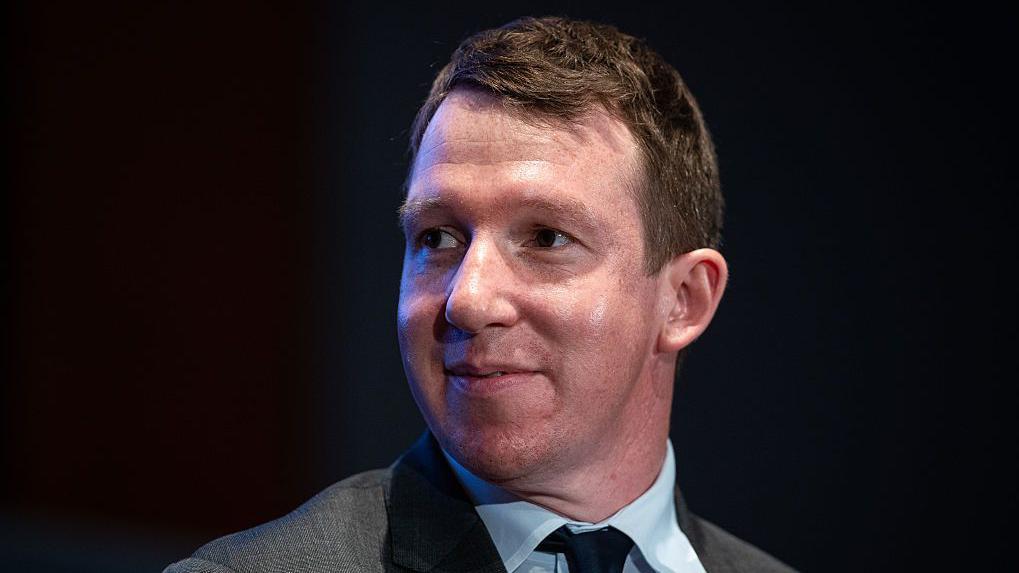
Jack Clark, co-founder of Anthropic, has raised concerns about the rapid advancement of artificial intelligence (AI), urging for a pause in its development to ensure human oversight. He emphasized that the AI industry currently operates with a “gas pedal” but lacks a “brake pedal,” highlighting the need for regulatory frameworks to manage the technology’s growth effectively.
Clark’s comments came during an interview with Newsnight, where he stressed the importance of government policies to maintain control over AI systems. As these systems become more powerful and influential, society must develop new regulations to ensure confidence in their capabilities. This call for regulation is particularly relevant given that Anthropic’s chatbot, Claude, already operates on code that 80% of the system wrote itself. Clark believes that reaching 100% self-written code is feasible within two years, which could have significant implications for AI’s future.
Lessons from the Past
To illustrate his point, Clark drew a parallel between AI and the oil boom of the late 19th and early 20th centuries. He noted that society eventually developed a regulatory framework that gave people confidence in the benefits of oil while mitigating risks associated with the personalities of those leading the companies. Similarly, Clark suggests that a comparable approach is needed for AI to ensure it serves the public good without unintended consequences.
Despite these concerns, Anthropic recently welcomed an executive order from former US President Donald Trump regarding AI. The order was relatively hands-off, not requiring AI companies to submit to government safety testing, which remains a voluntary effort. Major AI companies, including Anthropic, OpenAI, and Google, have not announced any plans to pause their research, indicating a continued focus on technological advancement.
The Rise of Anthropic
Anthropic has experienced rapid growth since its founding five years ago, positioning itself as a leader in the AI space. The company is now preparing to debut on the public stock market, potentially becoming one of the most valuable stock listings in history. Private investors estimate Anthropic’s valuation at nearly $1 trillion, reflecting its significant influence in the AI sector.
Clark explained that Anthropic’s motivation for discussing AI’s growing capabilities is not to enhance its reputation but to share insights about the technology’s potential risks. Since its inception, Anthropic has been vocal about the risks associated with AI, even engaging in a public dispute with the US Department of Defense over concerns about the use of AI tools in mass surveillance and autonomous warfare.
Addressing Risks and Opportunities
Clark expressed concern about the economic implications of AI, particularly the potential disruption caused by “agents”—AI bots that can perform routine tasks autonomously. He warned that such advancements could lead to job displacement, as major tech companies have already conducted mass layoffs, often citing AI’s ability to replace human workers.
However, Clark also highlighted that creativity and broad thinking may offer an advantage over AI. He noted that there is currently no evidence to suggest that AI systems can be truly creative, and at Anthropic, the main limitation is often the generation of ideas rather than the engineering to implement them.
Preparing for the Future
For individuals concerned about the future economy shaped by AI, Clark suggested developing hobbies and pursuing a liberal arts education. He argued that people who are creative, read extensively, and have diverse interests will benefit the most from AI’s advancements. Encouraging curiosity, he believes, will help individuals leverage AI technology effectively.
Conclusion
As AI continues to evolve, the need for thoughtful regulation and ethical considerations becomes increasingly urgent. While the technology offers immense potential, it also poses challenges that require careful management. By learning from past experiences and fostering a culture of creativity and critical thinking, society can navigate the complexities of AI’s future responsibly.