Bentley’s Stance on Chinese Technology and EV Strategy
Bentley has made it clear that it will not take advantage of the Volkswagen Group’s close relationships with SAIC and XPeng to access advanced electric vehicle (EV) technology or range-extender powertrains. This decision comes as other luxury brands, such as Maserati, are reportedly in high-level discussions with companies like Huawei and JAC.
Frank-Steffan Walliser, the CEO of Bentley, has ruled out any possibility of adopting Chinese technologies, no matter how cutting-edge they may be. He emphasized that while there are specific technologies available in China, the brand remains committed to its British heritage and identity.
Walliser stated: “You have some specific technologies that are available in China. For sure, you can use them. But people are looking for a British luxury car.”
This sentiment aligns with Bentley’s approach to maintaining the authenticity of its products and brand values. The company has also chosen not to move some of its assembly lines to the US to avoid tariffs, despite the financial impact of these tariffs, which reportedly cost the company €42 million (A$68 million) last year alone.
Hybrid vs. Electric: A Strategic Balance
While Maserati is considering adding a range-extender hybrid powertrain and JAC’s latest pure-electric power for models like its all-new seventh-generation Quattroporte, Walliser remains unconvinced about the necessity of such partnerships.
He highlighted that Bentley already has a very nice range extender, featuring a 4.0-litre twin-turbo V8 with a small battery. This system, known as the Ultra Performance Hybrid, was launched on models like the Continental GT Speed, GTC convertible, and Flying Spur.
Despite producing up to 575kW and 1000Nm of torque, each model can only drive in EV mode up to 80km on a single charge. This is significantly less than the 200-400km range offered by some luxury limos with range-extender hybrids, which feature larger batteries and use a combustion engine solely as a generator rather than driving the wheels.
Market Trends and Consumer Preferences
It’s not just the limited zero-emission range that makes Chinese buyers prefer range-extenders over plug-in hybrids (PHEVs) from European brands like Bentley. Range-extended hybrids and EVs often attract healthy purchase incentives and tax breaks, whereas PHEVs can sometimes be grouped with traditional petrol and diesel engines. This can lead to license plate quotas, requiring potential owners to enter an expensive and competitive lottery just to register their car.
Future of Bentley’s EV Portfolio
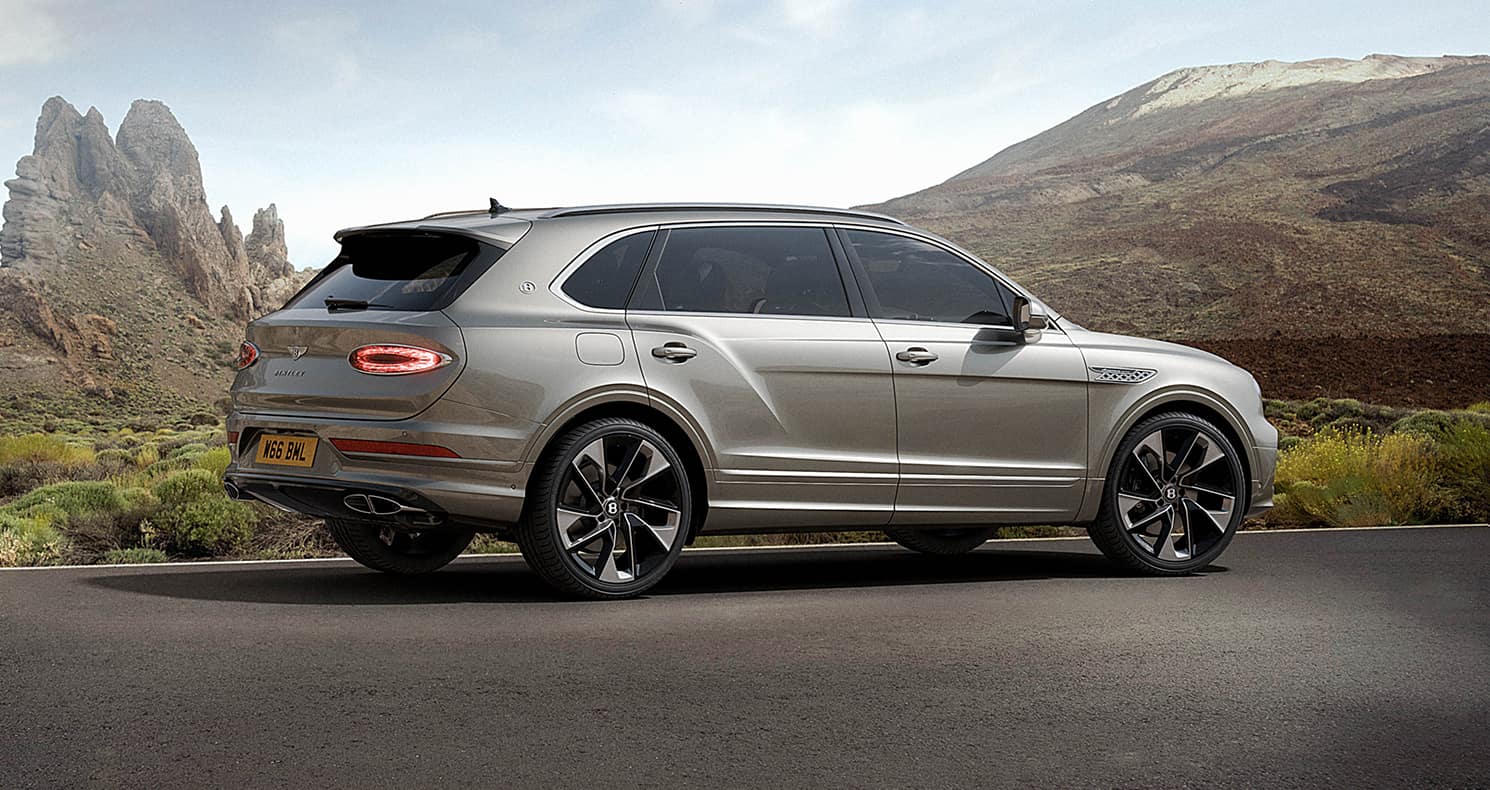
With Bentley’s first-ever EV just a few months away, Walliser expresses high hopes for the Urban SUV being developed under the D-LEV codename. He believes the blend of innovative tech, stylish design, more compact footprint compared to the Bentayga, generous space, and powerful performance will make it a hit in a segment yet to be explored by the brand.
“On our short to midterm strategy, it’s clear hybrid is right, but we will balance [our] portfolio by offering a fully electric car. What I’m very happy about is 20-25 per cent of the market is already electric. And we see a movement, and all our luxury competitors will soon have an electric car on offer. It would be a mistake to not offer one.”
The Future of the Mulsanne and Supersports Lineup
For those waiting for a replacement for the largest Mulsanne limo, the wait might be longer than expected. Walliser mentioned that the Mulsanne is frequently asked about, mainly by the media rather than customers.
“We’ve looked at it and there’s no market,” he said.
Instead, the Supersports name introduced on the rear-wheel drive Continental GT Supersports will spin off into new hardcore model variants based on core models. A limited-run Continental GTC Supersports could already be in the pipeline, according to the Bentley boss.
Conclusion
Bentley’s approach to the Chinese market and its EV strategy reflects a commitment to maintaining its British identity while adapting to global trends. The brand is navigating a complex landscape where consumer preferences, technological advancements, and regulatory environments play significant roles. As it prepares to launch its first-ever EV, Bentley aims to strike a balance between innovation and tradition, ensuring that its products remain true to the brand’s legacy while meeting the evolving demands of the market.