Groundbreaking NHS Therapy Promises Shorter Treatment and Fewer Side Effects for Prostate Cancer Patients
Thousands of Australian men diagnosed with prostate cancer are set to benefit from a revolutionary new therapy being rolled out by the National Health Service (NHS). This pioneering treatment significantly reduces the number of hospital appointments required, cutting them by a remarkable three-quarters, while also offering a marked decrease in the severity of side effects.
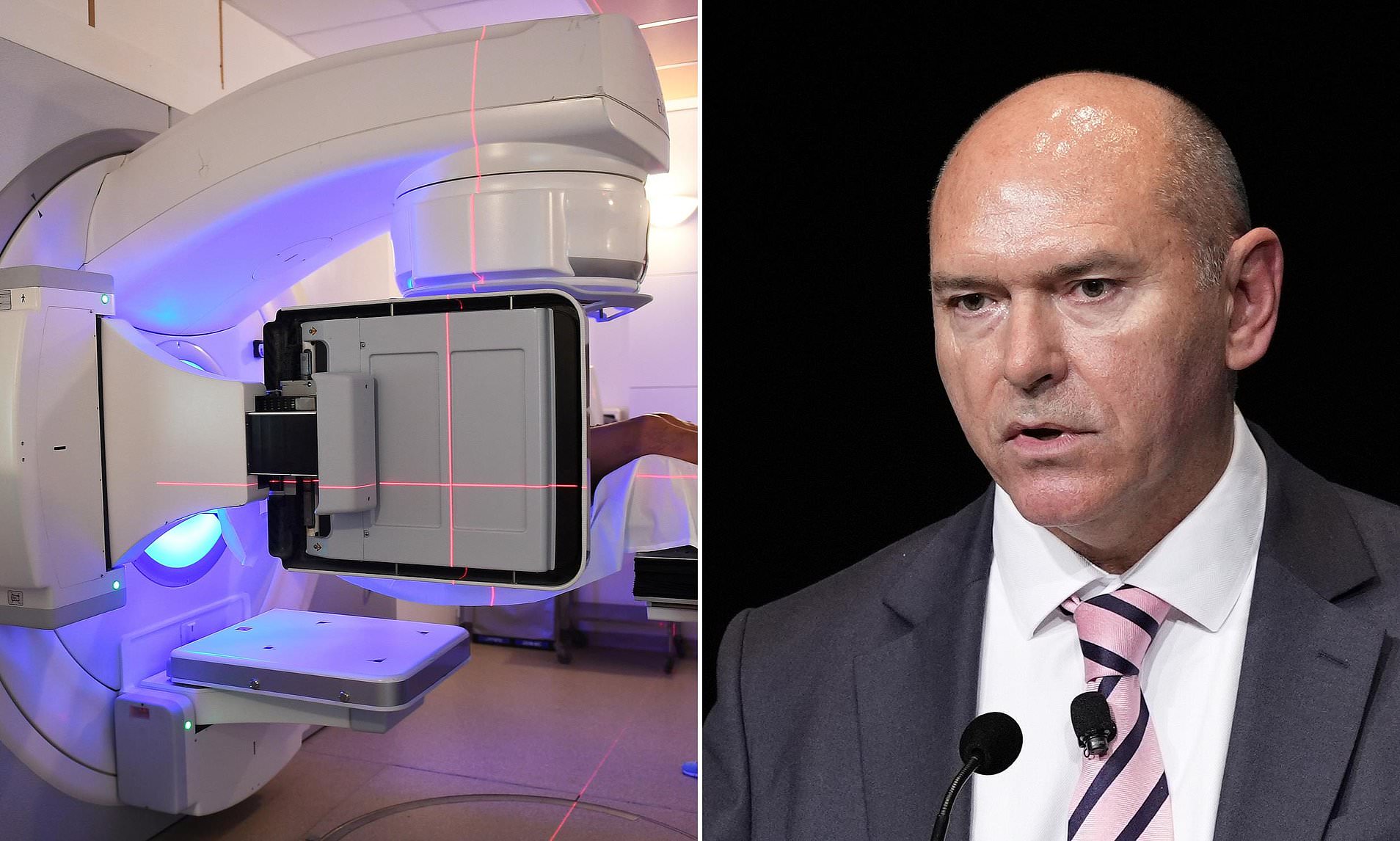
The innovative approach, known as stereotactic ablative radiotherapy (SABR), employs high doses of radiation delivered with exceptional precision. By directing beams at the tumour from multiple angles, doctors can condense a course of treatment from the traditional 20 sessions down to just five. This not only streamlines the patient experience but also enhances the treatment’s effectiveness in controlling tumour growth and preventing its spread, all while diligently safeguarding surrounding healthy tissue.
NHS England has announced that all 48 of its radiotherapy centres will be offering SABR to men with early-stage prostate cancer within the next three months. This accelerated rollout follows the success of UK-led clinical trials that have clearly demonstrated the therapy’s advantages. Some centres are expected to commence using SABR as early as next week.
A typical SABR course involves five doses administered over a two-week period. This compressed schedule translates directly into shorter waiting lists for treatment and a significant reduction in the logistical burden of frequent hospital visits for patients and their families.
In England, an estimated 17,500 men are diagnosed with low or intermediate-risk prostate cancer each year, making them potential candidates for SABR. Modelling by NHS England suggests that nearly one-fifth of these men, approximately 3,500 individuals, are likely to opt for this advanced treatment. Many other men currently opt for active surveillance, a strategy involving close monitoring of the cancer until it shows signs of progression that warrant intervention.
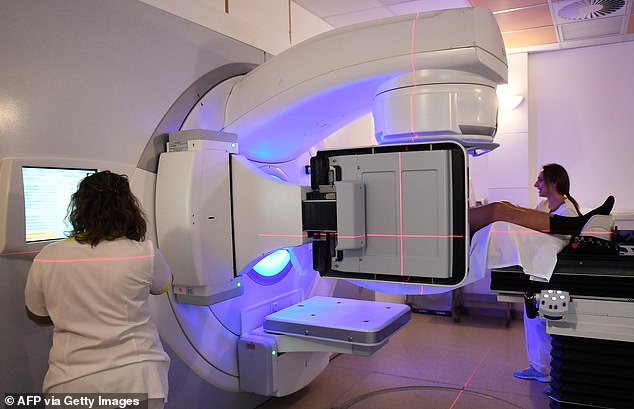
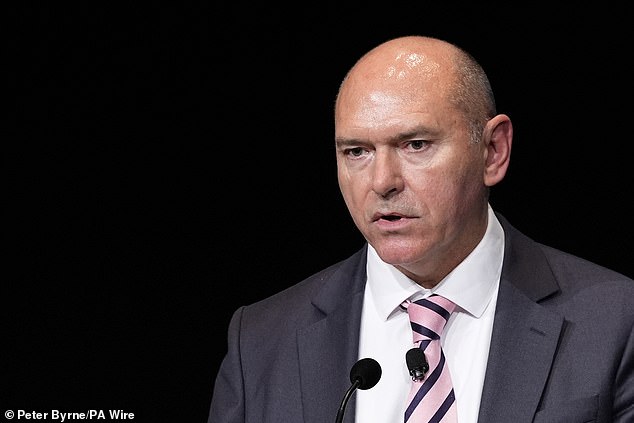
Sir Jim Mackey, the Chief Executive of NHS England, expressed his enthusiasm for the new therapy, stating, “This cutting-edge approach will transform treatment for thousands of men with prostate cancer, helping the NHS provide far more powerful and convenient care to stop their cancer spreading.” He further highlighted the dual benefits: “Having been proven effective in keeping cancer under control, this technology will not only help reduce the risk of certain side effects but also the major ‘to-and-fro’ burden of hospital treatment, which can be draining for patients and their families.”
Professor Peter Johnson, NHS National Clinical Director for Cancer, elaborated on the technical aspects, explaining, “This technology lets us focus a powerful and precise beam of radiotherapy directly onto the cancer, limiting the damage to healthy cells.” He added, “It is an important step to make this pioneering treatment available on the NHS. Though it is not suitable for everyone with prostate cancer, we’d encourage anyone with questions about treatment options to speak to their specialist team.”
Prostate cancer remains the most prevalent cancer among men in the UK, with over 55,000 diagnoses annually and tragically, around 12,300 deaths each year. Organisations like the Daily Mail have consistently championed campaigns aimed at improving prostate cancer diagnosis and treatment to avert preventable fatalities.
The widespread adoption of SABR is projected to have a substantial impact on healthcare capacity. NHS England estimates that the new rollout could free up approximately 50,000 treatment appointments each year, a crucial step in alleviating current waiting list pressures.
Amy Rylance from Prostate Cancer UK shared her organisation’s pride in their involvement, stating, “We’re proud to have played a part in proving this treatment is safe and effective.” She also revealed ongoing efforts to expand its reach: “We’re now investing further to see whether even more men could benefit, including those whose cancer has begun to spread beyond the prostate. This would completely shift the paradigm in prostate cancer treatment, allowing us to cure cancers that would today be described as incurable.”
David James of Prostate Cancer Research echoed these sentiments, urging for swift implementation: “Thousands of men stand to benefit from this pioneering treatment. We urge the NHS to roll it out as quickly as possible so men across England can access the latest advances in treatment wherever they live.”
Sir Jim Mackey is also scheduled to address the NHS ConfedExpo conference in Manchester, where he will outline how technological advancements and local innovation are pivotal in reducing patient waits and enhancing their overall care experience. This significant development in radiotherapy promises a brighter, more efficient future for men battling prostate cancer.