GSK’s Bold Oncology Push: A New Era Under Miels
The pharmaceutical giant GSK appears to be entering a transformative phase, with significant strategic shifts now evident following a period of internal restructuring. Under the previous leadership of Emma Walmsley, the company concentrated on streamlining its operations, notably divesting its consumer healthcare arm to sharpen its focus on core research and development, vaccines, and drug discovery.
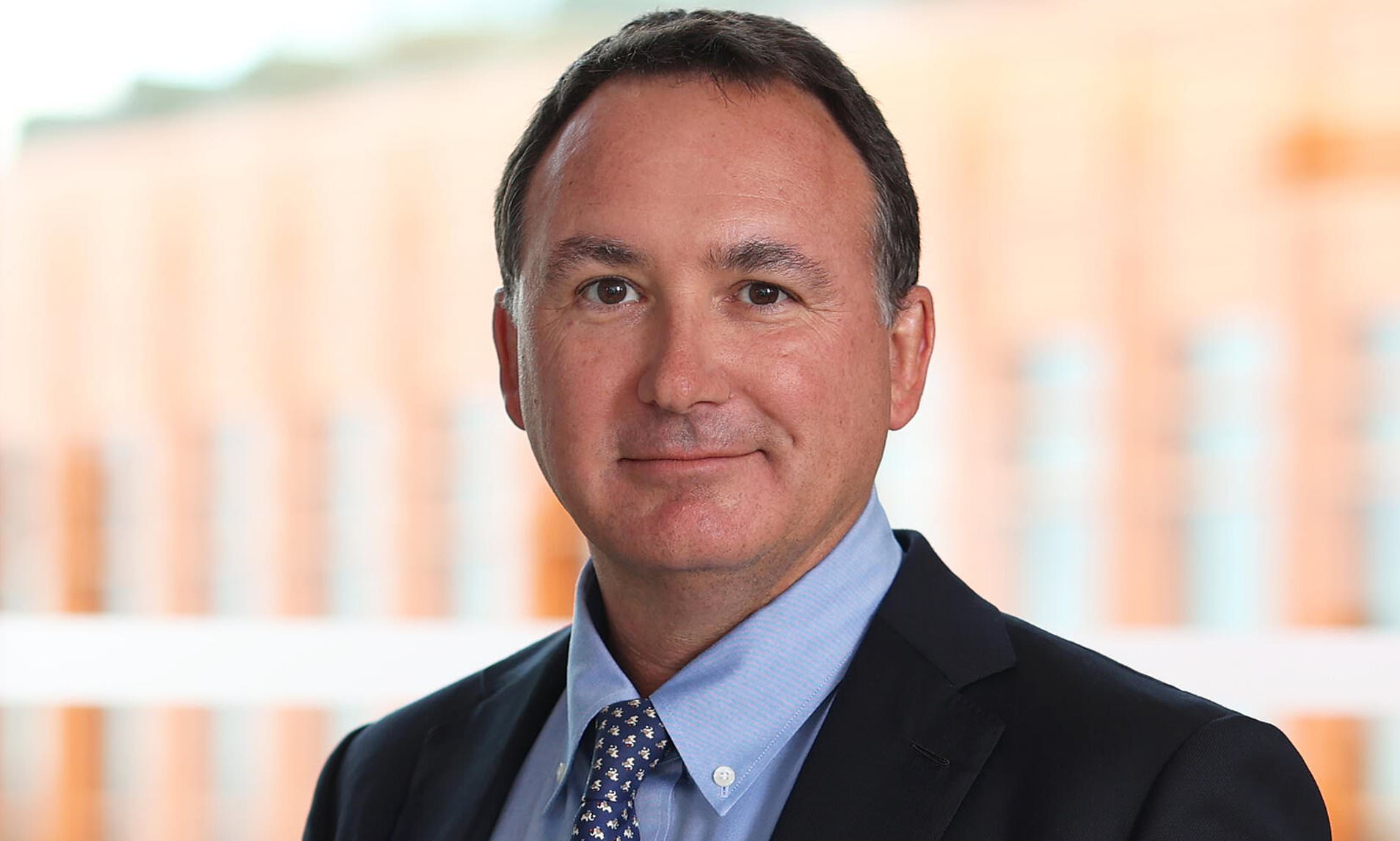
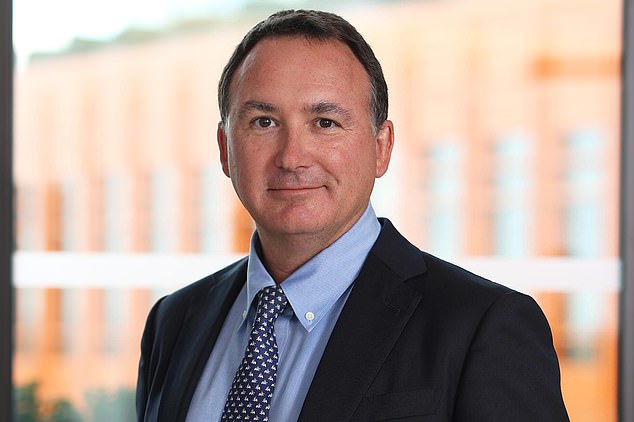
The appointment of Australian executive Luke Miels as chief executive marked a pivotal moment, signalling a clear change in direction. Miels, who previously served under Pascal Soriot at AstraZeneca, brings a wealth of experience and a renewed ambition to re-establish GSK as a formidable force in the oncology sector. His strategy also involves reinforcing the company’s established strengths in cardiovascular diseases and vaccines.
While initial expectations suggested Miels might prioritise GSK’s collaboration in China and pursue smaller, strategic acquisitions to bolster its oncology portfolio, he has opted for a more aggressive approach. The group has historically been perceived as lagging in oncology, a weakness stemming from an asset swap with Novartis a decade ago.
In a move that underscores his commitment to rapid advancement, Miels has orchestrated an £8 billion takeover of the US biotechnology firm Nuvalent. This acquisition, while challenging to evaluate purely on current financial metrics given Nuvalent’s lack of sales or profits, signals a decisive play for future market dominance. The hope is that Miels has identified a crucial opportunity to gain a significant advantage over competitors by acquiring a developer of second-line cancer therapies. Nuvalent possesses two promising compounds nearing US regulatory approval, both with the potential for blockbuster sales.
Miels’ confidence extends to GSK’s existing pipeline. He believes the company possesses significant, yet undervalued, assets in its new treatment for multiple myeloma, a type of blood cancer. Furthermore, GSK is optimistic about its prospects in treating lung, colorectal, and prostate cancers, leveraging its expertise in antibody-based therapies.
The company’s share price has faced headwinds, largely due to concerns surrounding the impending patent expirations of its HIV drug portfolio. Additionally, anti-vaccine sentiment in the United States has impacted demand for its Shingrix vaccine. Miels, a scientist with a pragmatic approach, played a critical role in safeguarding AstraZeneca from foreign acquisition a decade ago. He is now determined to revitalise GSK’s reputation as a leading innovator. His success is not only crucial for the company’s shareholders, including this writer, but also holds significance for the broader national interest.
The Unyielding Stance of Neil Woodford
Renowned investor Neil Woodford is showing no signs of backing down from a legal challenge initiated by the Financial Conduct Authority (FCA) against his Abu Dhabi-based advisory firm, W4.0. Woodford, who has never publicly apologised for the devastating collapse of his regulated fund management group, which left an estimated 300,000 investors significantly out of pocket, disputes the FCA’s claim that W4.0 is providing investment advice without the necessary authorisation.
Visitors to the W4.0 website, which features bold claims about Woodford’s perceived brilliance, might draw their own conclusions. Woodford’s defence hinges on the assertion that W4.0 was structured to operate outside the FCA’s regulatory oversight.
This argument echoes the circumstances surrounding the separate collapse of London Capital & Finance in 2019, which also occurred outside the FCA’s direct regulatory perimeter. Despite this, the FCA and its then-chief, Andrew Bailey, were inevitably drawn into the ensuing controversy.
Under the current leadership of Nikhil Rathi, the FCA appears to be demonstrating increased vigilance in protecting both UK and international investors from unscrupulous financial operators, regardless of whether they fall within or outside the regulatory framework.
BP Reorients Towards Drilling Amidst Shifting Priorities
Despite a vacancy in the chairman’s role, BP’s chief executive, Meg O’Neill, is actively pursuing a strategic reshaping of the global energy giant. While her predecessor, Bernard Looney, steered the company towards climate-focused objectives, O’Neill is unapologetically prioritising drilling activities.
Veteran executive Gordon Birrell has been appointed to lead the exploration and production division. There is a hope that Birrell might be able to persuade O’Neill and the government to maintain BP’s presence in the North Sea. Achieving this would likely necessitate government support, particularly from the Treasury, to alleviate punitive levies on Britain’s substantial domestic fossil fuel reserves.
The company’s downstream operations, encompassing refining, terminals, pipelines, and retail forecourts, are managed under separate leadership. This organisational structure offers political expediency, especially at a time when rising oil profits are attracting scrutiny from the Labour and Green parties. It reinforces BP’s argument that its upstream and downstream businesses are distinct entities, and that profits generated from exploration and production cannot be used to subsidise fuel prices without contravening competition law.
Investments in renewable energy sources, such as solar and offshore wind, are being consolidated into a separate technology offshoot. Should these ventures fail to meet profitability targets, it would facilitate their divestment.