
Revolutionary NHS Therapy Slashes Prostate Cancer Treatment Time and Side Effects
A groundbreaking new radiotherapy technique is set to transform the lives of thousands of Australian men diagnosed with prostate cancer. This innovative treatment, known as stereotactic ablative radiotherapy (SABR), dramatically reduces the number of hospital appointments required, cutting them by a staggering three-quarters and offering a significantly improved patient experience with fewer side effects.
The precision radiotherapy utilises higher doses of radiation, precisely targeting the tumour from multiple angles. This advanced approach allows clinicians to condense a standard course of 20 treatment sessions into just five. Beyond the convenience of fewer hospital visits, SABR has also demonstrated an enhanced ability to reduce the risk of tumours growing or spreading, all while meticulously sparing surrounding healthy tissue.
NHS England has announced that all 48 of its radiotherapy centres will be offering SABR to men with early-stage prostate cancer within the next three months. This accelerated rollout follows promising UK-led clinical trials that have underscored the substantial benefits of the treatment. Some centres are expected to commence SABR treatments as early as next week.
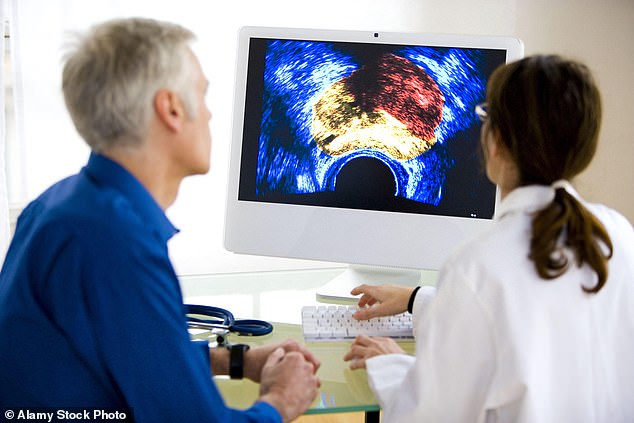
Typically, SABR is administered in five doses over a two-week period. This contrasts sharply with conventional radiotherapy, which often requires at least 20 doses spread over a longer duration. The reduction in treatment sessions not only helps to alleviate hospital waiting lists more rapidly but also significantly eases the burden on patients and their families, who are often faced with numerous inconvenient trips to hospital.
In England, approximately 17,500 men are diagnosed annually with low or intermediate-risk prostate cancer, making them potential candidates for SABR. Modelling by NHS England suggests that almost one-fifth of these men, equating to around 3,500 individuals, may opt for this advanced treatment. It’s important to note that many men with early-stage prostate cancer opt for active surveillance, a strategy where the cancer is closely monitored until there are signs it may pose a threat.
Sir Jim Mackey, chief executive of NHS England, highlighted the transformative impact of this new therapy. He stated, “This cutting-edge approach will transform treatment for thousands of men with prostate cancer, helping the NHS provide far more powerful and convenient care to stop their cancer spreading. Having been proven effective in keeping cancer under control, this technology will not only help reduce the risk of certain side effects but also the major ‘to-and-fro’ burden of hospital treatment, which can be really draining for so many patients and their families.”
Professor Peter Johnson, NHS national clinical director for cancer, elaborated on the technological advancements. “This technology lets us focus a powerful and precise beam of radiotherapy directly onto the cancer, limiting the damage to healthy cells – and the fact it can be delivered in 15 fewer doses will help men get back to living their lives far more quickly,” he explained. “It is an important step to make this pioneering treatment available on the NHS, following trials that were led by the UK. Although it is not suitable for everyone with localised prostate cancer, we’d encourage anyone with questions about their treatment options to speak to their specialist team.”
Prostate cancer remains the most prevalent cancer among men in the UK, with over 55,000 diagnoses each year and sadly, around 12,300 deaths annually.

The widespread adoption of SABR is projected to free up an estimated 50,000 appointments for prostate cancer treatment each year across the NHS, contributing significantly to the reduction of waiting lists.
Amy Rylance, director of health services at Prostate Cancer UK, enthusiastically welcomed the news. “It means men will go from needing 20 hospital trips in quick succession to just five, massively reducing the burden that cancer places on them and their loved ones,” she commented. “As the UK’s biggest public funder of prostate cancer research, we’re proud to have played a part in proving this treatment is safe and effective. We’re now investing further to see whether even more men could benefit, including those whose cancer has begun to spread beyond the prostate. This would completely shift the paradigm in prostate cancer treatment, allowing us to cure cancers that would today be described as incurable.”
David James, director of patient projects and influencing at Prostate Cancer Research, echoed these sentiments. “Thousands of men stand to benefit from this pioneering treatment,” he stated. “Delivering radiotherapy in just five sessions instead of twenty means less time in hospital, less disruption to family and working life, and faster access to effective care. We welcome this investment and urge the NHS to roll it out as quickly as possible so men across England can access the latest advances in prostate cancer treatment, wherever they live.”
Dr Nicky Thorp, vice-president for clinical oncology at the Royal College of Radiologists, expressed her delight at the expansion of SABR. “We’re delighted to see SABR rolled out to more eligible patients,” she said. “SABR is a method of accurately targeting radiotherapy to a tumour, which is typically used to treat very small tumours, and maximises radiation given to the tumour while minimising damage to healthy tissues. Compared to conventional radiotherapy, patients need fewer sessions and therefore fewer hospital visits, and they experience reduced side effects, all of which can improve their quality of life.” She added, “In the National Cancer Plan published earlier this year, the government committed to improving access to cutting-edge cancer treatments across England. We hope to see them continue to make this world-class type of radiotherapy more widely available to patients who could benefit from it.”
- Sir Jim Mackey is scheduled to deliver a speech at the NHS ConfedExpo conference in Manchester, where he will outline how technology and local innovation can contribute to reducing waiting times and enhancing patient experiences.