
Breakthrough in Sun Protection: New Ingredient Finally Available in the US After Two Decades
For the first time in more than 25 years, the United States is set to receive a new sunscreen ingredient, marking a significant advancement in skin protection for Americans. This chemical compound, already a staple in European and other global markets, has finally met the stringent standards set by the US Food and Drug Administration (FDA).
The newly approved ingredient, known as bemotrizinol, has been deemed safe and effective by the FDA, demonstrating its ability to shield against harmful ultraviolet (UV) rays with minimal irritation and absorption into the skin. The agency has given the green light for its use in products suitable for both adults and children as young as six months old.
Initially, consumers will encounter bemotrizinol under the brand name Parsol Shield, manufactured by the Dutch company DSM Nutritional Products. A launch is anticipated later this year. Following an 18-month exclusivity period for the initial manufacturer, other cosmetic companies will be free to incorporate this innovative ingredient into their own sunscreen formulations.
Bridging the Gap in American Sunscreen Technology
The journey for new sunscreen ingredients to reach the American market has historically been a protracted one. Decades of complex regulatory processes within the FDA for updating its list of approved over-the-counter drug ingredients have led to a significant lag compared to international standards. Bemotrizinol’s approval is particularly noteworthy as it benefited from a more streamlined authorisation pathway, a process revamped by Congress in 2020.
Experts believe bemotrizinol will fill a critical void in the US market. It offers comprehensive protection against both ultraviolet A (UVA) and ultraviolet B (UVB) rays. This dual protection is a key advantage, as many existing chemical sunscreens in the US either focus on one type of UV ray or rely on mineral-based alternatives that can leave an undesirable chalky white residue on the skin.
David Andrews from the Environmental Working Group highlighted this disparity, stating, “For decades, Americans have used outdated sunscreen technology while the rest of the world moved forward. The approval of bemotrizinol will help change that.” His organisation has been a vocal advocate for the FDA to enhance its sunscreen regulations and expedite the introduction of new, advanced ingredients.
Understanding UV Rays and Sunscreen Protection
It’s crucial to understand the different types of UV radiation and how sunscreens protect us.
- UVB Rays: These are the primary culprits behind sunburn. While uncomfortable, their long-term effects can also contribute to skin damage.
- UVA Rays: These penetrate deeper into the skin and are strongly linked to premature ageing, including wrinkles, and are considered the greatest risk factor for skin cancer.
Current FDA regulations mandate that all sunscreens sold in the US must offer protection against both UVA and UVB rays to be labelled as “broad spectrum.” However, many existing chemical filters are effective against only one type of ray, requiring manufacturers to blend multiple ingredients to achieve the necessary comprehensive protection.
Mineral-based sunscreens, featuring ingredients like zinc oxide and titanium dioxide, excel at physically blocking both UVA and UVB rays. Their main drawback, however, is the tendency to leave a visible white cast on the skin, which many users find aesthetically unappealing.
A Long Road to Approval
Bemotrizinol’s journey to American shelves has been a long one. It first received authorisation from European regulatory bodies back in 1999. The ingredient was then submitted to the FDA for review as early as 2005, underscoring the lengthy evaluation process it has undergone.
Dr. Mike Davis, acting director of the FDA’s drug centre, affirmed the agency’s commitment to consumer access, stating, “The FDA is committed to ensuring the American consumer has access to the most effective and safe therapies, including over-the-counter products like sunscreens.”
The FDA has been making gradual improvements to its sunscreen oversight. In 2011, the agency took steps to eliminate misleading terms like “waterproof” and enforced the requirement for all sunscreens to provide protection against both UVA and UVB rays, a significant shift from older formulations that sometimes only addressed UVB.
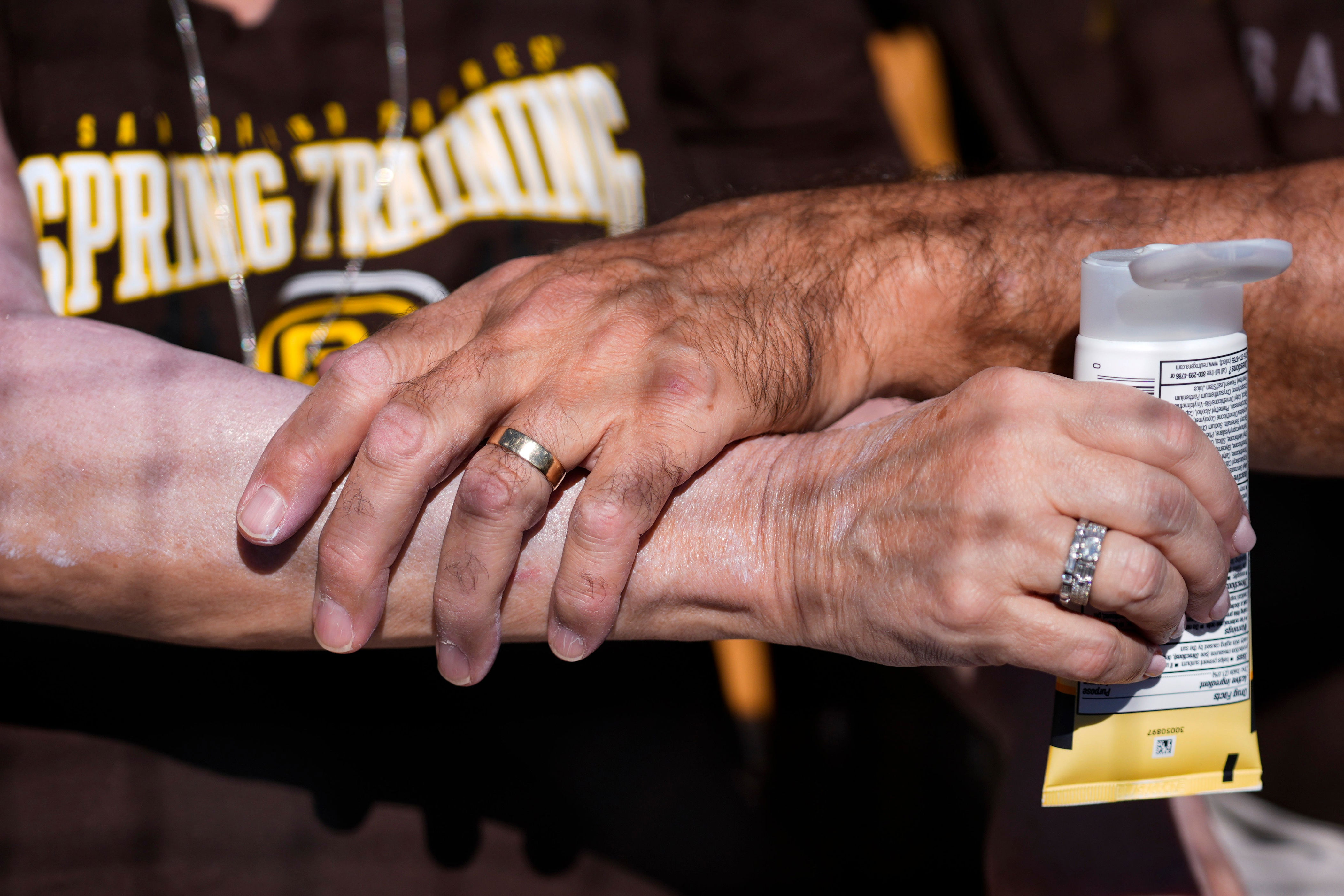
Further proposed changes were put forth by the FDA in 2021, aiming to cap SPF (Sun Protection Factor) numbers and mandate more robust UVA protection. However, these initiatives are still pending finalisation. The arrival of bemotrizinol represents a concrete step forward in providing Americans with more advanced and effective options for safeguarding their skin against the sun’s damaging rays.