The Growing Crisis: Australians Left Stranded in Hospitals Awaiting Care
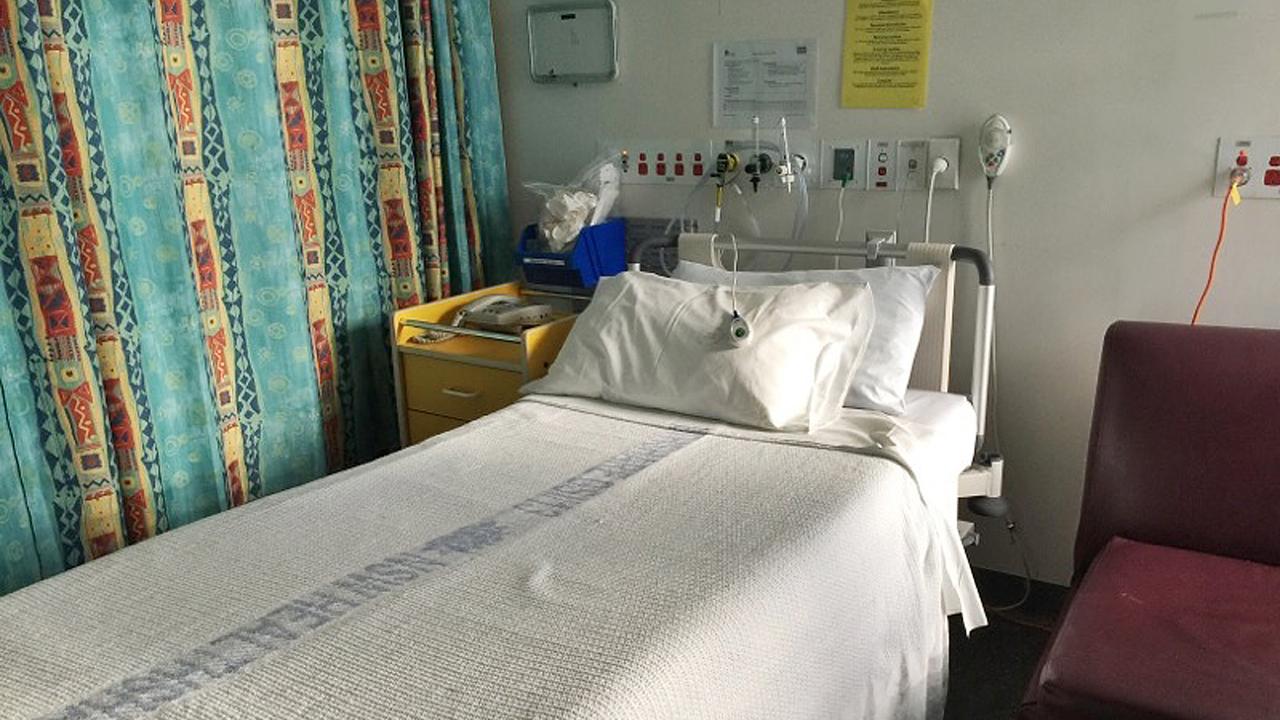
A significant and worsening crisis is unfolding across Australia’s healthcare system, with an alarming number of vulnerable individuals finding themselves “stranded” in hospital beds while they await essential disability and aged care services. This growing bottleneck is not only straining hospital resources but is also leading to sharp criticism from state governments directed at federal inaction.
New South Wales, in particular, is grappling with unprecedented pressure on its hospital system. Data from the state’s Bureau of Health Information reveals that hospital bed occupancy rates reached a staggering all-time high during the 2024-25 period, averaging nearly 95 per cent. This near-total capacity is a clear indicator of the system operating at its absolute limit.
The crux of the problem lies in the escalating number of patients who are medically ready for discharge but remain in hospital because the necessary aged care or National Disability Insurance Scheme (NDIS) placements are not yet available. Between March 2025 and March 2026, the number of these “stranded” patients surged dramatically, climbing from 871 to a concerning 1276.
A Sharper Rise in Aged Care Delays
The figures for aged care patients are particularly stark. Over the same twelve-month period, the number of individuals waiting for residential aged care placements in NSW jumped from 597 to 948. This represents a significant increase and highlights a critical failure in the timely provision of essential services for older Australians.

Further analysis of the data paints a grim picture of the extended stays these patients are experiencing. Between 2017-19 and 2023-24, the average length of stay for patients discharged to residential aged care in NSW grew by an astonishing 8.5 days, increasing from 18.6 days to 27.1 days. This means individuals are spending almost a full extra week in hospital, occupying a bed that could otherwise be used for acute care.
State Governments Bear the Brunt
NSW Health Minister Ryan Park has been vocal in his criticism of the federal government’s role in this unfolding crisis. He argues that the state is effectively subsidising federal responsibilities, bearing the cost and burden of delays in aged care and NDIS service delivery.
“The growth in the number of stranded Commonwealth aged care patients in our health system is unsustainable, and the Commonwealth has left the NSW government with no choice but to devise its own plan,” Mr Park stated forcefully. He emphasised that NSW’s initiative is not a signal that the Commonwealth is absolved of its duties, but rather a necessary measure to address an urgent problem.
NSW’s Proactive Strategy
In response to the escalating situation, NSW has launched its own strategy aimed at alleviating the “bed block” crisis. This multi-pronged approach includes:
- Expanding Outreach Services: Efforts will be made to intervene earlier and prevent hospitalisations by connecting individuals with appropriate community services before they require acute care.
- Improved Triage and Referral: Streamlining the process of assessing patients and referring them to the correct support services, whether in the community or residential care.
- Strengthening Hospital-in-the-Home Services: Enhancing the capacity of programs that allow patients to receive hospital-level care in the comfort of their own homes, freeing up valuable hospital beds.
Mr Park highlighted the significant investment NSW has made in areas traditionally falling under Commonwealth jurisdiction, such as geriatric outreach, hospital-in-the-home programs, virtual care, and urgent care services. “We as a state have invested heavily into areas traditionally the Commonwealth’s,” he remarked. “You’ve got a growth in the number of people coming into your hospitals, and you’re heading into winter, you would forgive me for being concerned.”
A National Problem
The challenges faced by NSW are not isolated. Other states and territories are also experiencing similar pressures. South Australia, for example, has established a temporary transition care service in a hotel to accommodate elderly patients who no longer require hospital treatment but cannot access federal aged care services.

In January, a meeting of the national cabinet saw an agreement for an additional $25 billion in Commonwealth funding for hospitals to be distributed across states and territories. However, the impact of this funding on the immediate crisis remains to be seen.
Earlier in February, state and territory health ministers revealed that more than 3000 people were stranded in public hospitals nationwide, awaiting aged care placements. A report from that time indicated a 30 per cent surge in aged care patients occupying hospital beds without a medical necessity over a five-month period. This report directly linked the issue of bed-blocking to prolonged waiting times in emergency departments, a critical indicator of system strain.
Despite the broader concerns, recent data from the NSW health bureau, released on Wednesday, shows that emergency department wait times between January and March 2026 remained relatively stable compared to the previous year. However, this stability occurs against the backdrop of an unprecedented bed occupancy crisis, suggesting the system is under immense pressure to maintain even these levels. The underlying issue of patients stranded in hospital awaiting care continues to be a significant concern for the sustainability of Australia’s healthcare system.