
Eggs: A Dietary Revolution for Australian Babies and a Drop in Allergy Rates
For generations, the humble egg has been lauded as a nutritional powerhouse, a true “nature’s multivitamin.” Whether enjoyed boiled, fried, scrambled, or baked into a delightful treat, its versatility is matched only by its health benefits. However, for parents of young children, the journey of introducing this common food has been fraught with caution. Historically, advice dictated keeping potentially allergenic foods, including eggs, away from infants, especially those with a family history of allergies, until they reached one to three years of age. This approach was rooted in a desire to minimise the risk of developing severe allergic reactions.
A Paradigm Shift in Infant Feeding Guidelines
A significant turning point in this dietary guidance occurred about a decade ago. The prevailing advice underwent a dramatic overhaul, shifting from avoidance to early introduction. Parents were now encouraged to introduce allergenic foods, such as eggs, into their baby’s diet by the age of six months, rather than delaying until much later. This change, championed by health professionals, was a departure from established norms and was met with both anticipation and apprehension.
Groundbreaking Research Reveals a Declining Trend
Now, groundbreaking research from the University of Queensland’s Child Health Research Centre has provided compelling evidence that this revised approach is yielding remarkable results. A comprehensive study involving a staggering 72,000 Australian children, published in the esteemed journal JAMA Pediatrics, has uncovered a significant decline in the prevalence of egg allergy among infants. The findings indicate a drop of more than 17 per cent in egg allergy rates since the implementation of the new feeding guidelines.
Professor Jennifer Koplin, the lead author of the study, described the shift in advice as a “big change from the advice that was out there previously.” She expressed her satisfaction that this proactive approach appears to be “paying off.” Professor Koplin highlighted the practical wisdom behind the new recommendations, suggesting that “It’s good to prioritise things that are already part of the family’s diet, so the sorts of foods that you’re eating more often at home anyway.” This suggests a move towards integrating new foods seamlessly into existing family meal patterns.
Beyond Eggs: A Broader Approach to Allergy Prevention
The updated recommendations extend beyond just eggs. Parents are now advised to consider introducing other common allergy-inducing foods, such as cow’s milk, fish, and tree nuts, into their child’s diet before their first birthday. This comprehensive strategy aims to build tolerance to a range of potential allergens from an early age.
Professor Koplin emphasised the significance of their findings, stating, “To our knowledge, this is the first study to show a population-level reduction in egg allergy after the introduction of new infant feeding guidelines.” This assertion underscores the pioneering nature of their research and its potential impact on global infant feeding practices.
Personal Accounts: Living with Severe Allergies
The challenges faced by individuals with severe food allergies remain a stark reality. Bella Keegan, a 22-year-old Queenslander, lives with five severe allergies, including to eggs. She shared the life-threatening nature of her reactions, explaining, “I can pass away from eating egg. My throat closes up, I get rashes, I stop breathing.” Her daily life is a constant exercise in vigilance, requiring meticulous attention to ingredient lists on all packaged foods.
Keegan’s allergies also extend to nuts, crustaceans, pawpaw, and oranges, a reality that significantly complicates eating out and socialising. “You literally have to read every ingredient on anything you buy at the shop,” she explained. Despite her personal struggles, Keegan expressed profound hope for future generations, stating, “The less people that have to go through this and worry about this and worry about their lives every single time they eat out, I think, I think is incredible.” Her words encapsulate the desire for a future where food allergies are less prevalent and less life-limiting.
The Study’s Methodology: A Comparative Analysis
The research team meticulously designed their study to compare allergy rates before and after the guideline changes. They examined two distinct cohorts of infants, aged between 11 and 15 months, who attended immunisation clinics in Melbourne. The first group had their immunisation visits between 2007 and 2011, a period predating the updated Australian guidelines. The second group was assessed between 2018 and 2019, after the new recommendations had been in place.
Parents from both groups completed detailed questionnaires regarding their infants’ dietary habits, and the infants underwent testing for egg allergy. The researchers then conducted a thorough analysis, focusing on the age at which each infant was introduced to eggs and the subsequent prevalence of egg allergy within each group.
Encouraging Results: Parental Adherence and Allergy Reduction
Professor Koplin revealed the team’s initial hopes: “We began this study hoping to see a reduction in egg and other food allergies after the introduction of the 2016 guidelines. However, we were unsure to what extent parents would adopt these recommendations, or whether this would translate into a measurable reduction in food allergy.”
The study’s findings were not only positive but also exceeded expectations. “We were therefore encouraged to find that most parents had followed the new guidelines, and importantly, that this was associated with a clear reduction in egg allergy,” Professor Koplin stated.
The data painted a clear picture of increased early egg introduction. The proportion of infants introduced to eggs by six months of age more than doubled, rising from approximately 25 per cent in the pre-guideline group (2007-2011) to around 57 per cent in the post-guideline group (2018-2019).
Crucially, this shift in feeding practices directly correlated with a decrease in egg allergy. The prevalence of egg allergy fell from 9.2 per cent in the earlier group to 7.6 per cent in the later group, representing a significant relative decrease of 17.7 per cent.
Eczema and Early Introduction: A Deeper Dive
The study also explored the impact of early introduction on infants with a known risk factor for food allergies: eczema. Eczema, a chronic skin condition, is often associated with an increased likelihood of developing food allergies. The researchers found that similar positive trends emerged within this specific subgroup. In infants with early eczema, the prevalence of egg allergy saw a substantial reduction, dropping from 34.6 per cent to 21.9 per cent.
Understanding Egg Allergy and Safe Introduction Practices
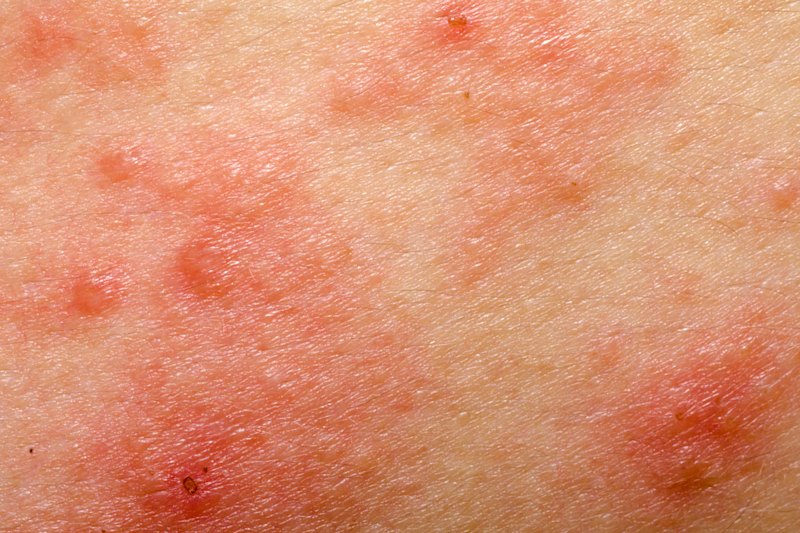
Egg allergy is a common concern among children, although many tend to outgrow it by the age of 16, with its prevalence decreasing further in adulthood. For those with egg allergy, the immune system mistakenly identifies proteins in egg whites or yolks as harmful invaders, triggering an allergic response. These reactions can range from mild symptoms like hives and respiratory issues to severe and life-threatening anaphylaxis, which can lead to airway closure.
While the benefits of early egg introduction are becoming increasingly clear, health professionals stress the importance of ensuring infants are developmentally ready to safely consume solid foods. Key indicators include:
- Head and Neck Control: The infant can control their head and neck movements.
- Open Mouth Reflex: They open their mouth when food is offered.
- Sitting Ability: They can sit up independently or with support.
- Hand-to-Mouth Action: They bring objects to their mouth.
- Swallowing Cues: They exhibit clear signs of swallowing food.
Parents are also strongly advised to monitor their children for any signs of allergic reactions after introducing new foods. Open communication with a child’s General Practitioner (GP) is paramount to discuss the appropriate timing and methods for introducing solid foods and to address any concerns regarding allergies. This collaborative approach ensures that infants can safely explore the diverse world of food, paving the way for a healthier future.