Mitsubishi Revives Iconic Eclipse Nameplate for New Electric Hatchback
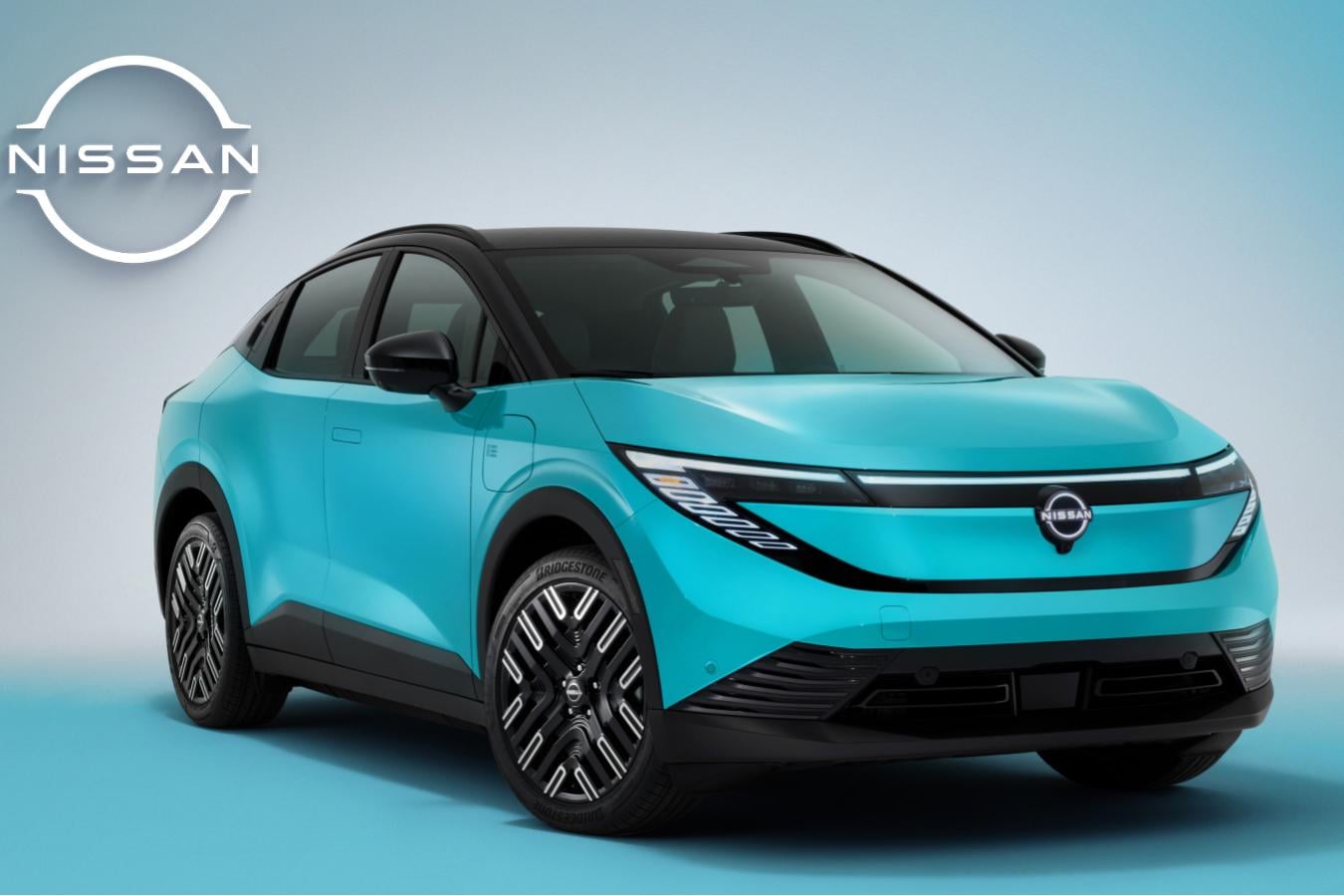
Purists might want to look away, as Mitsubishi has resurrected the legendary Eclipse nameplate for a second time. However, this new iteration is a far cry from the sporty coupes that once defined the moniker. Instead, the Japanese automaker has unveiled the Eclipse Sportback EV, a vehicle that is, perhaps surprisingly, based on the well-regarded new-generation Nissan Leaf.
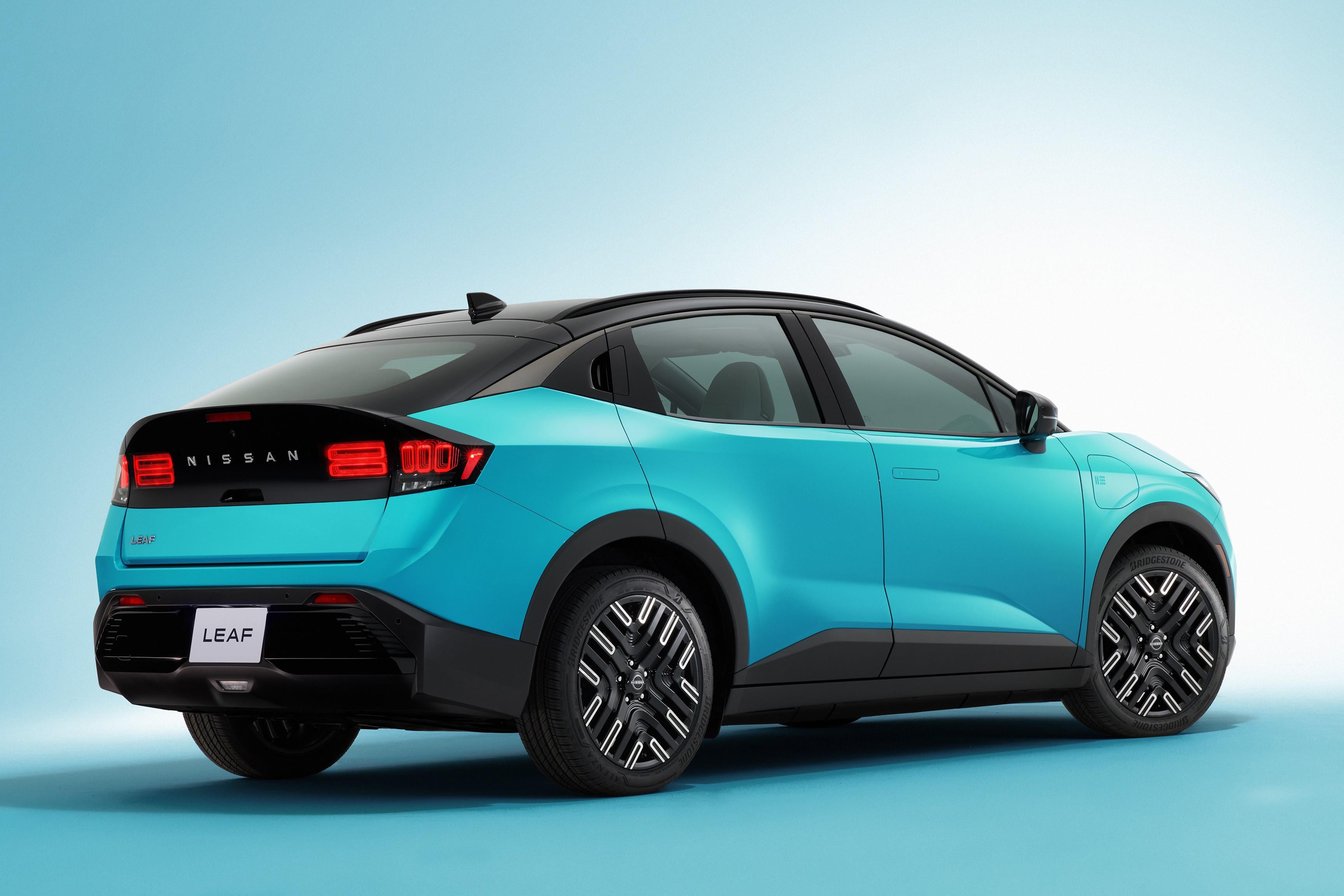
Mitsubishi has been open about this collaboration, acknowledging the Leaf’s underpinnings for their new electric offering. This strategic move allows Mitsubishi to quickly bolster its electric vehicle (EV) portfolio, particularly in markets where developing a bespoke EV platform would be a significant undertaking.
Exterior Enhancements: A Distinctive Mitsubishi Touch
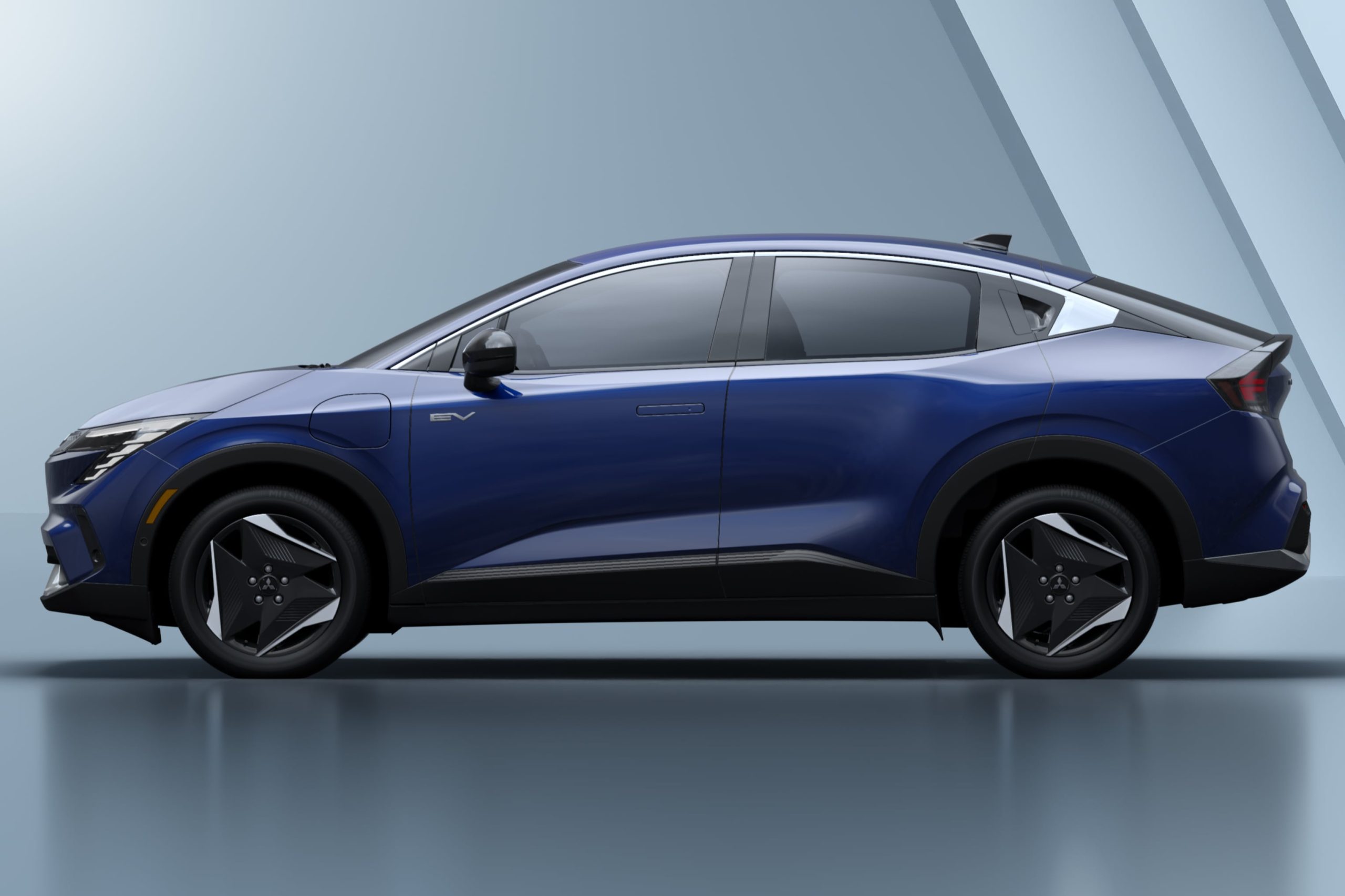
While sharing its core architecture with the Nissan Leaf, the Eclipse Sportback EV sports a unique visual identity. The front fascia has been redesigned with crisper lines and a sharply rectangular lower air intake that projects forward. The lighting graphics have also been restyled, and a faux grille, featuring vertical 3D slats, sits prominently between the headlights, giving the car a distinct Mitsubishi face.
Along the sides, key differentiators are immediately apparent. A prominent arc of chrome elegantly traces the upper edge of the windows, adding a touch of sophistication. Large ‘EV’ badging adorns the front doors, clearly signalling the vehicle’s electric powertrain. Redesigned alloy wheels further contribute to the model’s unique aesthetic.
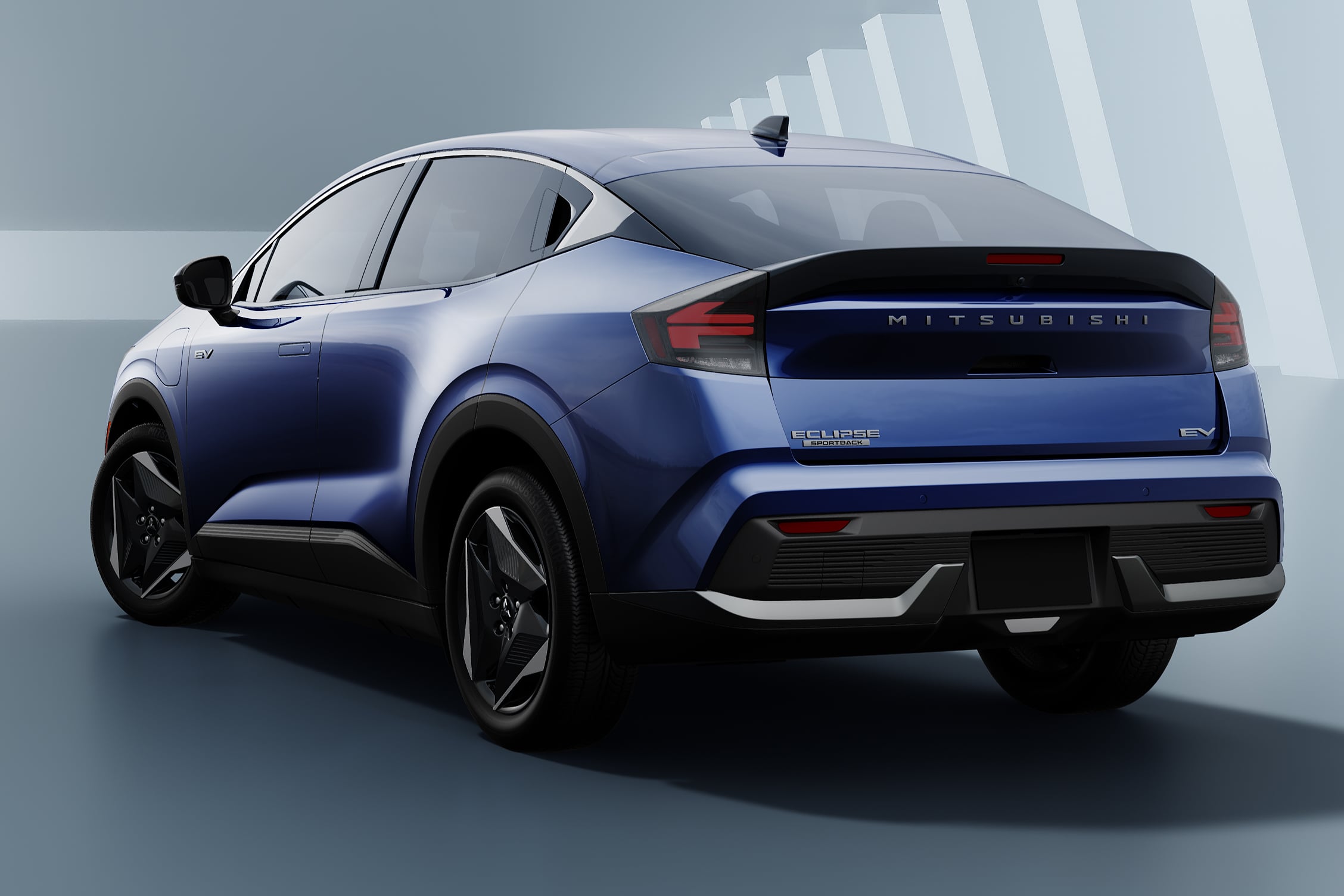
The rear of the Eclipse Sportback EV also receives a significant makeover. The restyled bumper features a sharp, inverted U-shaped graphic and a more pronounced diffuser-style insert, enhancing its sporty appeal. A colour-coded stretch of plastic bridges the redesigned tail-lights, which now boast updated internal graphics.
Powertrain and Range: Leveraging Proven EV Technology
The new Eclipse Sportback EV is slated for a US market launch in the second half of 2026. Details regarding pricing and specific specifications for other markets are yet to be confirmed. However, it’s highly probable that the mechanicals will closely mirror those of the Nissan Leaf, a proven and popular electric vehicle.
Globally, the Nissan Leaf is offered in two front-wheel-drive configurations:
- Standard Model: This variant is equipped with a 130kW/344Nm electric motor. It is powered by a 52kWh battery, offering a claimed WLTP range of 436km. DC fast-charging capability for this model tops out at 105kW.
- Long-Range Variant: For those requiring greater autonomy, this version boasts a more potent 160kW/354Nm front motor and a larger 75kWh battery pack. It supports DC fast-charging at speeds up to 150kW and delivers an impressive WLTP range of 604km.
A Storied Nameplate: The Eclipse’s Evolution
The original Mitsubishi Eclipse, launched in 1989, was a celebrated three-door sports coupe primarily designed for the North American market. Manufactured at the Illinois factory that now belongs to Rivian, the Eclipse was also known in North America under badge-engineered versions like the Eagle Talon and Plymouth Laser. Subsequent generations saw further evolution, with some models being rebadged as the Chrysler Sebring and Dodge Stratus.
After four generations, production of the Eclipse concluded in 2012. The nameplate was later revived in 2018 for the Eclipse Cross, a compact SUV positioned between the ASX and Outlander.
Mitsubishi’s Strategic Partnerships in a Global Market
In recent years, Mitsubishi has increasingly relied on its alliance with Renault to expand its vehicle offerings, particularly in the European market. This strategy has resulted in several rebadged models, including the Colt (based on the Renault Clio), the ASX (based on the Renault Captur), and the Grandis (based on the Renault Symbioz).
Interestingly, the Renault-based ASX is now being sold in Australia. This development followed the withdrawal of the Mitsubishi-developed ASX model from the Australian market due to non-compliance with local design standards. The Eclipse Sportback EV’s arrival, leveraging Nissan technology, further underscores Mitsubishi’s strategy of utilising group resources to navigate the evolving automotive landscape and meet diverse market demands.