Chinese Carmakers Surge as Established Brands Face Sales Slump
The Australian automotive landscape is undergoing a dramatic shift, with Chinese car manufacturers experiencing phenomenal growth while some of the industry’s most recognisable names are battling significant sales declines. Fresh sales data, compiled up to the end of May, reveals a clear surge in popularity for brands like BYD, Chery, GWM, and Geely, signalling a changing tide in consumer preference.
In a market that typically hovers around the 1.1 to 1.2 million vehicle sales mark annually, this substantial growth from Chinese marques inevitably means other carmakers are feeling the pinch. The brands experiencing the most noticeable downturns so far in 2026 are some of the long-standing players in the Australian market.
The Rise of the East: Chinese Brands Ascend
The numbers paint a compelling picture of the growing influence of Chinese automotive brands on Australian soil:
- BYD: A remarkable 120 per cent increase in sales.
- Chery: A solid 84 per cent jump in sales.
- GWM: Showing steady progress with a 23 per cent rise.
- Geely: Achieving an extraordinary 629 per cent surge in sales, indicating a significant breakthrough for the brand.
This rapid ascent is largely attributed to Chinese manufacturers offering compelling value, advanced technology, and increasingly stylish designs, particularly in the highly competitive SUV and electric vehicle segments.
Established Brands Under Pressure
Conversely, several well-established brands are facing considerable sales challenges. The reasons are varied, ranging from model line-up changes and a lack of new offerings to intense competition from the emerging Chinese players.
Nissan: Slipping Down the Rankings
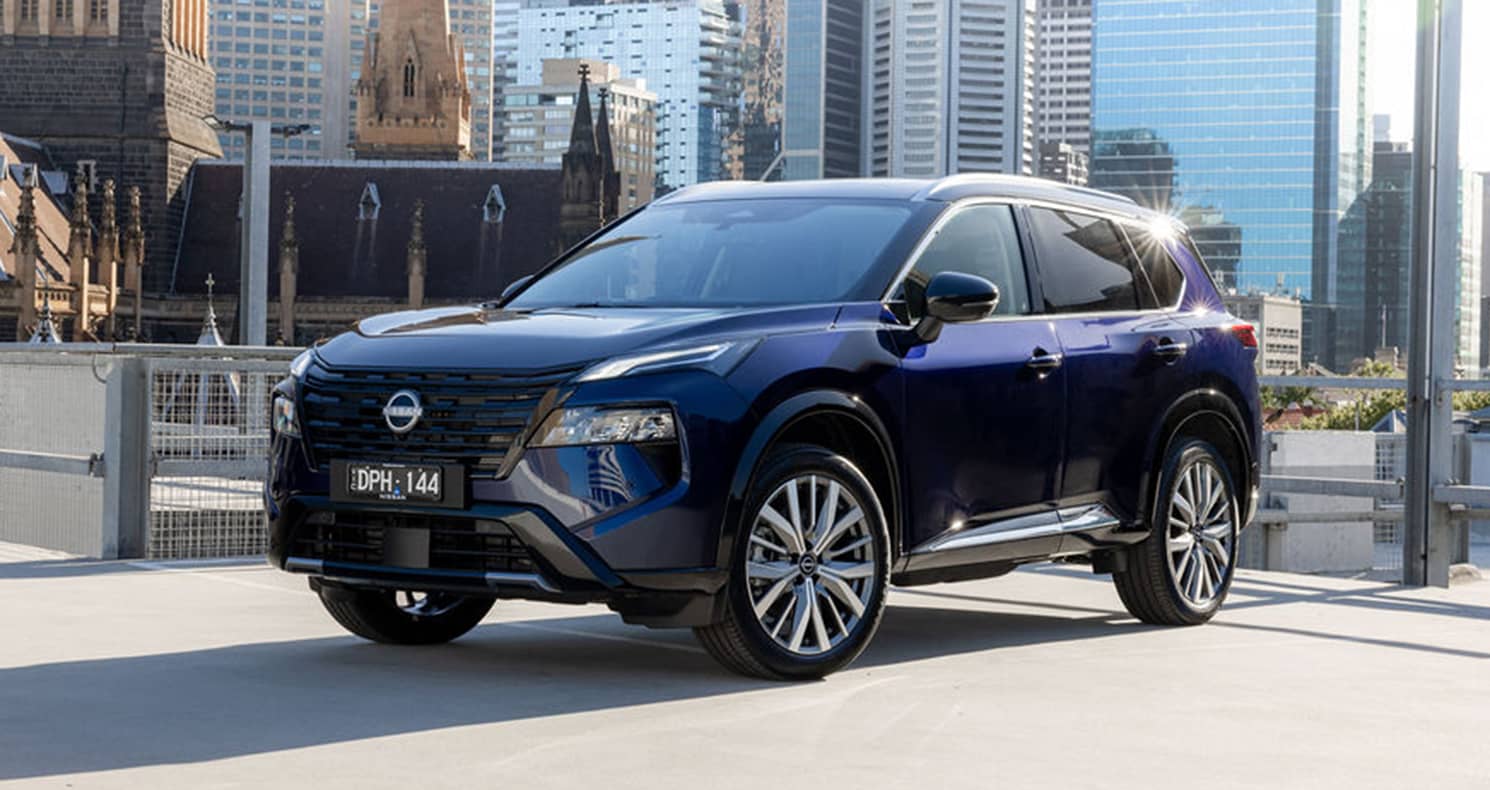
Nissan has seen a significant downturn, with sales declining by 32.8 per cent. The Japanese brand has fallen out of the top 10 best-selling manufacturers, a position it has historically held. This decline is not confined to a single model; it’s a widespread issue affecting Nissan’s entire range. Even the usually strong performer, the X-Trail, has experienced a 15.3 per cent drop in sales during the first five months of the year.
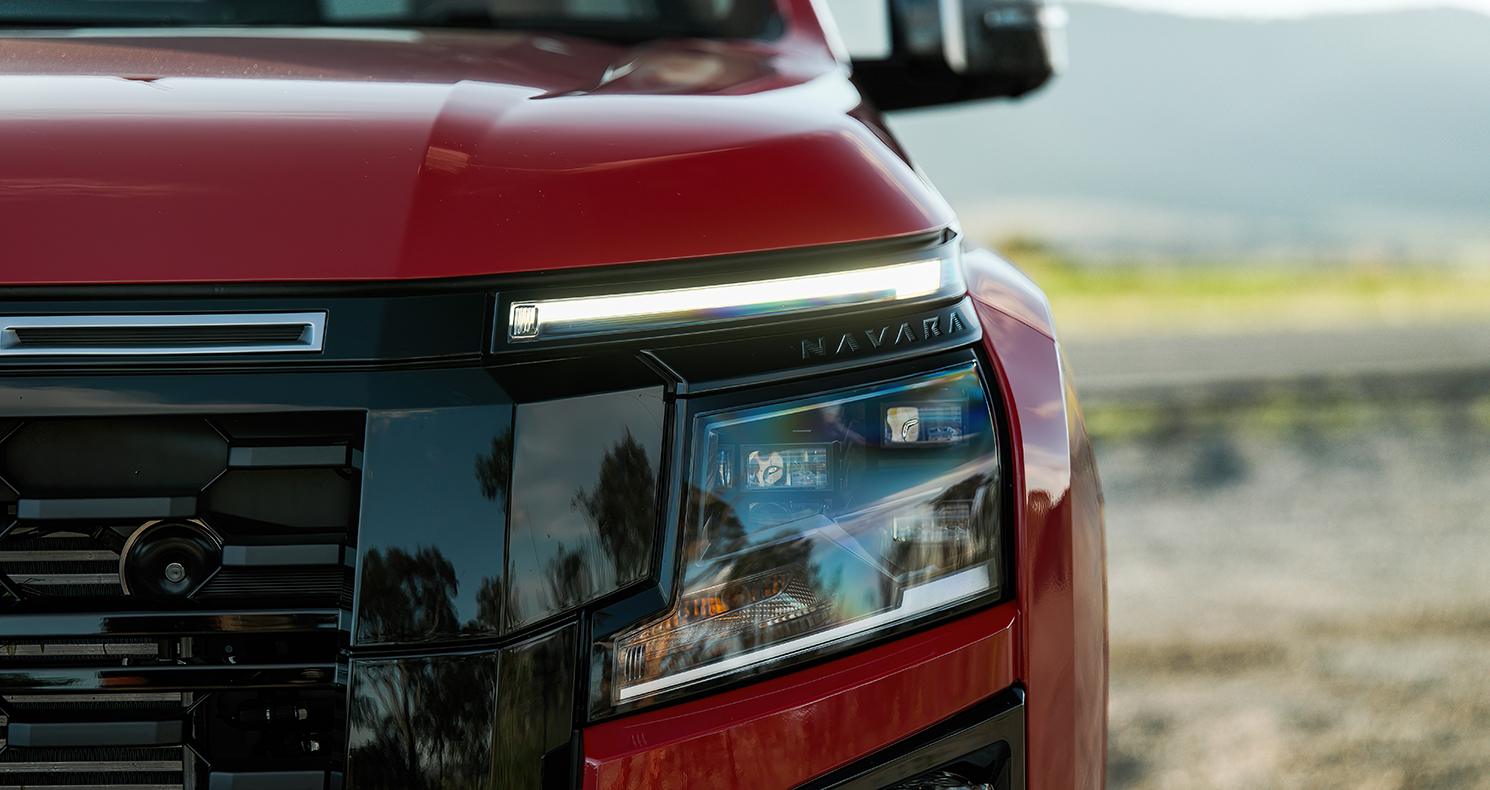
While the discontinuation of popular models like the Juke and Pathfinder might have contributed, these vehicles were already struggling to attract buyers. The hope for a turnaround lies with the arrival of the new Navara and the much-anticipated new-generation Patrol, which are expected to bolster sales in the latter half of the year. Furthermore, Nissan is banking on its range of new hybrid ‘e-Power’ models to inject new life into its line-up.
Mitsubishi: Navigating a Changing Market
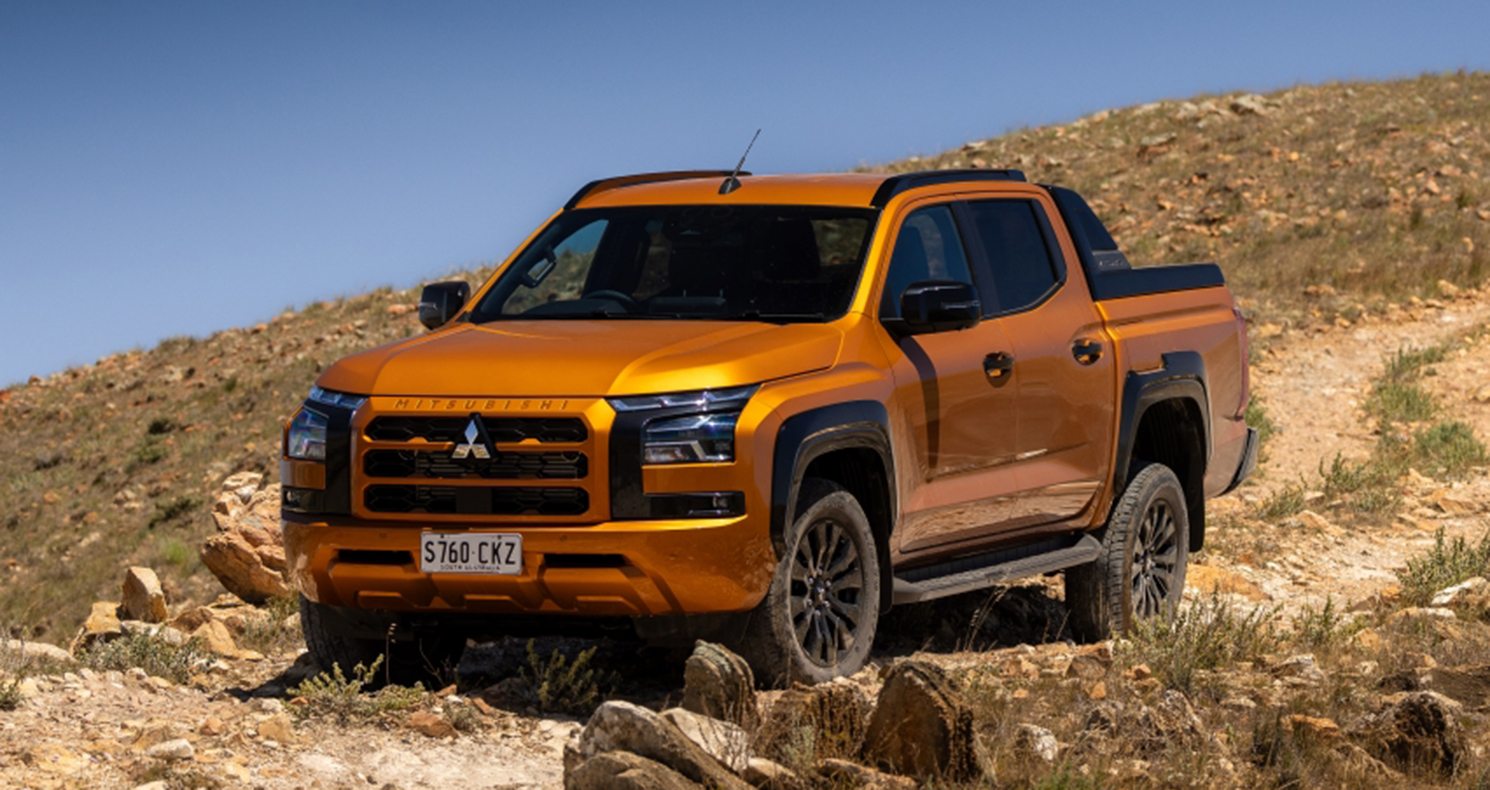
Mitsubishi has experienced a 26.4 per cent decrease in sales. This result is not entirely unexpected, given the brand’s strategic decision to cull a significant portion of its line-up in 2025, including the Pajero Sport and Eclipse Cross, and transition to a new generation of the ASX.
The primary concern for Mitsubishi is that, aside from the ever-popular Triton ute, every other model in its current portfolio is experiencing a sales decline this year. The ASX, once a cornerstone of Mitsubishi’s sales, offering an accessible small SUV option, has struggled to replicate its past success with its new, Renault-based iteration. This is particularly telling, as affordable small SUVs are a key battleground where Chinese brands are excelling.
For context, Mitsubishi has sold a mere 695 ASX units in the first five months of the year. In stark contrast, BYD has sold 2,919 Atto 2s, Jaecoo has moved 4,017 J5s, and Chery has found 11,309 buyers for its models. This highlights the direct impact of Chinese manufacturers on Mitsubishi’s sales figures.
The silver lining for Mitsubishi is the impending return of one of its most cherished nameplates. An all-new Pajero is slated for release by year-end and could provide a much-needed sales boost.
Subaru: Facing Model Transitions and New Competition
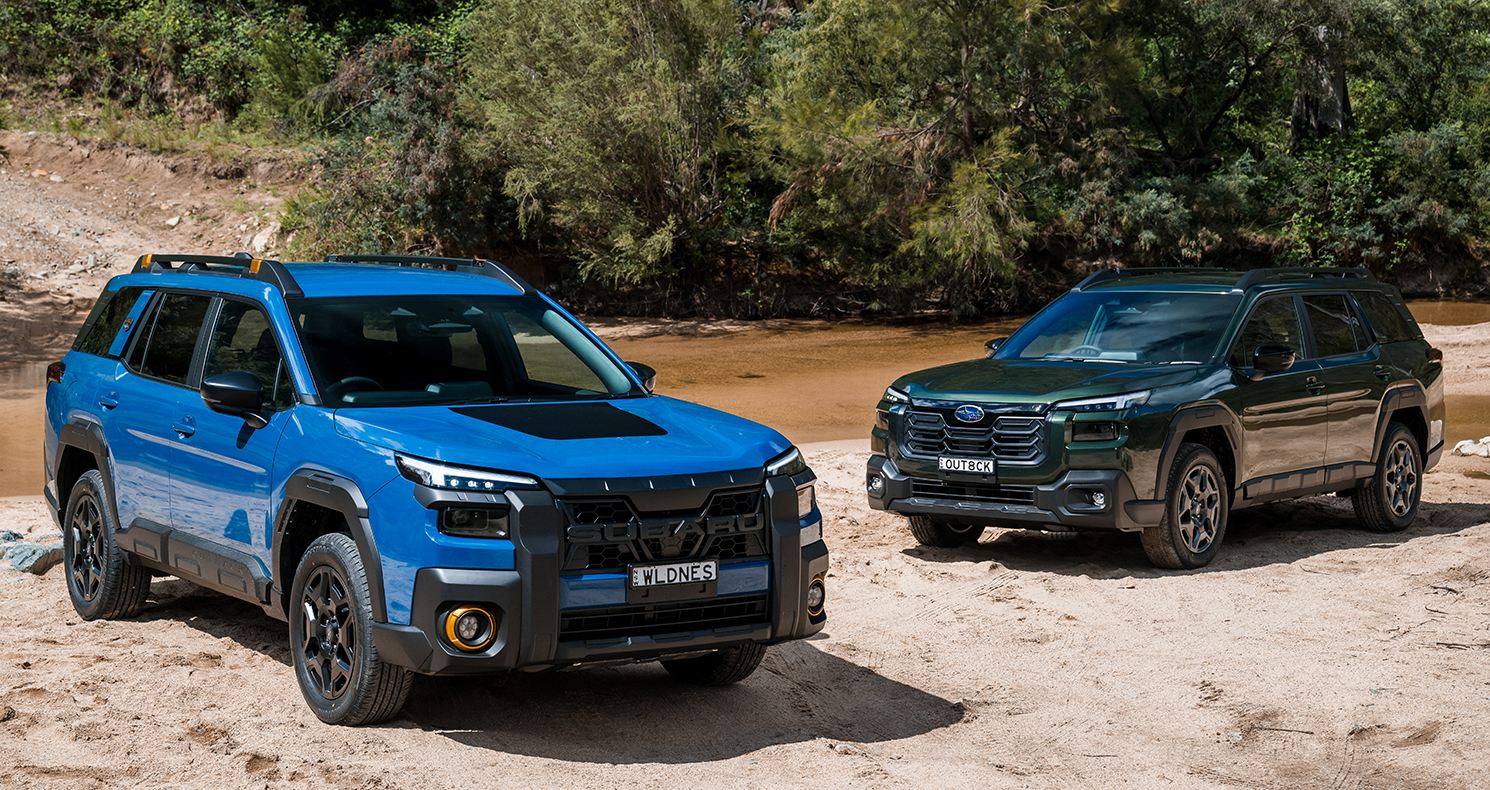
Subaru is navigating a challenging period, with a 22.1 per cent dip in sales. This phase was always going to be difficult, as two of its most popular models, the Forester and Outback, have undergone significant generational changes within a 12-month span. While the Forester has been available for nearly a year, its 8.4 per cent sales decline in 2026 is a cause for concern. The new Outback, meanwhile, has received mixed reactions, largely due to its dramatically altered styling.
Although direct evidence of Subaru losing customers specifically to Chinese brands is not yet quantifiable, an analysis of the mid-size SUV segment reveals a clear shift in buyer preferences. The Forester is now trailing behind models like the BYD Sealion 7 and GWM Haval H6, with the Chery Tiggo Pro 7 and Geely EX5 also gaining ground. This competitive pressure is further amplified by the arrival of the new Toyota RAV4 and the continued strong performance of the Hyundai Tucson and Kia Sportage.
Sales for the new Outback have also started slowly, despite the introduction of the more rugged Wilderness variant. The large SUV segment itself is highly competitive, featuring a diverse array of vehicles including the Toyota Prado, Hyundai Santa Fe, and BYD Sealion 8. Subaru is hopeful that its new all-electric Uncharted and Trailseeker models will capture the growing demand for EVs and help offset current trends. There’s also a possibility that sales for both the Forester and Outback could see an improvement in the latter half of the year.
Suzuki: Caught in the Value Proposition Squeeze
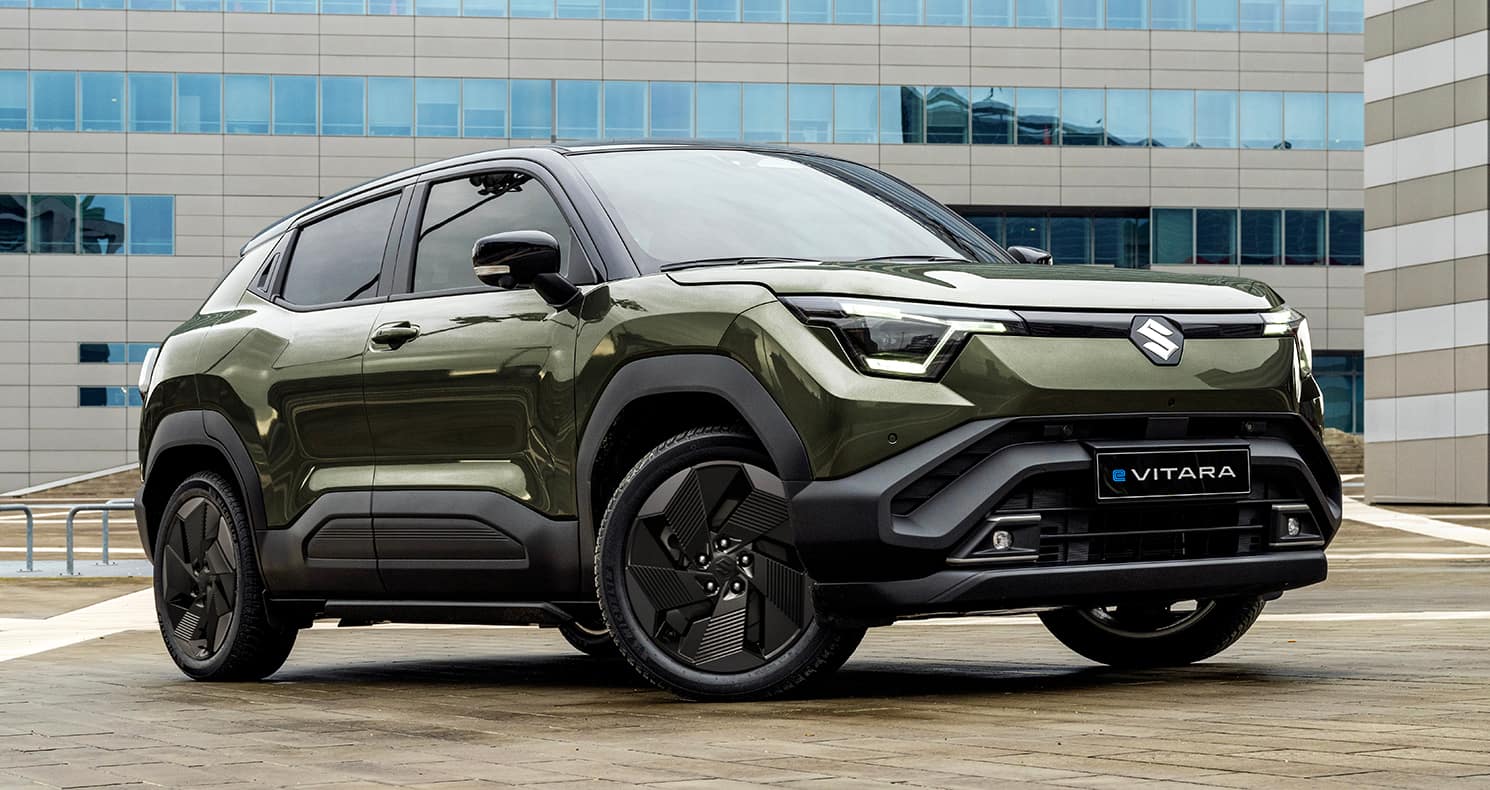
Suzuki’s sales are down by 22.0 per cent. The brand’s traditional strength has been in offering affordable, compact models. However, the influx of Chinese brands providing similar, if not superior, products at comparable or lower price points has created a formidable challenge for Suzuki.
Sales have declined across its entire range, with even the cult-favourite Jimny experiencing a 12 per cent drop in the first five months of the year. While the introduction of the new Fronx has added some new sales, it hasn’t been enough to counteract the overall decline.
Suzuki is looking to the Jimny Rhino, a new special edition of its beloved compact off-roader, to reignite interest. However, reversing the current sales trend will require more than just special editions, especially as competition is set to intensify further.
Volkswagen: A Mixed Bag of Fortunes
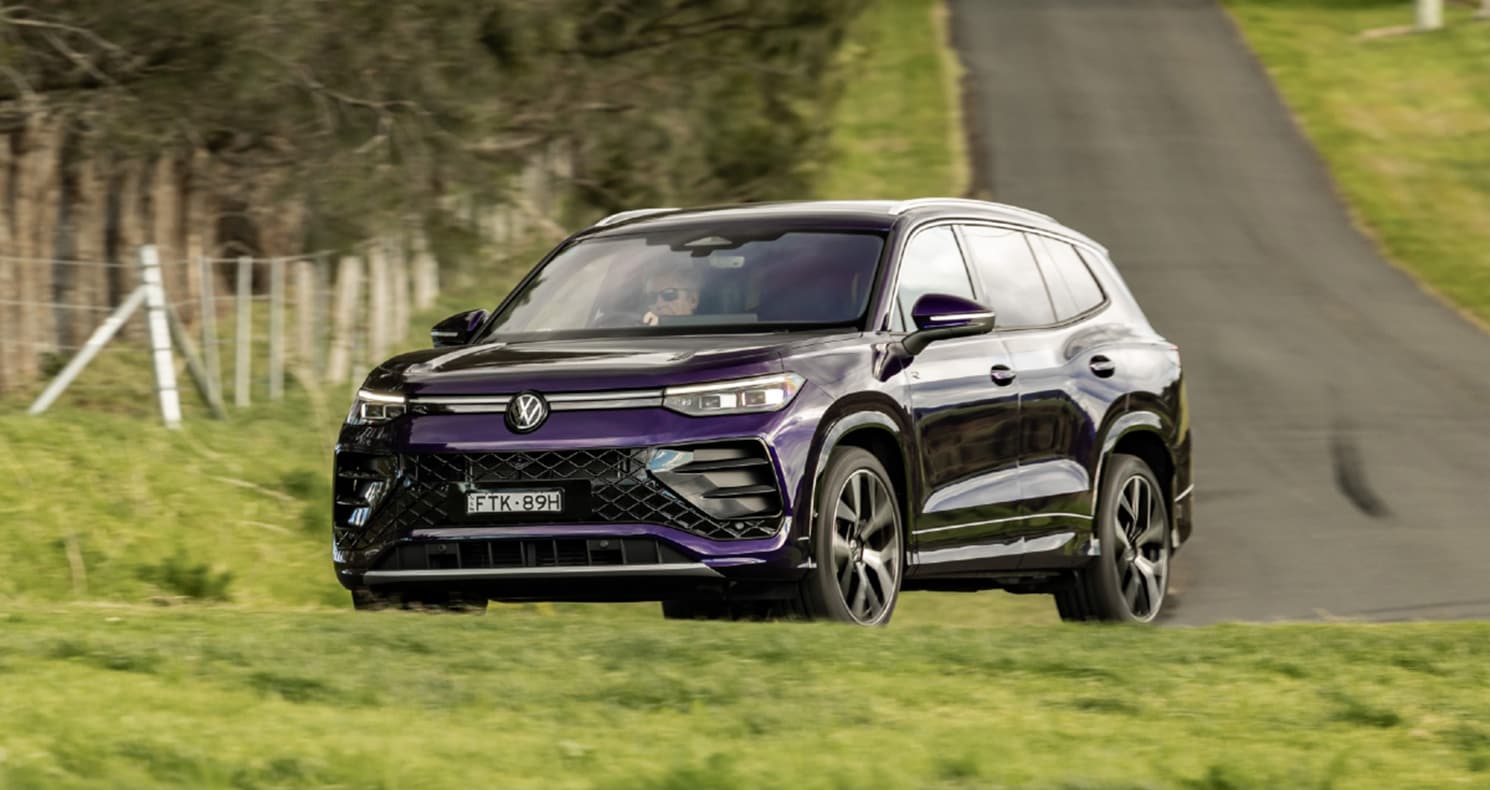
Volkswagen has presented a mixed performance in 2026, with overall sales down by 17.0 per cent. While some key models have seen significant drops, the German brand has also achieved important growth in specific areas.
The negative side includes a substantial decline of over 33 per cent for the Amarok ute. Its core SUV line-up has also been impacted, with the T-Roc down 55.9 per cent, the T-Cross down 49 per cent, and the Tiguan down 13 per cent.
On a more positive note, Volkswagen is gaining traction with its electric vehicle offerings and its updated commercial vehicle range. Sales of the ID.4 have surged by over 455 per cent, placing it just 171 sales behind the Tiguan. The ID.5 and the ID.Buzz van are also experiencing increased popularity.
The commercial vehicle segment is showing strong growth, with the new Crafter up 277 per cent, the new Transporter up 78.1 per cent, and the ID.Buzz Cargo up 33.7 per cent. These are all enjoying a successful start to the year.
However, for Volkswagen to avoid finishing the year in its current position, it will be crucial for the Tiguan and Tayron to regain momentum in the second half of the year. The potential arrival of new hybrid options for these models could prove to be a vital factor.