Ferrari’s Electric Symphony: Crafting an Authentic EV Sound
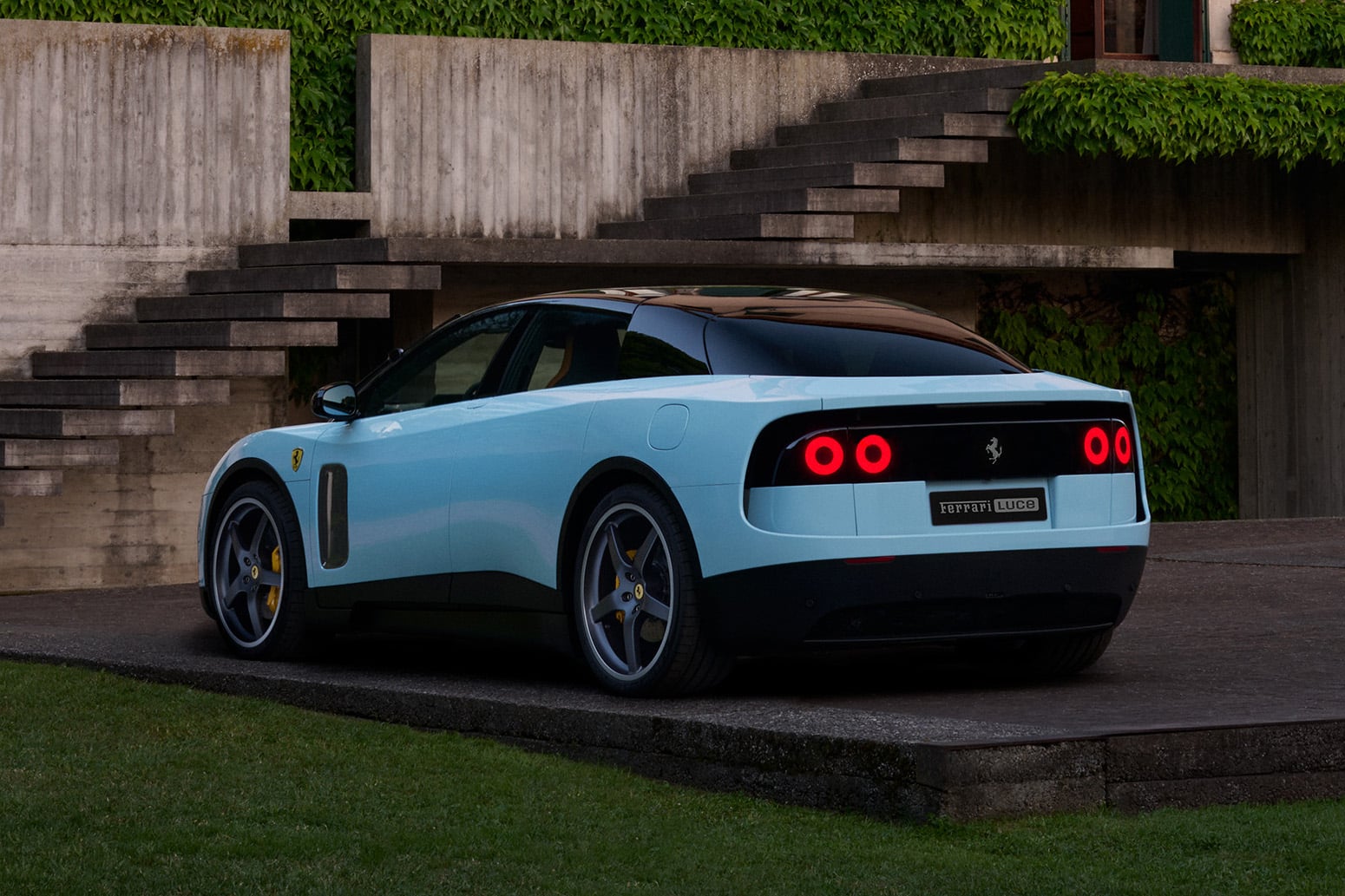
The roar of a Ferrari engine is as iconic as its prancing horse badge. But what happens when Maranello embraces electrification? One of the most significant hurdles for any electric performance car is its sonic identity. Ferrari claims to have found the answer with its new electric offering, the Luce, by capturing and amplifying the very essence of its mechanical symphony.
Unlike many electric vehicles (EVs) that rely on artificial, synthesised soundtracks piped through the cabin speakers, Ferrari has taken a decidedly different approach. The Luce’s sound is not manufactured; it’s harvested directly from the car itself.
The Science of Sound: Capturing Real Vibrations
At the heart of this innovative system is a precision accelerometer discreetly mounted within the rear axle. This sophisticated sensor is designed to detect the genuine vibrations generated by the electric motors and their accompanying gears as they spin. This raw signal is then meticulously filtered, equalised, and amplified, delivering a rich auditory experience into the cabin. The process is likened to how an electric guitar pickup transforms the physical vibration of strings into an audible sound.
Crucially, Ferrari stresses that nothing in this sound is fabricated. The system intelligently amplifies the frequencies that are perceived as pleasing and desirable, while simultaneously filtering out the less appealing elements. This means the high-pitched whine and excessive white noise that can plague some EVs are effectively stripped away. However, the core principle remains: the system never introduces sounds that aren’t intrinsically present within the car’s mechanical operation.
Antonio Palermo, Ferrari’s NVH (noise, vibration and harshness) and sound quality manager, explained the philosophy:
“We amplify what is good and pleasant, and attenuate what is unpleasant. The vibrations are shaped by what the car is doing, so you have a canvas that is constantly changing beneath you.”
This dynamic approach means the soundscape evolves with the car’s performance. When the driver engages the paddle shifters for more power, the delivery of torque is shaped in a specific way. The accelerometer captures this, translating it into a rising musical note. Ferrari has deliberately steered clear of simulating gear changes or artificial jumps in revs. Instead, the sound progressively climbs through what the engineering team describes as musical intervals, building in intensity as more torque is unlocked.
A Sound That Resonates, Inside and Out
The surprise for many will be the extent to which this engineered sound is audible from outside the vehicle. Ferrari has designed the system so that the primary amplification occurs at both the front and rear of the car, projecting the sound outwards. The interior system is then tasked with adding finer details and nuances to this external projection.
Mr. Palermo further elaborated on this point:
“We didn’t go looking for a sound outside the car, but it’s a Ferrari, so it should be heard from outside. The big part of the sound comes from outside. You will turn and hear it before you see it, maybe as it passes by.”
This commitment to an authentic, externally audible sound signifies a significant departure from conventional EV audio strategies. It ensures that the Luce not only performs like a Ferrari but also announces its arrival with a distinctive sonic signature.
Years in the Making: An Authentic EV Voice
Developing this unique sound was no small feat. Ferrari reports that the project spanned approximately six years and involved an extensive 40,000 kilometres of testing. The team delved deep into understanding the fundamental reasons behind our appreciation for combustion engine sounds. Their objective was not to mimic existing Ferrari engines like a V8 or V12, but rather to cultivate an original and authentic voice for its electric motors. Interestingly, Ferrari revealed that very little was borrowed from their Formula 1 or Le Mans racing programs. This is largely because race cars prioritise extreme lightness and do not incorporate sound-filtering systems.
A “Meta-Sound”: A New Philosophy for Ferrari’s Future
Perhaps the most compelling aspect of Ferrari’s approach is how they are framing this innovation. Mr. Palermo described the sound not merely as an audible output, but as something more profound:
“This is a meta-sound, it is not a sound. It is a mindset. When we decide to make a new car, we don’t have the sound for that car yet. We have the mindset for it, and the sound will come.”
This statement suggests a paradigm shift in Ferrari’s design philosophy. It indicates that this meticulously crafted, authentic sound generation system will likely be applied to future electric Ferraris, with each model possessing its own unique sonic identity, developed through the same rigorous and thoughtful process.
While a final judgement will undoubtedly await a full driving experience, Ferrari’s innovative and deeply considered approach to EV sound on the Luce presents one of the most genuinely intriguing advancements in the electric performance car landscape to date.