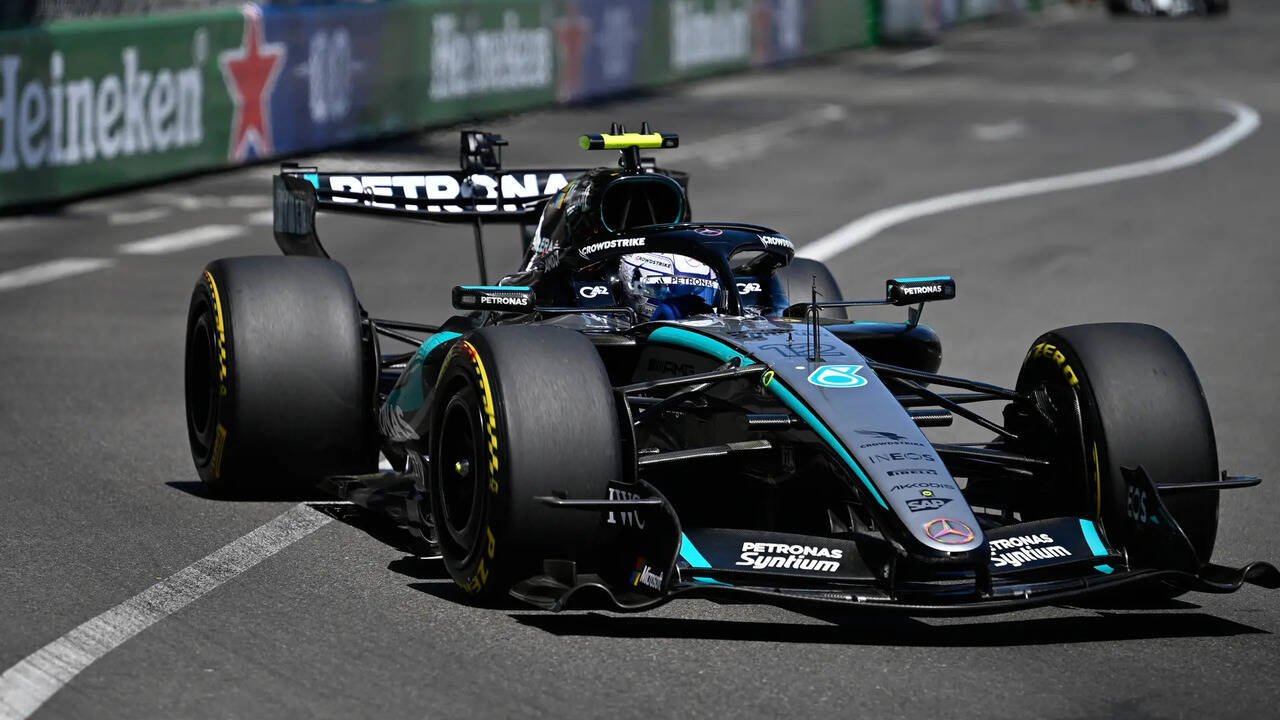
Formula 1 is on the cusp of a significant evolution, with the sport set to embrace more raw engine power and a reduced reliance on hybrid electrical systems from next year. However, the pace of this transformation is proving to be more measured than initially envisioned.
The groundbreaking F1 cars slated for 2026 were originally conceived with a balanced 50-50 split between internal combustion engine power and electrical energy. This approach was intended to keep Formula 1 aligned with the burgeoning trend of hybrid technology in road cars, thus maintaining relevance for the public. Yet, this delicate equilibrium introduced certain compromises that reportedly led to dissatisfaction among top drivers, including Max Verstappen, who had even contemplated departing the sport.
In practice, the current power split leans more towards the engine, with a ratio of approximately 53% engine to 47% electrical power. The sport’s governing body, the FIA, announced an agreement on the forthcoming changes, indicating a gradual shift. By 2028, the aim is to reach a 60%-40% split in favour of the engine. This adjustment will necessitate cars consuming more fuel – with an allowance for up to 13% more fuel flow by 2028 – and generally deploying less electrical power.
The FIA stated that these proposed modifications are designed to address challenges concerning energy management and the characteristics of fuel energy flow. The objective is to facilitate more “flat-out” qualifying sessions without negatively impacting the engaging and exciting racing that the new regulations have already fostered.
These changes were unveiled ahead of the Barcelona-Catalunya Grand Prix. Notably, the increase in engine power planned for 2027 is less substantial than what the FIA had previously indicated was “in principle” agreed upon following discussions with teams and engine manufacturers. An earlier announcement had targeted a 50-kilowatt increase in engine power for 2027. However, the revised plan now stipulates a 20kW boost in 2027, followed by a 50kW increase the subsequent year. The FIA confirmed that these changes are slated for formal approval later this month.
One significant factor influencing the adjusted timeline appears to be concerns raised by manufacturers, particularly Audi. The German marque had reportedly voiced reservations about the financial implications of substantial changes at a time when teams are already heavily invested in designing their cars for the 2027 season.
The current generation of F1 cars, introduced in 2026, has already brought about an increase in overtaking opportunities. The enhanced battery power allows drivers to more effectively regain positions, leading to some captivating multi-lap duels. However, this technological advancement has also presented less desirable scenarios, such as drivers being forced to lift off the throttle on straights or navigate corners at reduced speeds to conserve and recharge their batteries.
The FIA has already made minor rule adjustments early in the 2026 season to mitigate what drivers perceived as some of the cars’ most significant drawbacks. Nevertheless, there was a widespread consensus among stakeholders for more substantial modifications to be implemented next year.
Looking further ahead, Formula 1 might experience a nostalgic return to its roots. FIA President Mohammed Ben Sulayem is actively advocating for a revival of the powerful, roaring traditional V8 engines, with a potential timeframe of 2030 or 2031. This move would signal a significant departure from the current hybrid era and could resonate with fans who long for the visceral sound and brute force of older F1 machinery.
Key Changes and Their Implications
The evolving F1 regulations for 2026 and beyond are centred around a recalibration of power sources. Here’s a breakdown of the anticipated shifts:
Power Split Evolution:
- Current (approximate): 53% engine / 47% electric
- 2026: Aiming for a closer 50-50 split (though current reality is slightly different)
- 2027: Increased engine power by 20kW
- 2028: Increased engine power by a further 50kW, pushing the split towards 58% engine / 42% electric.
- Long-term Goal (by 2028): 60% engine / 40% electric.
Fuel Flow Allowance:
- By 2028, cars will be permitted to use up to 13% more fuel flow. This directly supports the increased reliance on the internal combustion engine.
Impact on Driving and Racing:
- Positive: The aim is for more “flat-out” qualifying and sustained exciting racing.
- Challenges: The current system has led to drivers managing energy by lifting off or slowing through corners, which can detract from the spectacle. The new rules aim to reduce these instances.
Manufacturer Considerations
The financial and developmental realities for Formula 1 teams play a crucial role in shaping the sport’s technical direction.
- Cost of Development: Significant technical shifts require substantial investment in research, design, and manufacturing.
- Audi’s Concerns: The manufacturer’s voiced concerns highlight the delicate balance between pushing innovation and managing the economic pressures faced by teams, especially when designing for multiple upcoming seasons.
The journey towards the 2026 regulations and beyond is a complex interplay of technological ambition, driver feedback, manufacturer input, and the fundamental desire to deliver thrilling motorsport entertainment. The gradual shift towards more engine power suggests a commitment to preserving some of the visceral elements that have long defined Formula 1, while still acknowledging the importance of evolving with automotive technology.