AI Camera Road Safety Program Under Scrutiny in Victoria
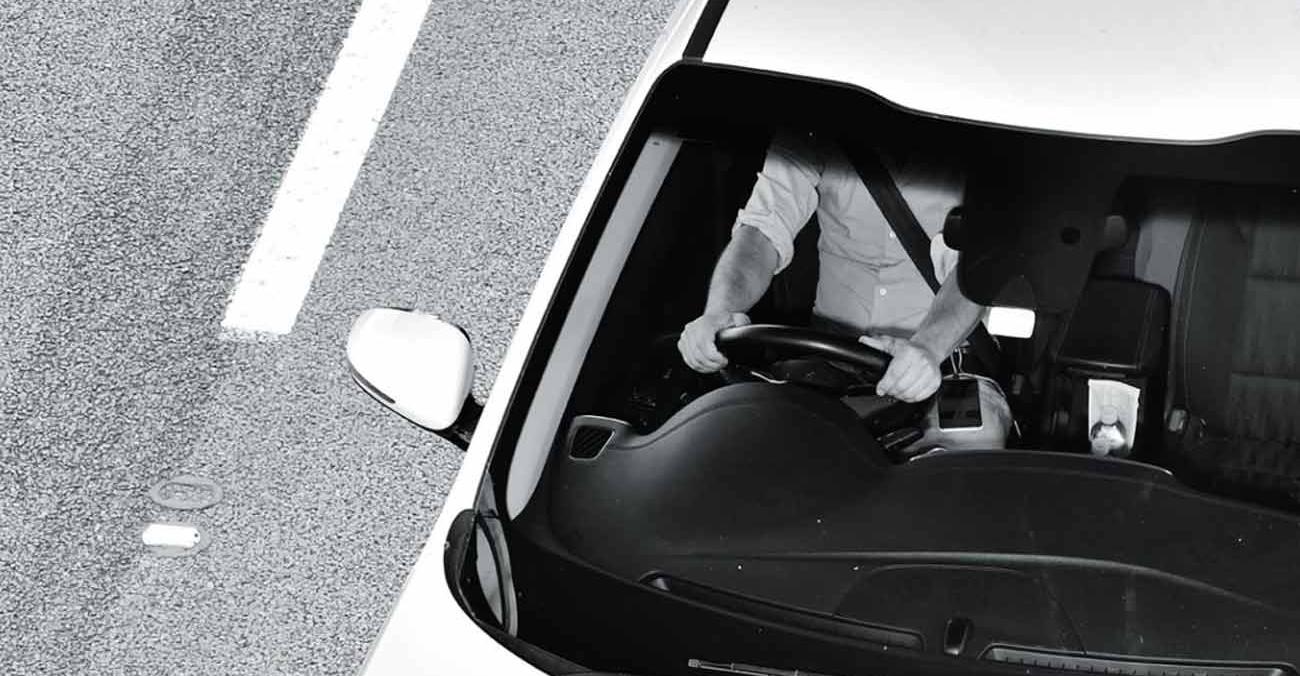
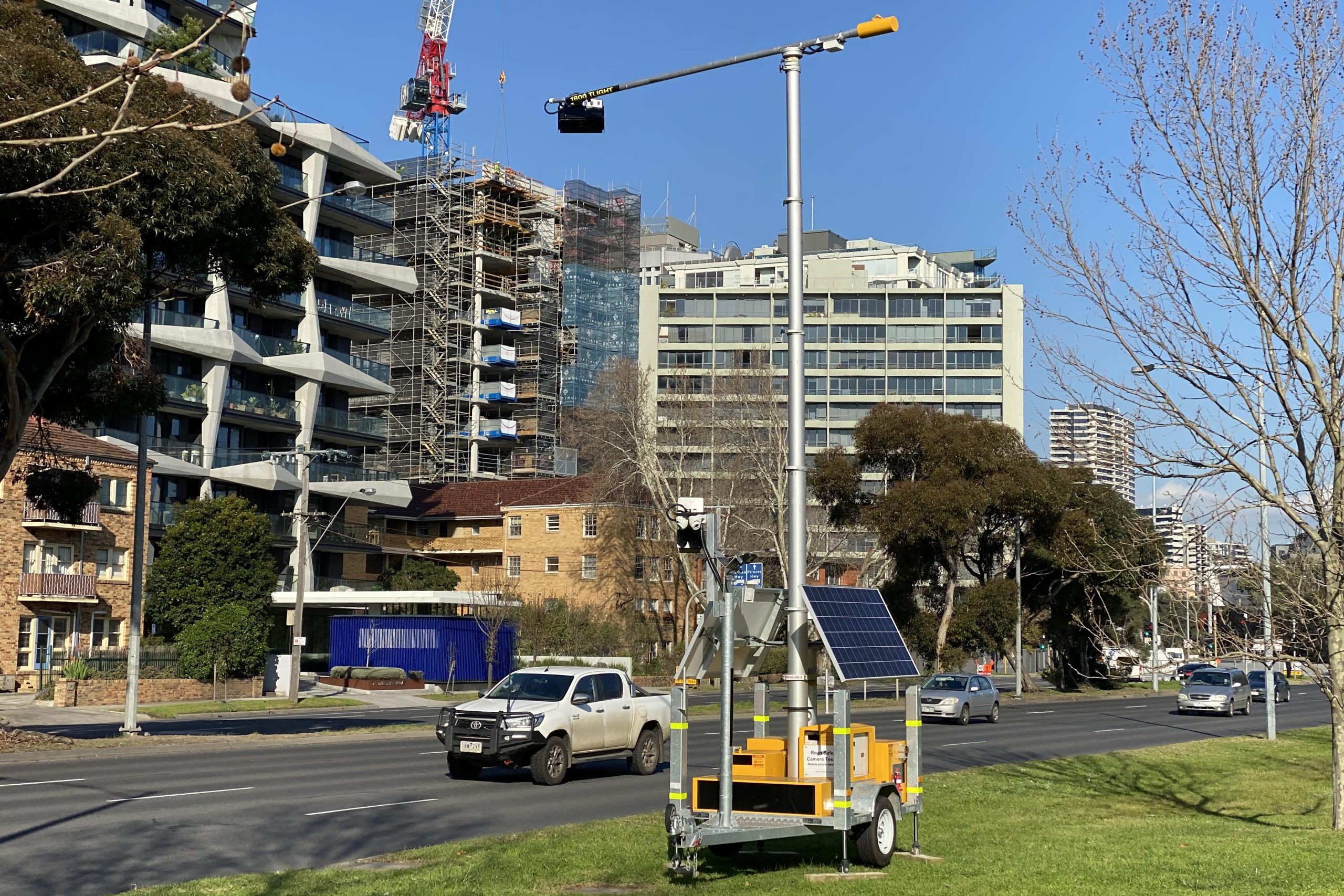
A new report examining Victoria’s ambitious Distracted Driver and Seatbelt Detection Program, which harnesses artificial intelligence (AI) cameras, has cast doubt on its effectiveness in improving road safety. The findings, released by the Victorian Auditor-General’s Office (VAGO), highlight significant concerns regarding data collection, evidence of camera placement, and even potential privacy breaches.
Launched in 2023, the program aimed to achieve several key objectives:
- Heightened Awareness: To educate drivers about the dangers and legal ramifications of distracted driving and failing to wear a seatbelt.
- Increased Enforcement: To bolster the application of road safety laws.
- Behavioural Change: To reduce risky driving habits that contribute to accidents, serious injuries, and fatalities.
The VAGO report analysed an extensive dataset, scrutinising 308 camera locations, over 160,000 camera operating hours, and nearly 189,000 infringements issued for mobile phone use and seatbelt non-compliance between July 2023 and September 2025.
Despite the significant investment and effort, the report states, “It is not clear how much the program is contributing to road safety.” Compounding this uncertainty, the report notes that “since the program began, the number of deaths from road accidents in Victoria has increased.”
The Department of Justice and Community Safety, which oversees the program and the AI software managed by camera operator Jenoptik, has been found to lack definitive proof of the program’s impact. Specifically, the department “does not know if the program is reducing road accidents, serious injuries and deaths.”
A critical oversight identified by the audit is the absence of baseline data. The report explicitly states, “The department did not gather data about the number of accidents, serious injuries and deaths linked to mobile devices and seatbelts before the program started to compare results against.”
Furthermore, the complexity of directly linking road accidents to specific behaviours like mobile phone use or seatbelt non-compliance is acknowledged. The department is not expected to develop a methodology for collecting this crucial data until at least mid-2026. This delay, coupled with the department’s shifting expectations for the program’s outcomes and inconsistent performance reporting, makes it exceedingly difficult to evaluate the program’s long-term efficacy.
The VAGO has therefore recommended that the department significantly enhance its methods for measuring and reporting on the program’s actual contribution to road safety. In response, the Department of Justice and Community Safety indicated it has sought modifications from the audit team regarding the presentation of research estimates as definitive targets.
Concerns Over Camera Site Selection and Record-Keeping
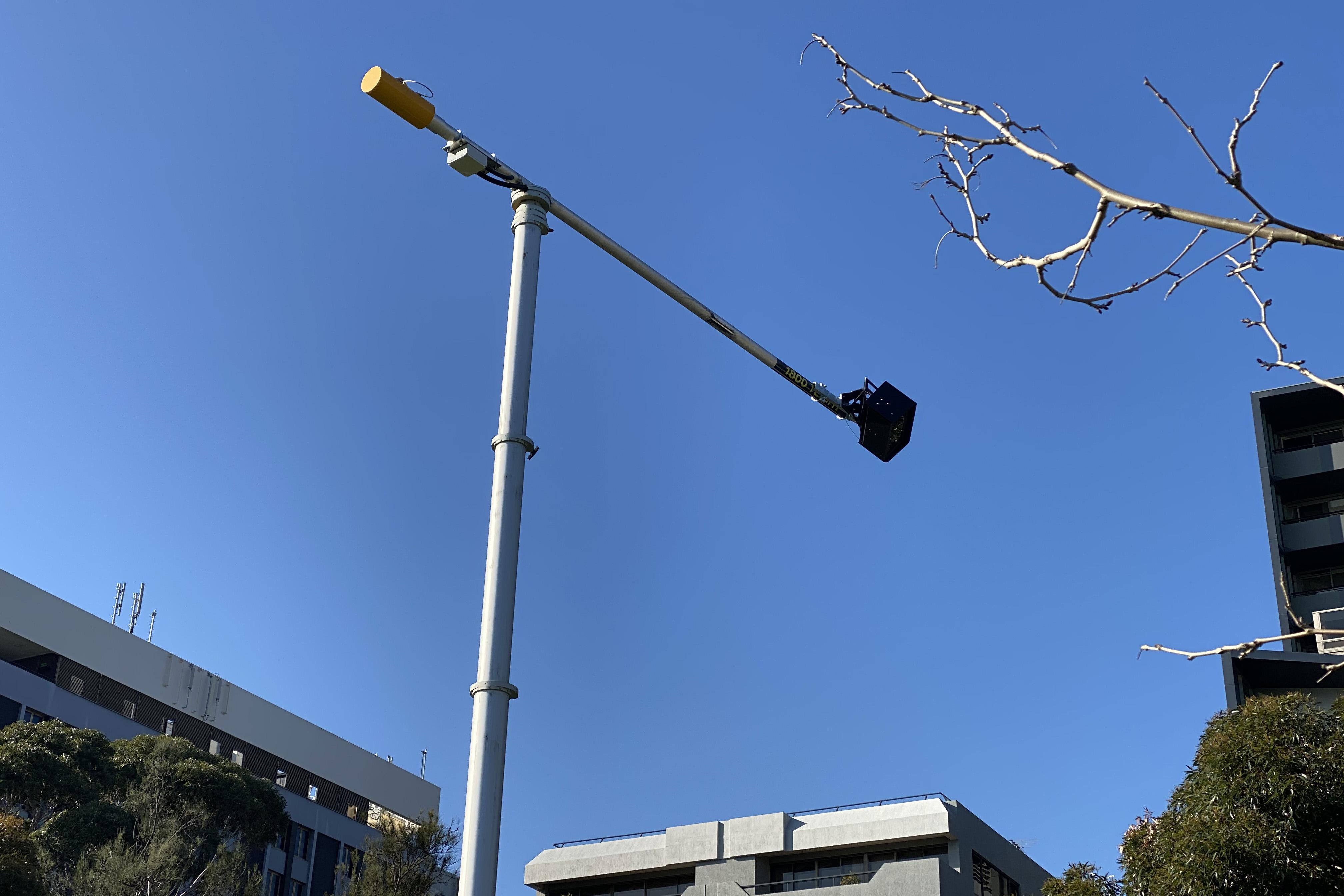
Beyond the program’s overall effectiveness, the report also raised red flags regarding the operational aspects managed by Victoria Police. The process for identifying suitable locations for these AI cameras was found to be “not well designed and it does not record its decisions consistently.”
This lack of robust record-keeping means that Victoria Police cannot always demonstrate that the chosen camera sites are based on sound evidence. The audit suggests that the police force should review its criteria for site selection and improve its documentation to ensure that camera placements are demonstrably evidence-based.
Victoria Police acknowledged these shortcomings, stating in a response that they “accept that governance processes to manage identification of potential sites for camera locations could be improved.” The police force has committed to implementing changes to uphold the program’s integrity.
Privacy and Data Assurance Issues
The audit also uncovered “gaps” in the program’s administration, particularly concerning privacy data assurance. It was revealed that Jenoptik, the AI software provider, had to update its archiving software following a breach of regulations.
The report recommends strict adherence to legal requirements for storing infringement images and cautions against relying solely on Jenoptik’s self-reporting system for data accuracy. This reliance on self-reporting leaves the department vulnerable, as it “is not fully managing the risk that Jenoptik’s data may be inaccurate.”
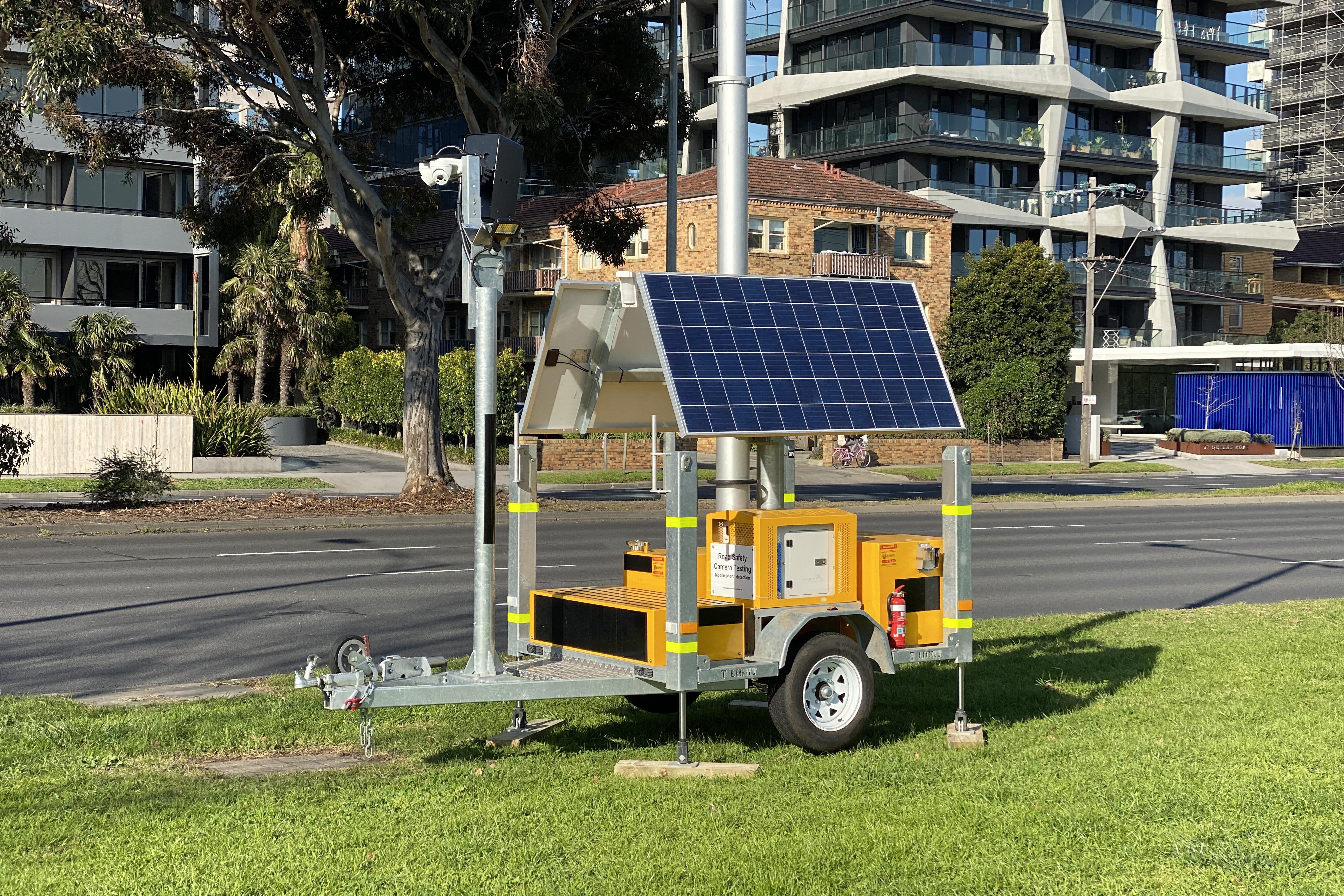
These findings emerge at a time when Victoria is planning a substantial investment of $28.3 million in next-generation, ‘all-in-one’ cameras. These advanced systems are designed to detect a range of offences, including speeding, red-light running, bus-lane violations, and seatbelt infringements, in addition to number plate recognition.
Rising Road Fatalities in Victoria
The broader context of road safety in Victoria is concerning. Recent data from the Road Safety Hub indicates a worrying trend. In April 2026, the number of road deaths in Victoria saw an increase of 55.6 per cent. Over the preceding 12 months, the overall rise was 0.3 per cent. This resulted in 288 fatalities in Victoria during the period, an increase from the 277 recorded in 2023, the same year the Distracted Driver and Seatbelt Detection Program was introduced.
The program itself is a component of the Victorian Road Safety Strategy 2021–2030, a broad initiative with the ambitious goal of halving road deaths by 2030, compared to the 266 fatalities in 2019, and ultimately eliminating all road deaths by 2050.