Concerns Over Data Centre Expansion in Melbourne’s West
Insiders within Victoria’s fire authority have raised alarms about the growing number of large-scale data centres in Melbourne’s west, urging for more stringent oversight due to the facilities’ substantial use of diesel and lithium-ion batteries. Fire Rescue Victoria (FRV) members, who have access to planning applications and spoke to the ABC under anonymity, highlighted their concerns regarding the complex fire risks associated with these centres.
They specifically pointed to the danger of thermal runaway, a phenomenon where lithium-ion batteries undergo an uncontrolled chemical reaction, producing intense heat and toxic fumes. “Firefighters are well-practised in dealing with typical fires like house or factory fires,” one FRV member explained. “But thermal runaway is a different story — it’s a very complicated response.”
The combination of lithium batteries and diesel creates a particularly dangerous scenario, according to the FRV members. They emphasized the need for specialized training and better coordination between fire services and data centre operators.
Safety Concerns Raised by Workplace Safety Investigator
Documents obtained through Freedom of Information laws revealed that WorkSafe, Victoria’s workplace safety investigator, previously objected to a data centre’s planning application due to its plan to store 510,000 litres of diesel on-site. A letter dated December 2024 addressed to the Department of Transport and Planning (DTP) raised concerns about the proximity of the Perri Melbourne Data Centre (PMDC) to residential areas, highlighting potential dangers to nearby families.
However, three months later, WorkSafe revised its decision, approving the application but requiring PMDC to seek advice from FRV’s Dangerous Goods unit and conduct a fire safety study. Despite this, FRV members noted that such advice is not enforceable, as they are not the determining authority for planning decisions.
Data Centre Expansion and Fire Safety Challenges
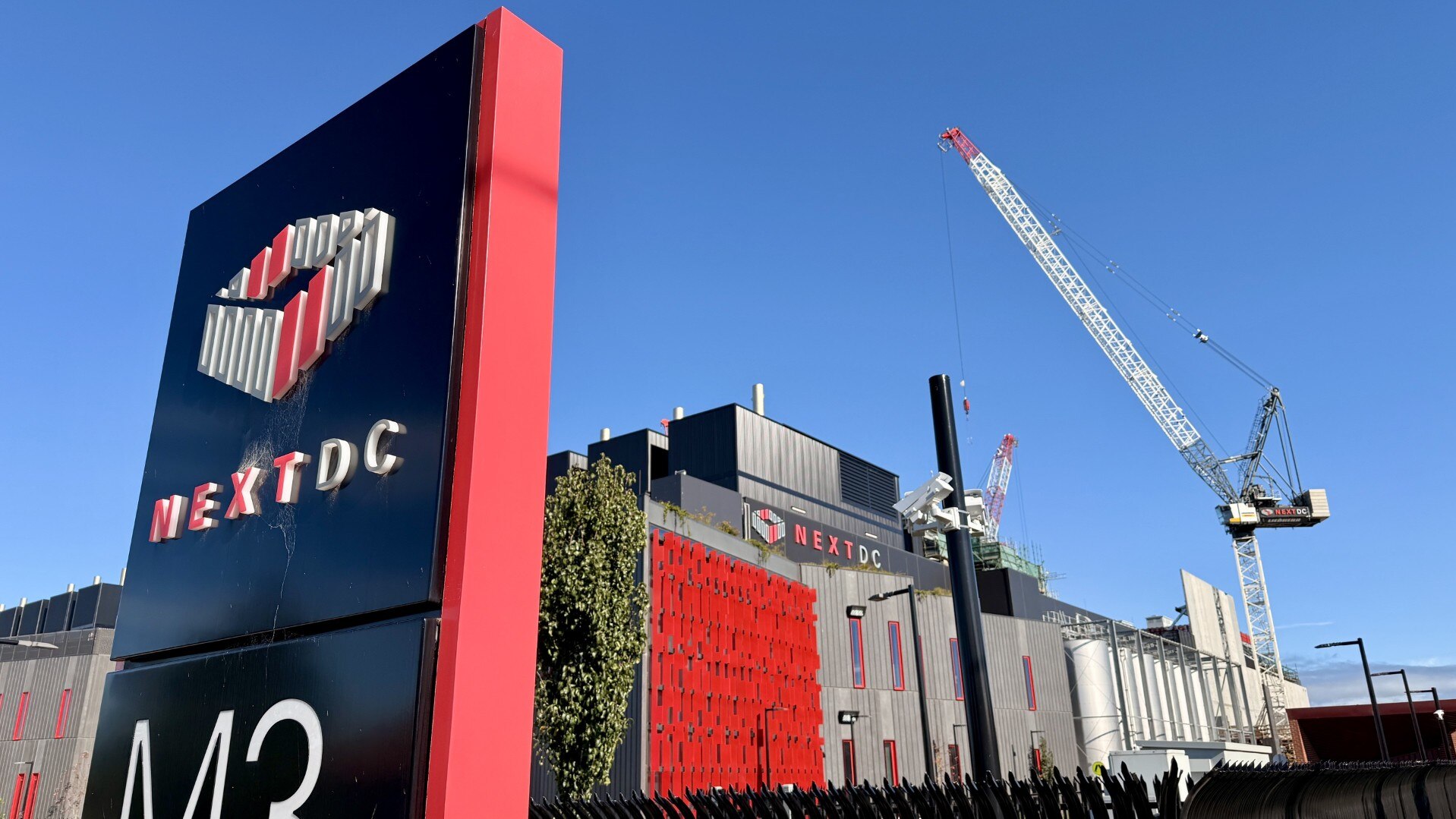
Data centres operate 24/7, relying heavily on backup diesel generators and increasingly on lithium-ion batteries to ensure uninterrupted power supply. Planning documents reveal that a $1 billion data centre in Port Melbourne by NextDC plans to store 3.5 million litres of diesel and 900 tonnes of lithium-ion batteries on site.
This application was fast-tracked under the state government’s Development Facilitation Program and approved in just 75 days. During this time, informal notice was provided to FRV, which offered no objection subject to certain conditions.
In a statement to the ABC, an FRV spokesperson said the organisation provides fire safety advice “within its legislative limit.” However, FRV members argue that greater involvement in the planning process is necessary to address potential risks effectively.
The Challenge of Data Centre Fires
While data centre fires are rare, they pose significant challenges to firefighters due to the presence of high-voltage equipment, lithium-ion batteries, and complex building layouts. Last year, a fire at a South Korean data centre caused by an exploding lithium-ion battery reportedly took over 200 firefighters nearly 22 hours to extinguish, with water use being limited.
Despite advancements in battery management systems and fire prevention measures, FRV members believe that facility layouts must be designed with accessibility in mind to improve emergency response capabilities. “These places are basically prisons,” one member said. “It’s difficult to perform a rescue in such environments.”
Air Quality Concerns in Melbourne’s Inner West
For residents in Melbourne’s inner-west, concerns over diesel generators at NextDC’s West Footscray data centre focus on air pollution. The area, near the Port of Melbourne, is known for high volumes of diesel truck traffic and is a significant air pollution hotspot.
A landmark study found that children with asthma living in the west were more likely to be hospitalized. Yarraville resident Glen Yates has monitored air pollution levels for over three years using multiple air quality monitors. He installed a monitor near the NextDC data centre and noted significant spikes in PM 2.5 pollution after the facility’s operation began.
Calls for Greater Transparency
Mr. Yates and Sean Brown, a data and research professional, advocate for an independent environmental assessment of NextDC’s planned expansion, emphasizing the proximity of schools, playgrounds, and health centres to the proposed developments. Local Labor MP Katie Hall has also voiced support for increased transparency and monitoring.
NextDC stated that routine testing and maintenance of its diesel generators are conducted in accordance with relevant regulations. However, community members argue that more needs to be done to ensure public health and safety.
Government and Regulatory Responses
A Victorian Government spokesperson confirmed that fire agencies are consulted during the planning process, and every project undergoes a rigorous assessment to meet stringent fire safety requirements. WorkSafe also reiterated its commitment to ensuring community safety is not compromised by land use and development proposals involving dangerous goods.