The Body’s Echoes: Unpacking the “The Body Keeps the Score” Phenomenon
The phrase “the body keeps the score” has become a common refrain, popping up online and in everyday conversations as a way to acknowledge the profound impact that stress and trauma can have on our physical selves. It’s a powerful shorthand for the way our bodies can carry the burden of “fight or flight” responses, leaving us with tangible, often distressing, physical symptoms. This widespread adoption of the phrase is a testament to the significant influence of Dutch psychiatrist Bessel van der Kolk’s 2014 non-fiction bestseller, The Body Keeps the Score. However, as this concept has permeated popular culture, it has also undergone a significant simplification.
The book, which has enjoyed a remarkable nearly six-year run on The New York Times bestseller list, delves deeper than simply stating that trauma affects the body. It posits a more contentious claim: that traumatic memories reside within the body, entirely inaccessible to conscious recall. This notion of repressed memories is not new; it carries a long and often controversial history. And as this idea resurfaces, it warrants careful examination.
The Resurgence of “Memory Wars”
The 1990s witnessed a heated scientific debate, often dubbed the “memory wars,” centred on the concept of repressed memories. Clinicians and memory researchers clashed over whether traumatic events could truly vanish from conscious awareness, only to be unearthed later during therapeutic sessions. The prevailing psychoanalytic theory suggested that overwhelming traumatic experiences could be unconsciously suppressed by the mind as a defence mechanism, effectively shielding conscious awareness while continuing to manifest as psychological distress.
After more than a decade of research that cast significant doubt on the reliability of repression as a psychological mechanism, many believed this debate had been definitively settled. Yet, the idea of repressed memories is experiencing a revival.
The contemporary iteration of this claim goes beyond mere repression; it asserts that the body actively stores these repressed traumatic memories. These stored, unacknowledged memories are then said to resurface later, manifesting as physical ailments. The Body Keeps the Score advocates for healing approaches that involve “releasing” or “integrating” these hidden trauma memories, often through a variety of alternative, and frequently not evidence-based, therapies. These include practices like yoga, psychedelic-assisted therapy, and guided imagery. The book also argues that traumatic experiences can fundamentally disrupt the nervous system in ways that have lasting effects, even beyond a person’s conscious awareness or recollection of the event itself. This perspective has undeniably shifted public perceptions of trauma.
Understanding Trauma and the Body
It is crucial to clarify that the kind of memory research conducted by many scientists does not dismiss the reality of trauma or its physical manifestations. The core concern lies specifically in how these experiences relate to the mechanisms of memory. There is a broad scientific consensus that significant stress, often linked to traumatic events, can indeed alter crucial hormone levels such as adrenaline, noradrenaline, and cortisol. These hormonal shifts can subsequently impact various bodily systems, leading to elevated blood pressure, changes in libido, and a pervasive sense of bodily insecurity. For some individuals, trauma can culminate in post-traumatic stress disorder (PTSD), which is frequently accompanied by a range of physical symptoms. These can include nausea, panic attacks, difficulty breathing, disturbed sleep patterns, and a chronic feeling of being on high alert.
The Nuances of Memory Formation
It’s important to understand that memory does not function like a simple recording device that can be replayed at will. Extensive research over decades has demonstrated that autobiographical memory is a reconstructive process. Each time an event is recalled, it is essentially rebuilt. This means that the context in which we remember – including new information we encounter, our current emotional state, and the expectations of others – can significantly influence what we recall. This reconstructive nature means that memories can be distorted or altered over time.
Therapeutic techniques that are highly suggestive, such as hypnosis or guided imagery, where individuals enter a state of heightened suggestibility, are particularly prone to inadvertently implanting false memories. Leading professional organisations, including the American Psychological Association and the British Psychological Society, have repeatedly issued warnings that these therapeutic methods, designed to unearth supposedly buried memories, can paradoxically create false recollections.
Exploring Alternative Therapies: Promise and Pitfalls
The Body Keeps the Score champions a diverse array of therapies for trauma, presenting them as alternatives to more established PTSD treatments. These include practices like yoga and psychodrama, which involves using role-playing to re-enact traumatic experiences. While these approaches may offer benefits for some individuals – for instance, engaging in yoga can be a valuable tool for stress reduction in those with PTSD – problems arise when these techniques are presented as definitive methods for accessing “repressed memories.”
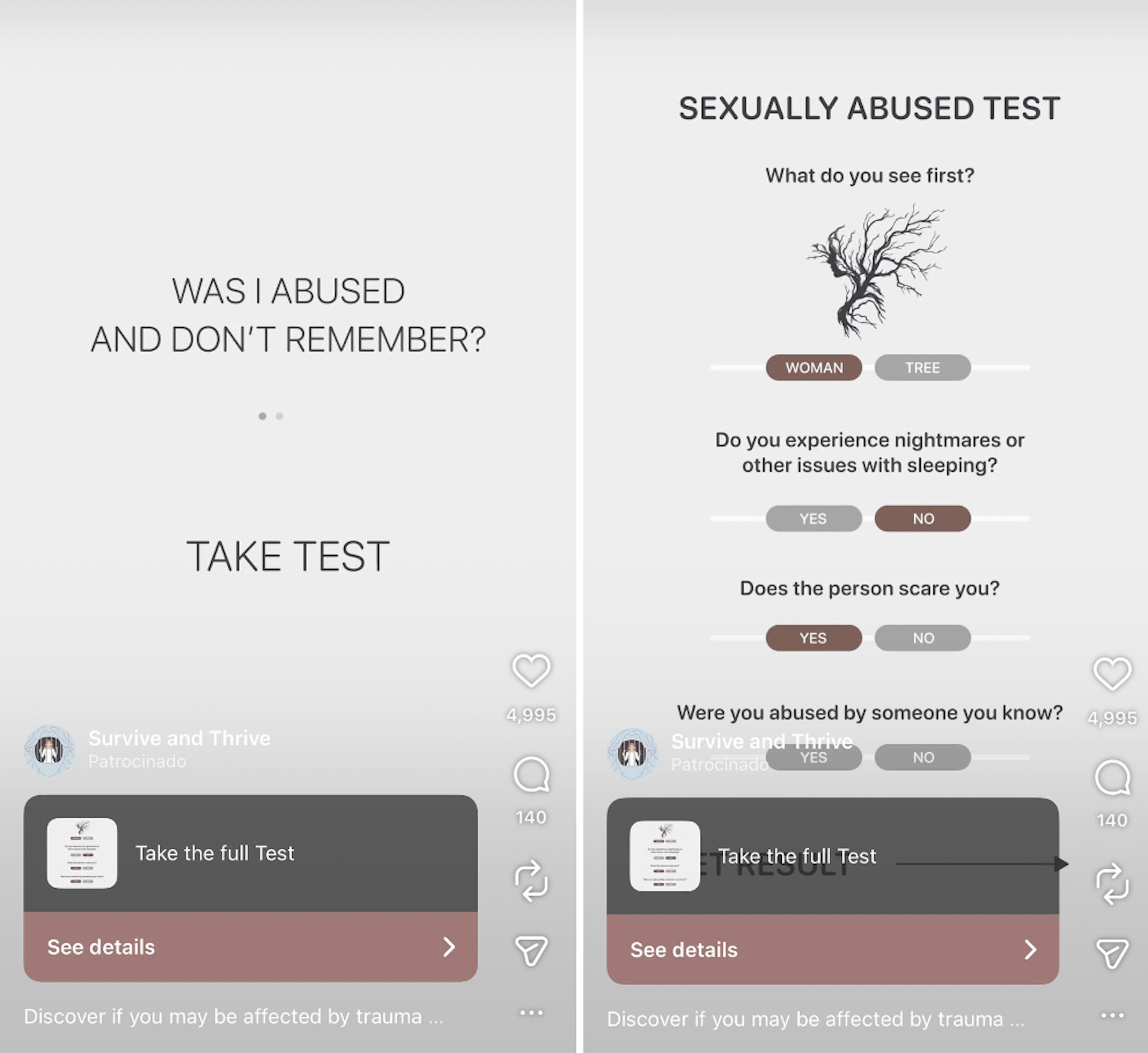
This narrative can be exploited. Recent social media advertisements, for example, have suggested that recurring nightmares or sleep disturbances might stem from unremembered, extensive trauma. A quick online quiz is offered, promising to reveal test results and then directing users to paid “trauma-informed” online coaching programs.
Psychedelics and the Complexities of Memory
More recently, attention has shifted towards psychedelic-assisted therapy, with van der Kolk and others highlighting its potential. Substances like MDMA and psilocybin have shown promise in rigorously controlled research settings. They appear to influence neural pathways, although the precise mechanisms are still being investigated.
From a memory perspective, however, psychedelics present specific concerns. Research indicates that these substances can affect memory in ways that warrant caution. They can increase suggestibility, making individuals more likely to accept ideas or narratives as truthful, even if they originate from external sources. Furthermore, they can induce a powerful subjective experience of profound reality and certainty. This combination poses a significant risk, as individuals might develop a false memory that they become absolutely convinced is real. Early qualitative reports have already documented instances where apparent memories of trauma emerged during psychedelic therapy, with considerable uncertainty surrounding their accuracy.
Recent research conducted in the United States found that a substantial majority of individuals believe in the concept of repressed memories and the idea that “the body keeps the score.” This research is currently being replicated in Australia, with preliminary findings suggesting that these beliefs might be even more prevalent in this country.