A Director’s Rebellion Against Digital Film
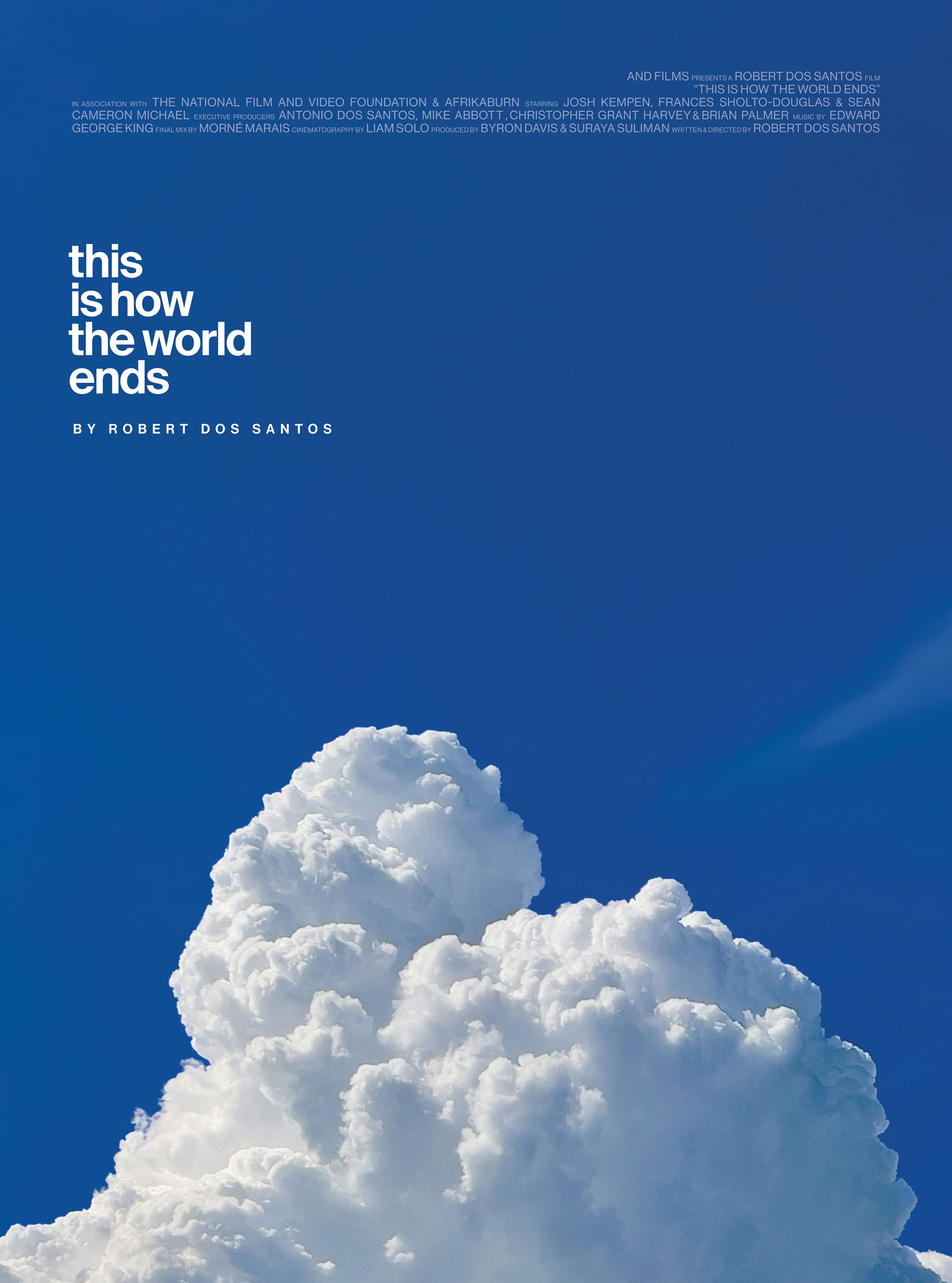
In a world increasingly dominated by digital streaming and online content, one director is taking a bold step back in time. Robert dos Santos, a Portuguese filmmaker born in South Africa, has made history by releasing the first movie to be available on VHS in 20 years. His latest film, This Is How the World Ends, marks a significant departure from modern trends, challenging the notion that films must be accessible at the touch of a button.
Dos Santos is no stranger to innovation. Known for his work in short films and music videos, he gained recognition with his 90-second narrative short A Moment, which won Best Film at the Los Angeles Film Awards in 2021. Now, with This Is How the World Ends, he continues to defy convention, choosing a format that many believe has long since faded into obscurity.
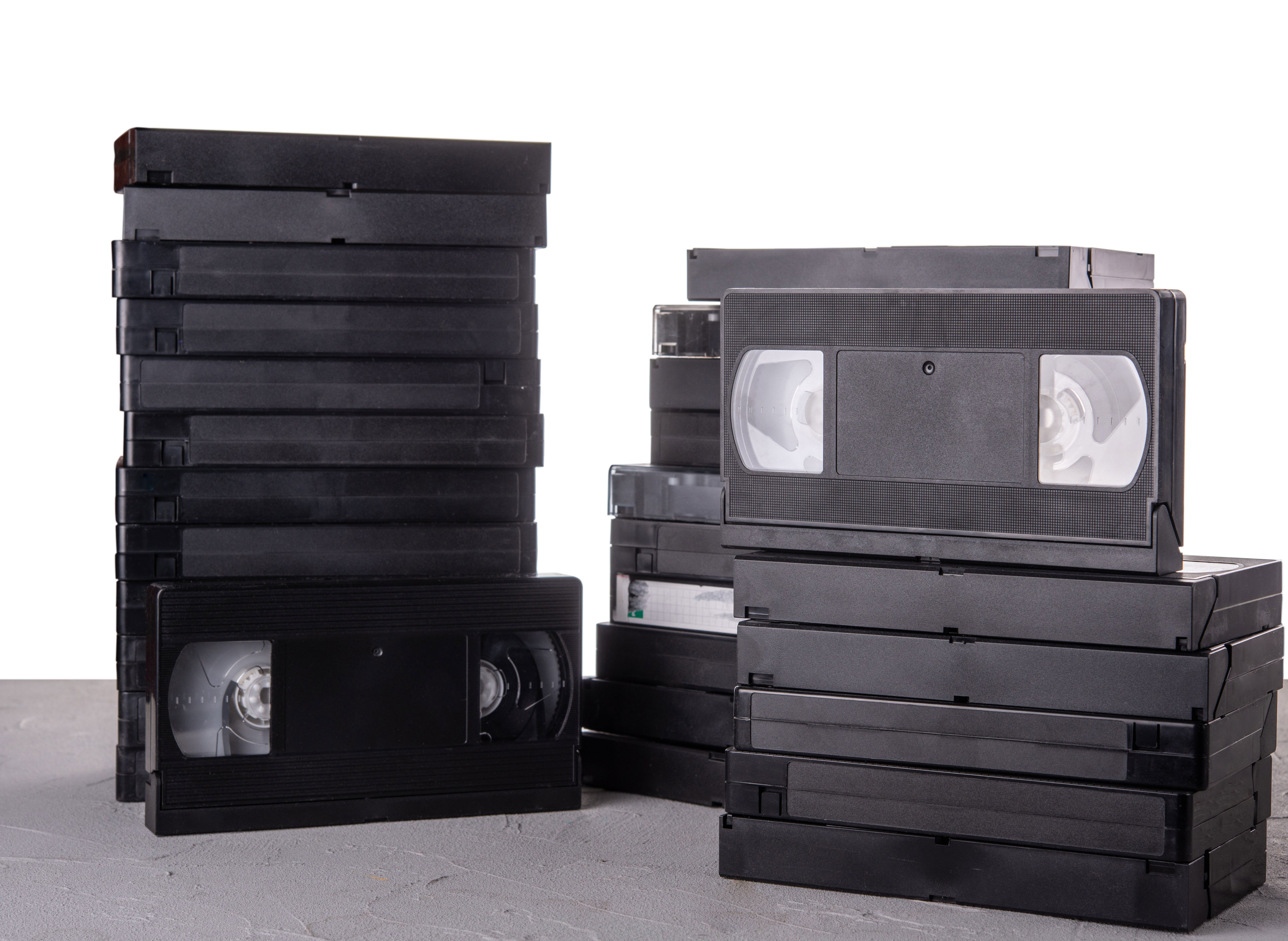
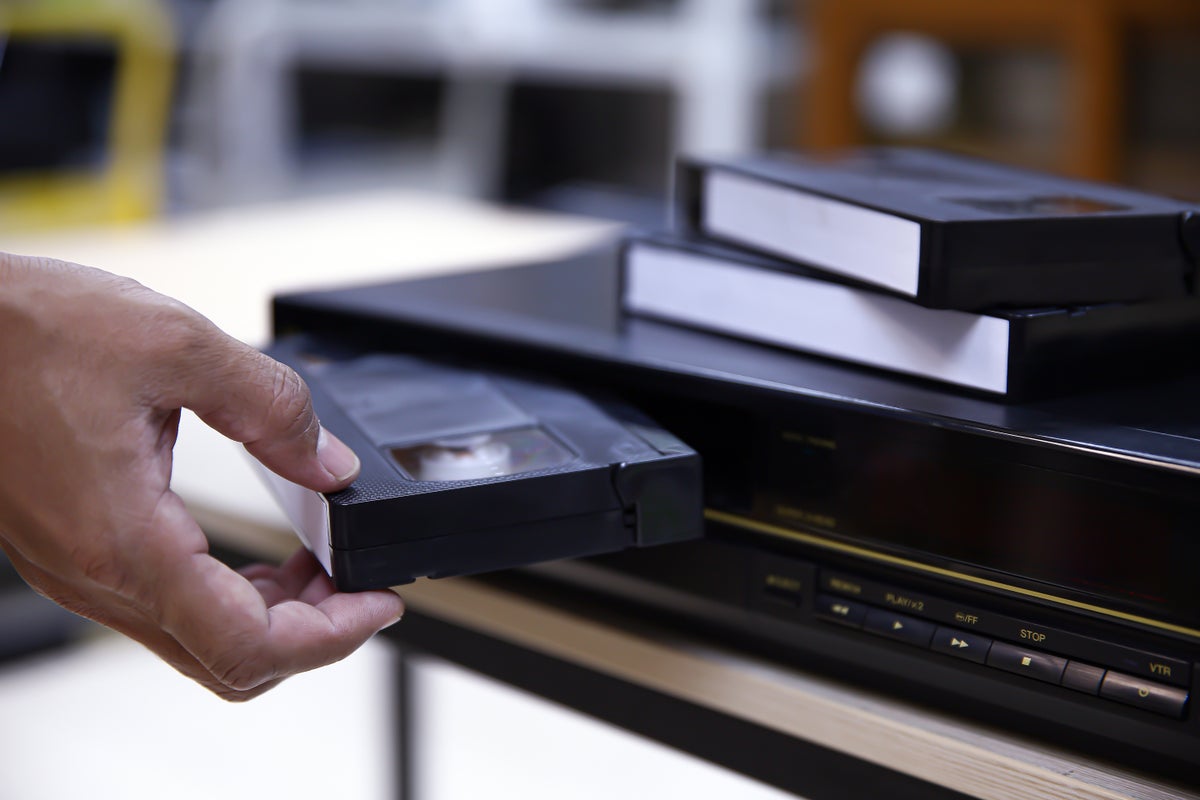
VHS players were officially discontinued in 2016, more than a decade after they were largely replaced by DVDs. This means that dos Santos’s film can only be viewed by those who still own a VCR. For many, this might seem like an unnecessary challenge, but for dos Santos, it’s a deliberate choice.
Speaking about his decision, dos Santos explained: “It’s a film made by humans for humans. I want people to feel something that’s imperfect, because VHS is not a perfect medium, but there’s also a physical process to it. You have to order a tape and, for some people, actually go out and buy a VCR.”
He continued: “I’m asking people to do a lot, but that’s what it means to be a human. That’s what it means to exist in this lifetime, to actually participate in the act of life, and not to just allow things to happen. It’s to go out there, and feel the bumps and the grooves of life.”
The Rise of Physical Media
While streaming services have revolutionized how we access films, they have also sparked debates about cost and ownership. Subscriptions can be expensive, and the content available is subject to change without warning. Unlike a physical copy, which can be kept forever, streaming services have the power to remove titles from their libraries, making certain films inaccessible to viewers.
This has led to a resurgence in interest in older forms of physical media. DVDs, Blu-Rays, CDs, and even vinyl records have seen a boost in sales, driven largely by Gen Z’s nostalgia for the past.
Despite this, physical media sales still declined by nine per cent in 2025. However, this is a smaller drop compared to the over 20 per cent declines in 2023 and 2024. Dos Santos acknowledges that most people may never be able to watch This Is How the World Ends, but he is content knowing that those who are dedicated to the classic medium will be able to experience it.
“I love the idea that you need to be part of the club to watch this. It’s for people that have a specific taste. There is a band of human beings who really understand what we’re doing,” he said.
Future Plans for the Film
Dos Santos has plans to expand the reach of This Is How the World Ends. He intends to release the film on DVD and Blu-Ray before it makes its way to cinemas and eventually streaming platforms. This gradual rollout reflects his belief in the value of physical media and the experience it offers.
For now, the film remains a unique experiment in a digital age. It challenges viewers to engage with the film in a more hands-on way, reminding them of the joy of owning a physical copy and the effort required to access it.
As the film industry continues to evolve, dos Santos’s project serves as a reminder that not all progress is about speed or convenience. Sometimes, stepping back in time can offer a deeper connection to the art itself.