The Early Days of Star Wars: A Story of Transformation
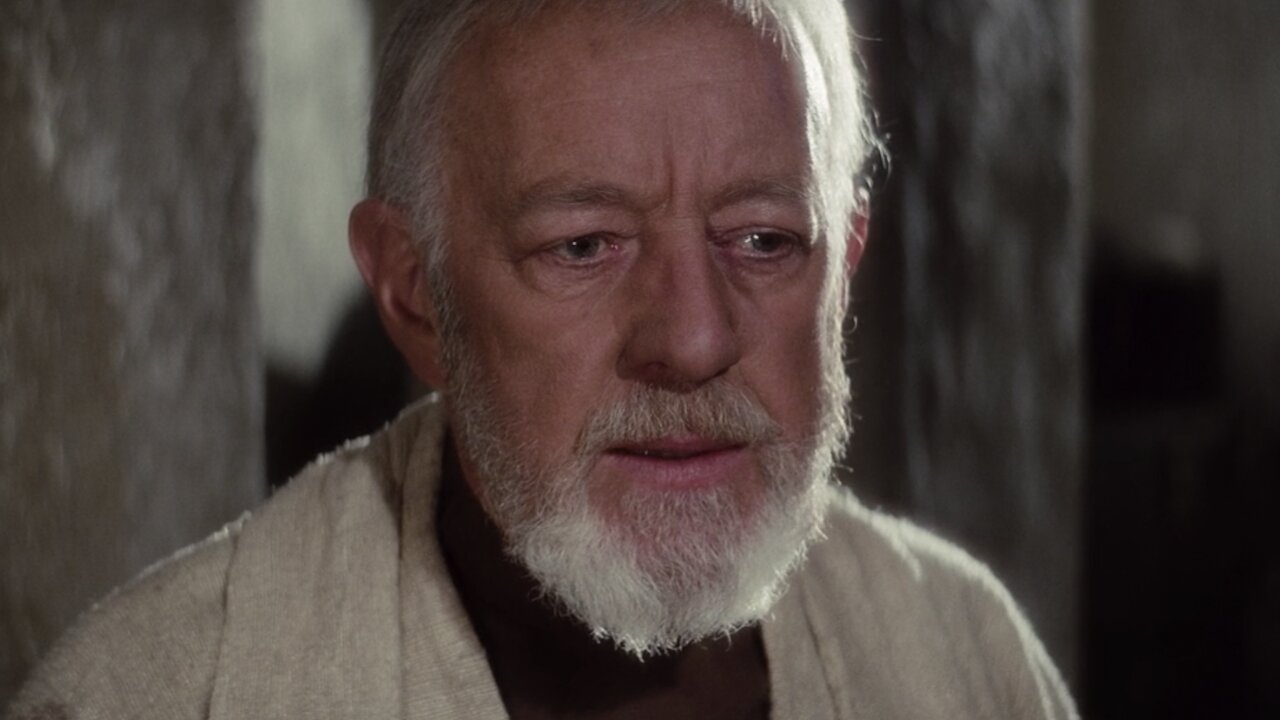
Before ‘Star Wars’ became a celebrated masterpiece, it faced a lot of criticism. Initial responses labeled it crude, unpolished, and even cringeworthy. One of the most notable figures to voice his concerns was Sir Alec Guinness, who played Obi-Wan Kenobi in the film. He described the script as “ropey,” a term that highlights his initial disappointment with the work.
Sir Alec Guinness was not just any actor; he was an esteemed theater performer with a rich background. From ‘Romeo and Juliet’ to ‘The Seagull,’ he had lent his talents to some of the finest theatrical productions. This experience made his opinion on the script particularly significant.
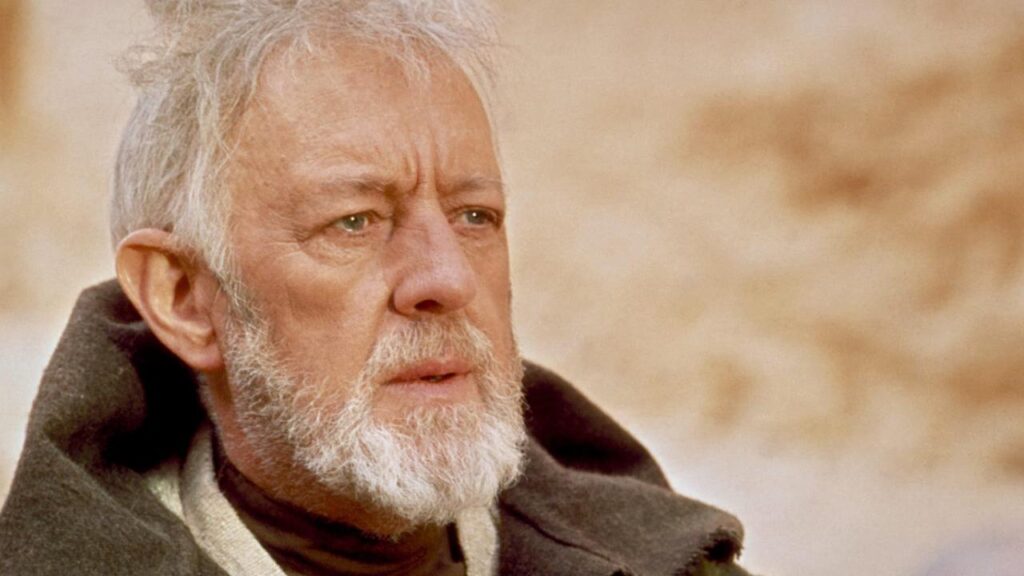
His first impressions of George Lucas’s script were quite negative. However, despite his initial reservations, Guinness found himself drawn into the story. He shared this experience during an interview on the BBC talk show ‘Parkinson,’ hosted by Michael Parkinson.
“I started reading, and it seemed to me that the dialogue was pretty ropey, but I had to go on turning the page,” he explained. “I mean, that’s essential in any script. You’ve got to know what happens next, or uh, or what’s going to be said next.”
One of the main reasons for his initial dissatisfaction could have been the convoluted nature of the script. As a first draft, it likely contained errors and plot holes. However, it was the rewriting process that ultimately transformed the film into the beloved classic it is today.
The Art of Rewriting: Transforming a Messy Script
Guinness wasn’t the only one who found the first draft of the script challenging. Harrison Ford, who portrayed Han Solo, also felt the same way. He found the lines to be a bit cheesy and even told Lucas, “You can’t type this sh–.” The writing team took these criticisms seriously and made necessary edits and changes to the script.
Gloria Katz and Willard Huyck played a significant role in helping Lucas refine the draft. In the same interview, Guinness recalled his contribution, saying, “I went on reading. I thought, ‘No,’ and then I [was] like… ‘If only we can get some of the dialogue altered,’ and then I met him [Lucas], we got on very well, and I found myself doing it, that’s all, and he made more money than any other movie he ever made.”
The cast’s perception of the script as messy was due to its convoluted plot. Lucas introduced names and ideas, but the storyline lacked direction. Characters like Han Solo were initially depicted as a green monster, while Luke was a Jedi General. The overload of political undertones made the narrative overly complicated.
Lucas refined the script four times before finally completing it in 1976, with Guinness eventually approving the final version. The actor earned 2.25% for his insights and expertise on the film’s script, but that was not all. The movie’s first screening left him invigorated and changed his perception of the sci-fi genre.
He previously labeled the idea as “Oh crumbs” because he found the script clunky and not very character-driven. However, he later described the experience as refreshing, as London looked gritty and the film offered a fresh perspective.
The Legacy of Sir Alec Guinness
Sir Alec Guinness appeared in the original ‘Star Wars’ trilogy (1977-1983) as the beloved Obi-Wan Kenobi. Even 26 years after his passing, Guinness continues to shape and redefine cinema through his perspective and contributions. His journey from initial skepticism to eventual appreciation highlights the transformative power of rewriting and collaboration in filmmaking.
His experience with the script serves as a reminder that even the most iconic films can start with rough drafts and critical feedback. It also underscores the importance of perseverance and adaptability in the creative process. Through his work, Guinness left an indelible mark on the world of cinema, ensuring that his legacy would endure for generations to come.