The Struggles of GAC in the Chinese Automotive Market
Japanese automotive brands are increasingly seeking partnerships with Chinese companies to create more affordable and globally competitive models. However, this strategy is not always successful. GAC, a Guangzhou-based automaker that has recently entered the Australian market, is currently facing significant challenges.
GAC, which has long-term partnerships with Toyota and Honda, has been losing money on every vehicle it sells due to an intense price war in the Chinese domestic market. This competition has been particularly fierce with companies like BYD and others. The company’s financial struggles have been highlighted in recent reports by Nikkei Asia, which noted that at one point, GAC was losing approximately A$1714 on each vehicle sold under its own branding.
In its annual results announcement for the full year of 2025, GAC attributed its revenue loss to “intense competition in the automobile industry.” The company also warned about the risks to its future business, citing “increasing survival pressure on automobile enterprises and entering the high-speed shuffling phase of survival of the fittest.”
Challenges in the Chinese Market
The level of competition in the Chinese market has directly impacted GAC’s profit margins. With Chinese brands capturing around 70% of sales in the local market, joint-venture brands are feeling the pressure. GAC’s annual results documents revealed some key realities of the Chinese market that are driving the push for longer-range plug-in hybrid models, which are becoming more common in Australia.
GAC highlighted that technical requirements for vehicles eligible for tax reductions and incentives have become stricter. Specifically, the pure electric mode range and energy consumption standards for plug-in hybrid (including range-extended) passenger vehicles have been further tightened. If a company fails to meet these standards, its main models may not qualify for subsidies or market access.
To comply with these new regulations, companies must invest more in areas such as battery materials, thermal management systems, and low-carbon manufacturing processes. Additionally, the phase-out of purchase tax subsidies has reduced profit margins per vehicle, presenting severe challenges to the overall profitability of the industry.
As a result, GAC reported a decline in operating profit for two consecutive years and recorded its first loss since listing on the Hong Kong Stock Exchange in 2010.
Discounting Strategies and Market Pressures
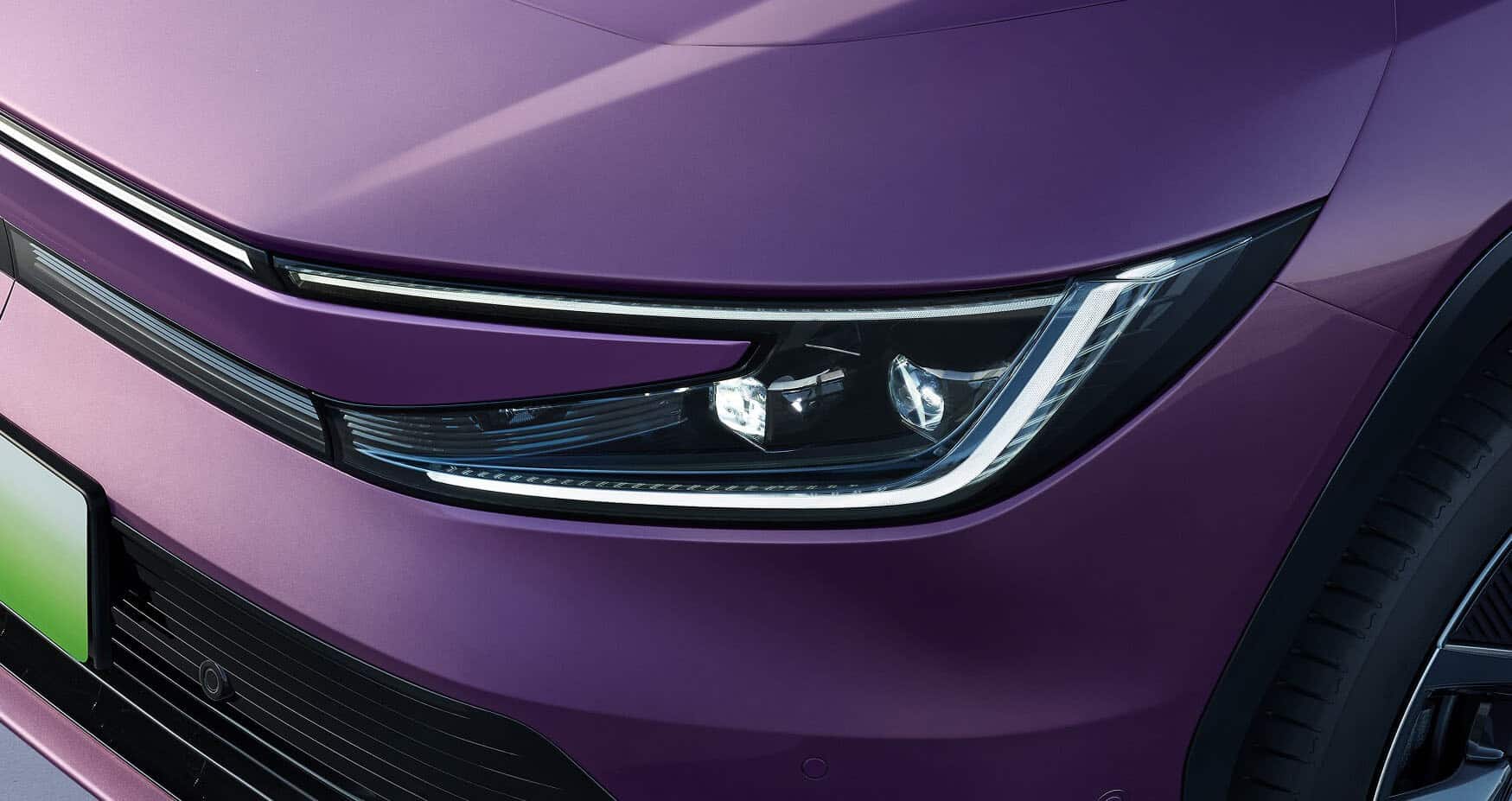
Nikkei Asia pointed out that GAC had been heavily discounting its Aion-branded vehicles, including the UT hatch and V mid-size SUV, which are sold in Australia. Despite these efforts, the company has struggled to meet volume expectations.
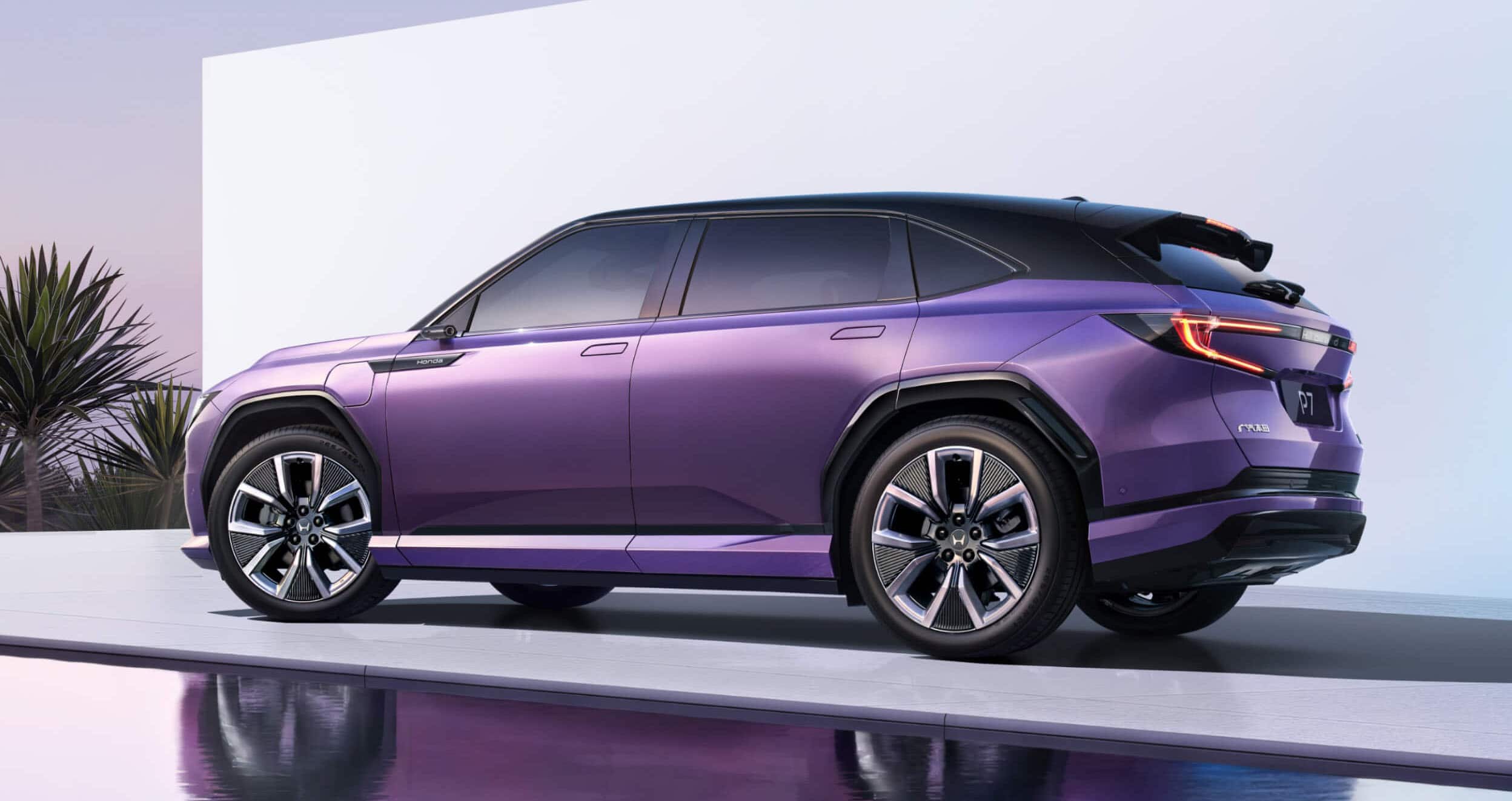
The bleak competitive landscape comes as GAC’s long-term joint-venture with Honda is set to be renewed by 2028 after 30 years. Honda-branded JV vehicles in China have experienced a slump, coinciding with its Japanese parent company recording its first ever financial year loss for the 2025 Japanese Financial Year. This loss was attributed to expensive global EV investments, which amounted to approximately $12.5 billion AUD and were subsequently cancelled and written down.
Honda executives have reportedly been meeting with GAC to discuss the future of their partnership, but no decision has been made yet. In contrast, Nissan is deepening its successful joint-venture with Dongfeng, which has produced well-received models with global potential, such as the N7 sedan, NX8 SUV, and Frontier Pro ute.
Export Plans and Market Shifts
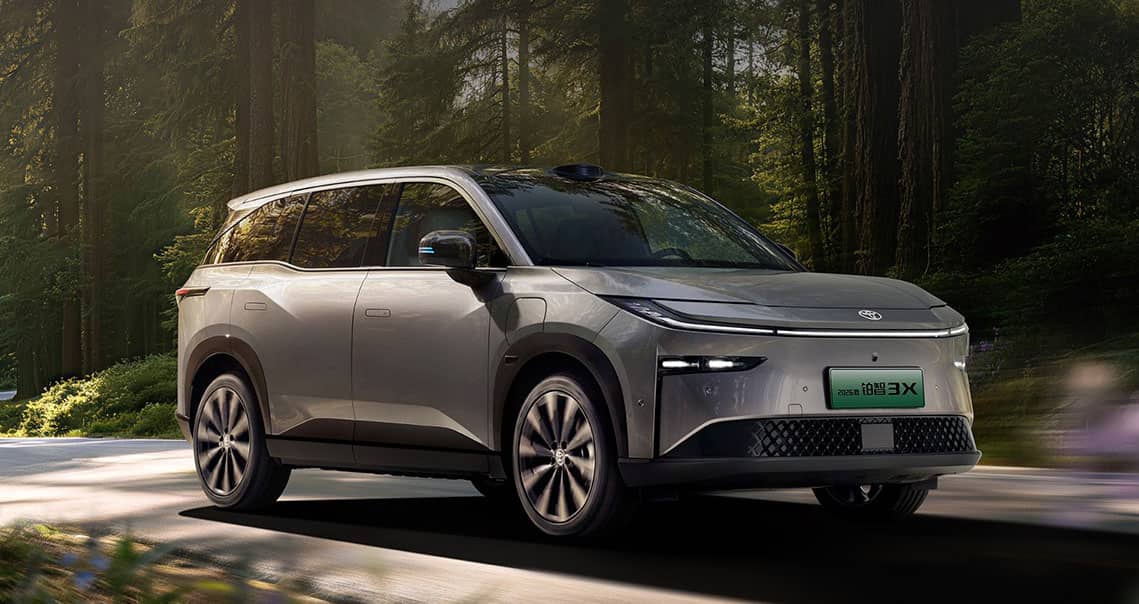
GAC and Honda do not have plans to export cars to markets like Australia. However, GAC’s joint-venture with Toyota has been more successful in China and has launched in right-hand drive markets such as Hong Kong.
Market troubles in China have benefited the Australian market, as many brands seek higher-margin markets to absorb production capacity and boost profits. This trend has contributed to the crowded and competitive new car landscape in Australia.
Future Outlook and Strategic Moves
Despite the challenges, GAC continues to navigate the evolving automotive landscape. The company is focusing on adapting to stricter regulations and investing in new technologies to remain competitive. As the market shifts, GAC will need to find innovative ways to sustain its operations and maintain its position in both the Chinese and international markets.