A Life of Dedication and Inspiration
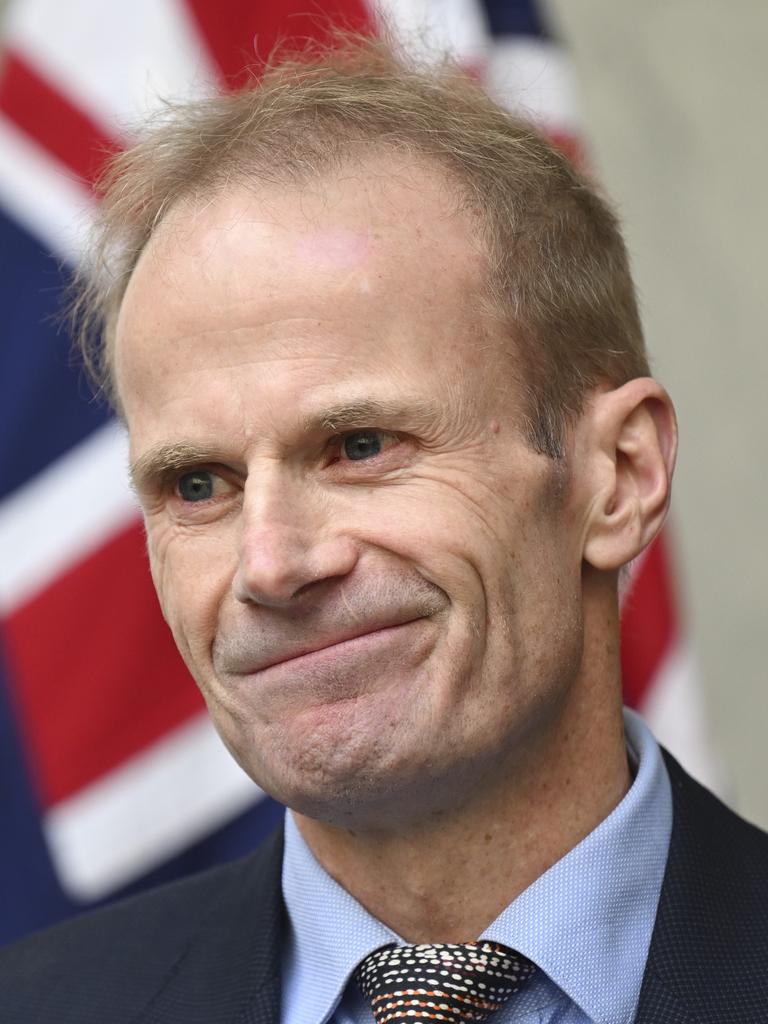
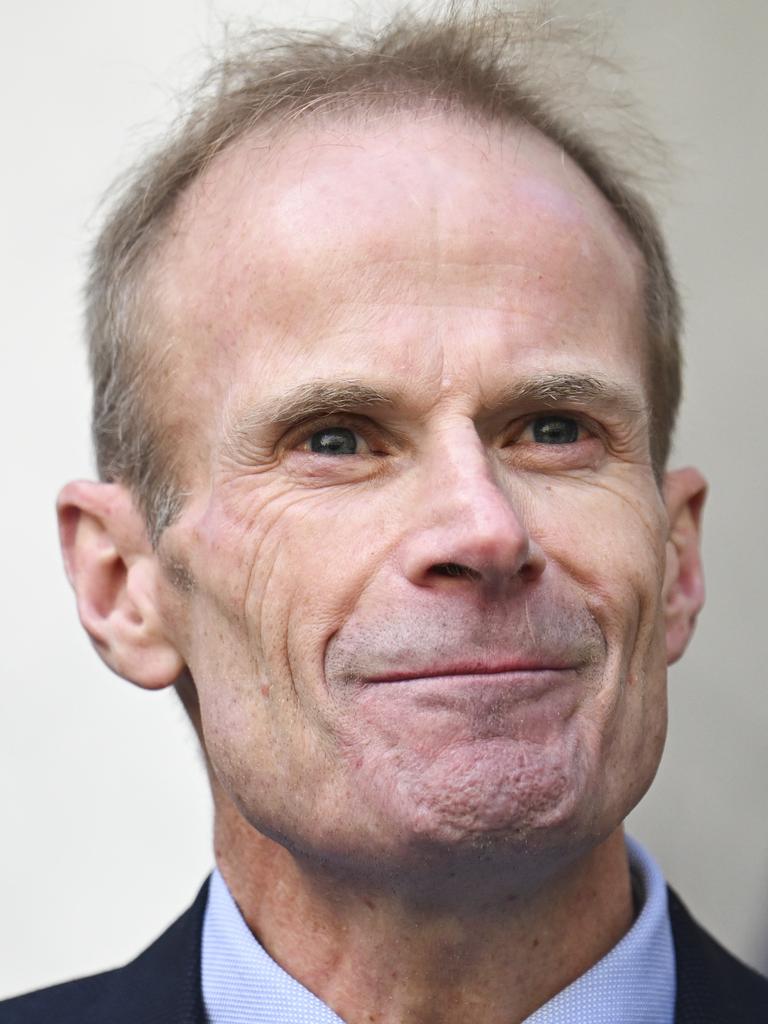
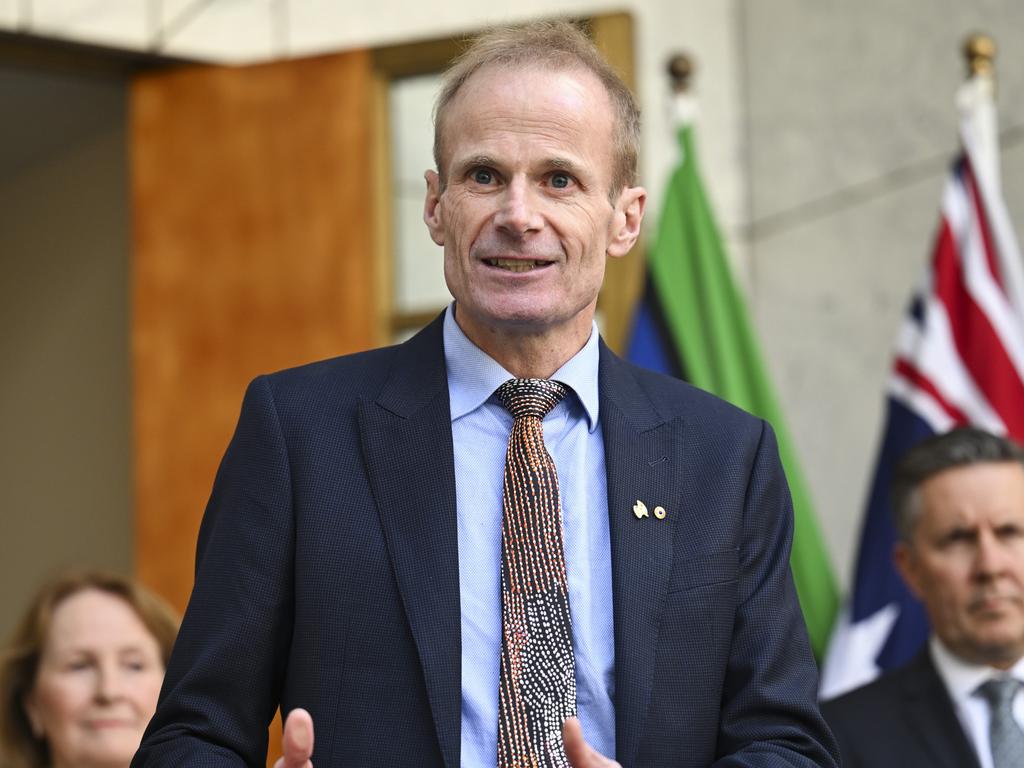
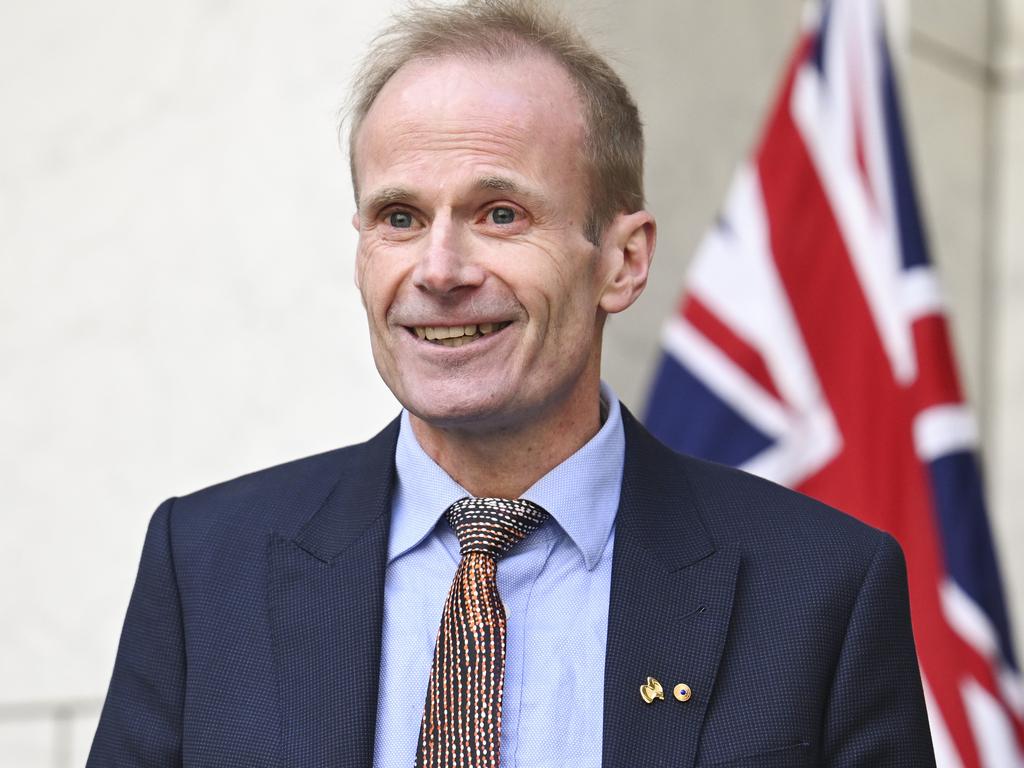
Family and friends of Richard Scolyer, a pioneering cancer specialist and former Australian of the Year, have shared heartfelt tributes following his passing after a three-year battle with glioblastoma, an aggressive form of brain cancer. He passed away at the age of 59, leaving behind a legacy that will continue to inspire generations.
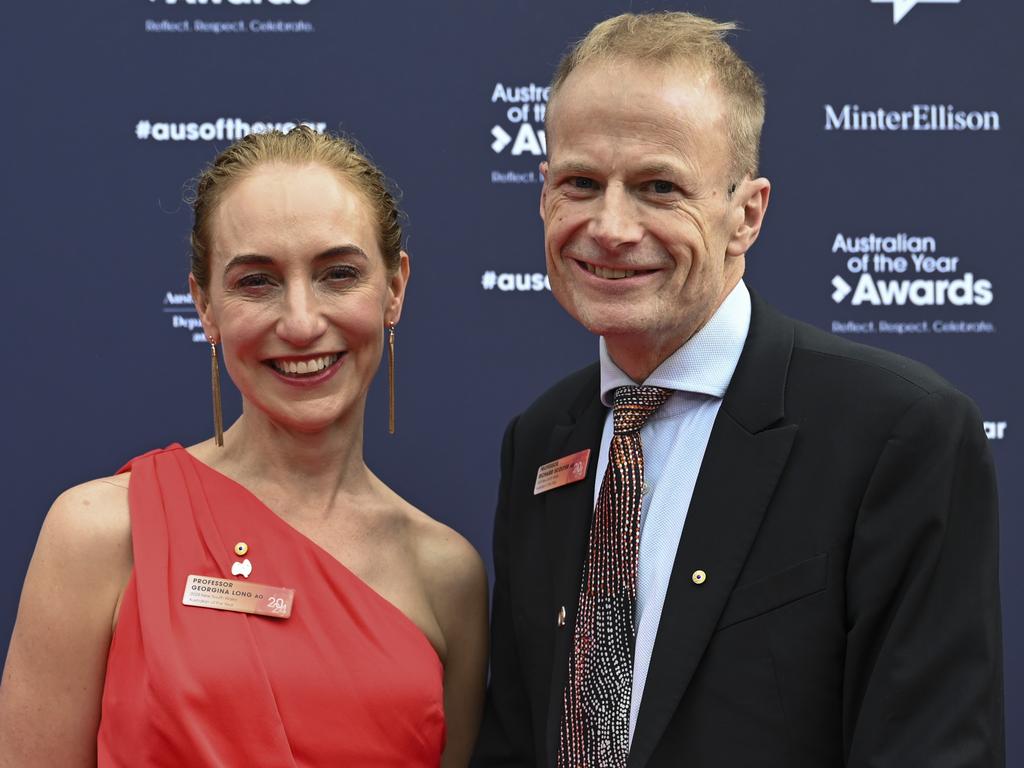
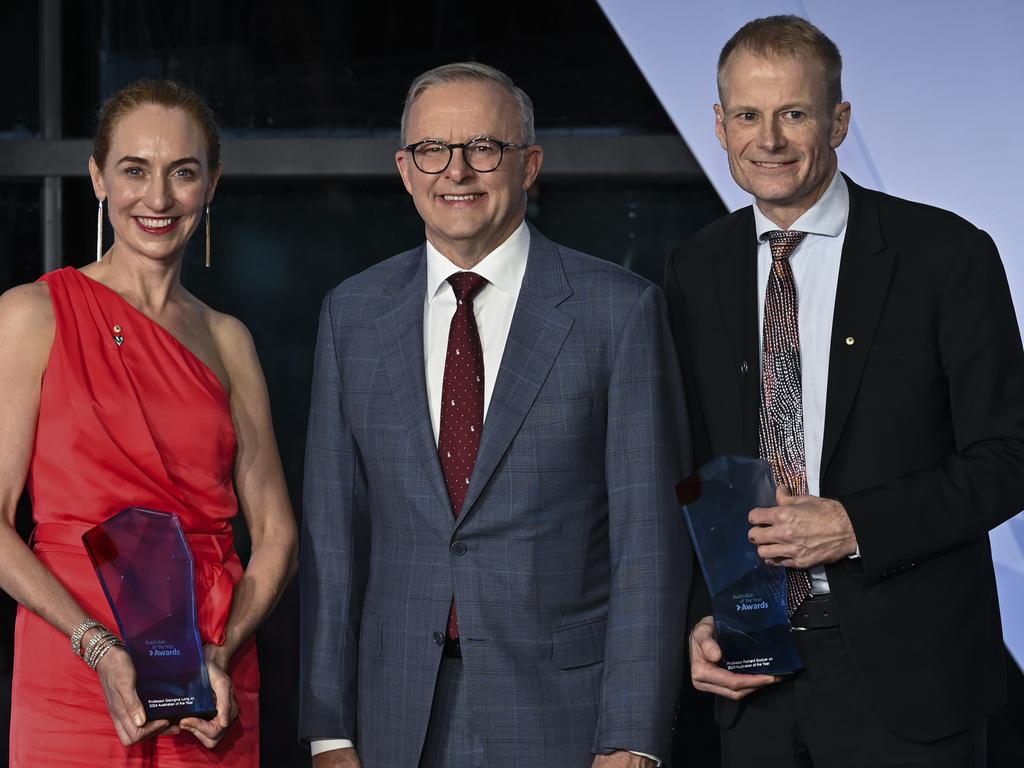
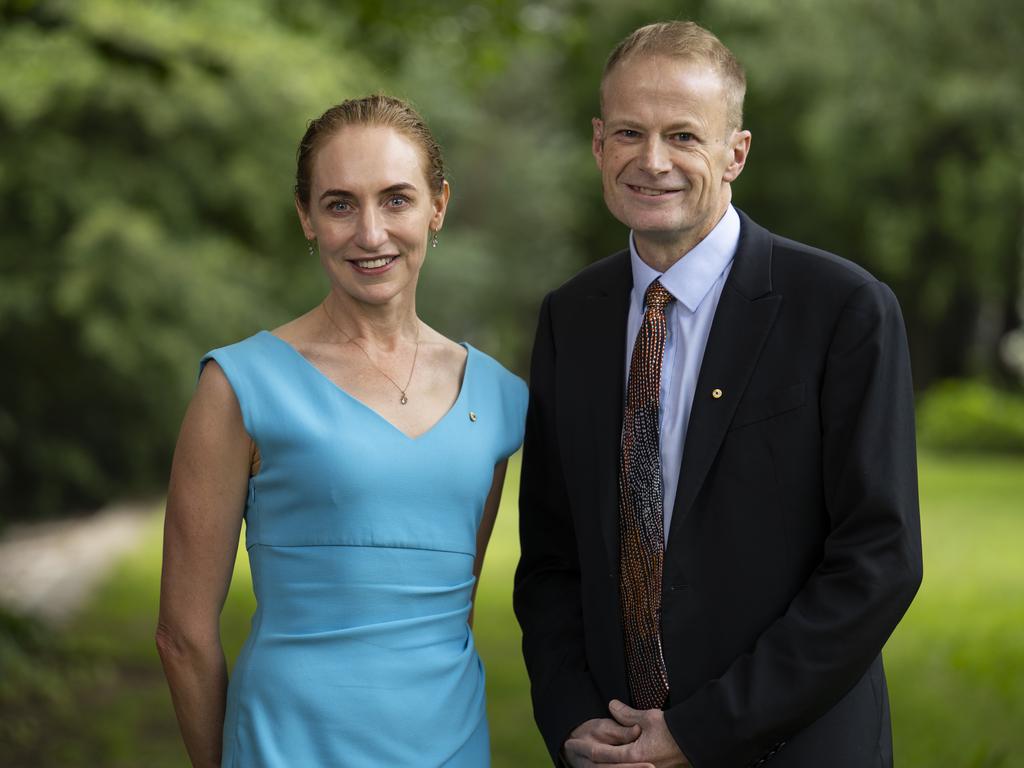
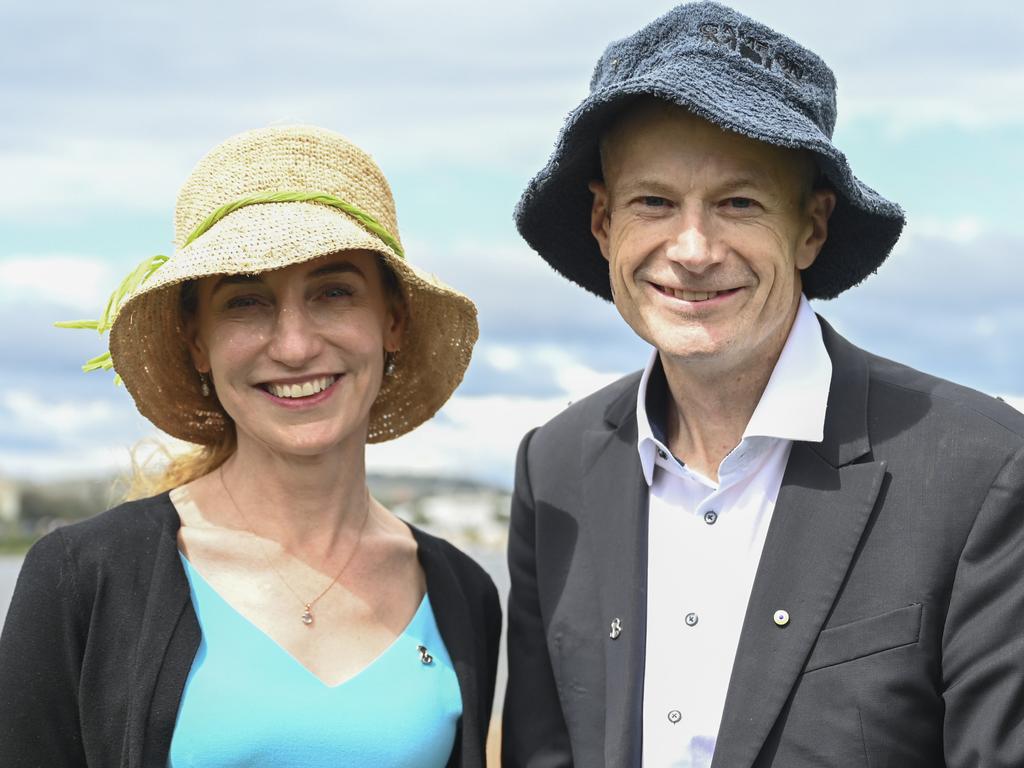
Professor Scolyer was diagnosed with glioblastoma in May 2023. Despite the grim prognosis, he remained committed to his work and continued to push boundaries in cancer research. He was named co-Australian of the Year in 2024 alongside colleague Georgina Long, and together they pioneered a world-first treatment for melanomas.
A Devoted Family Man
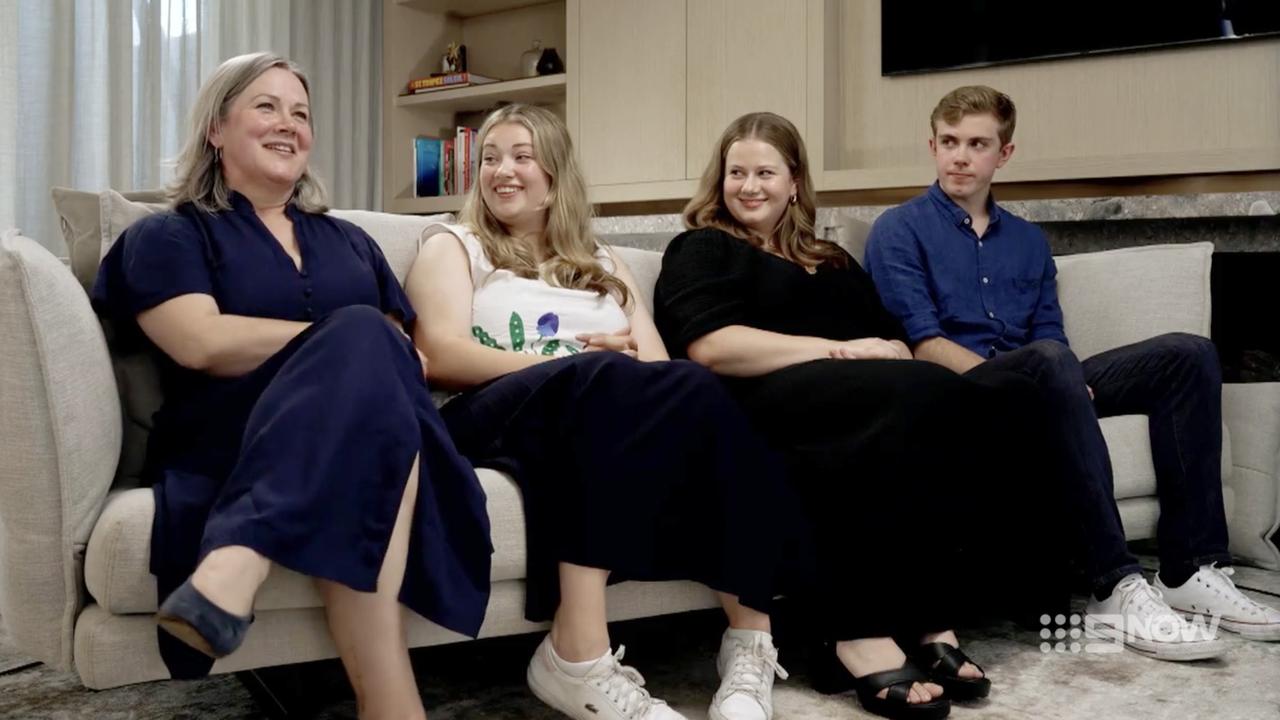
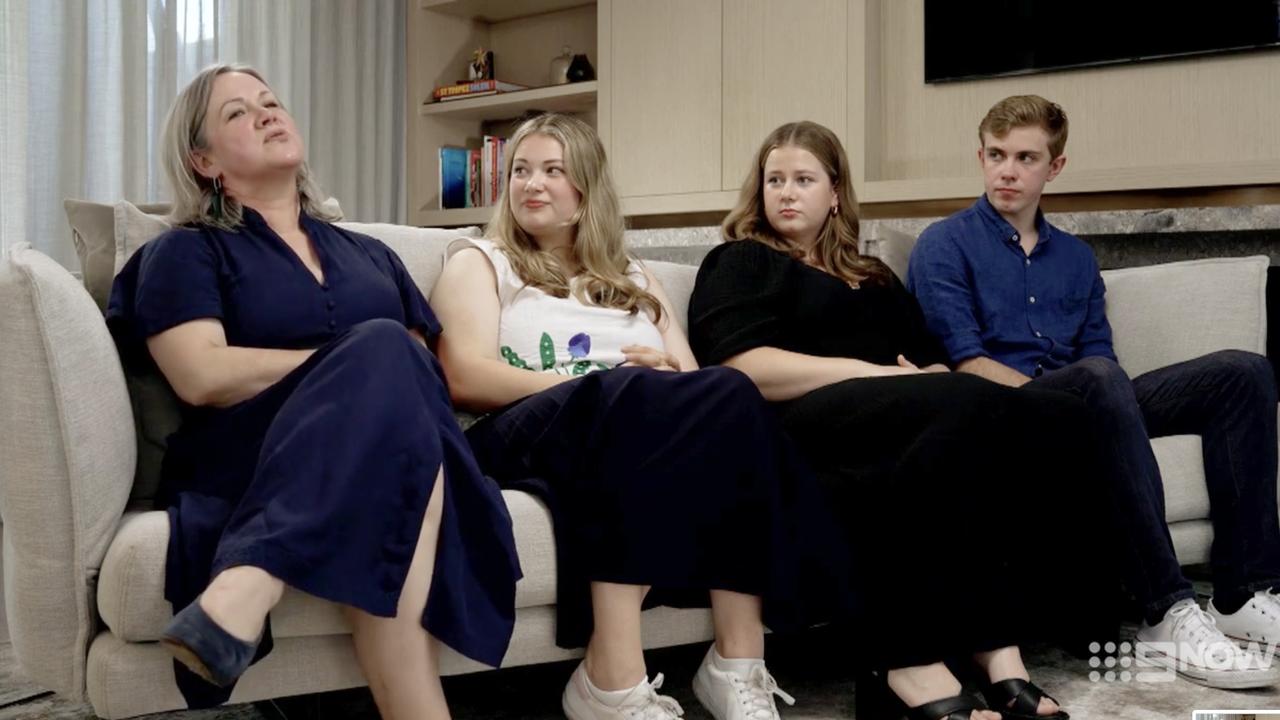
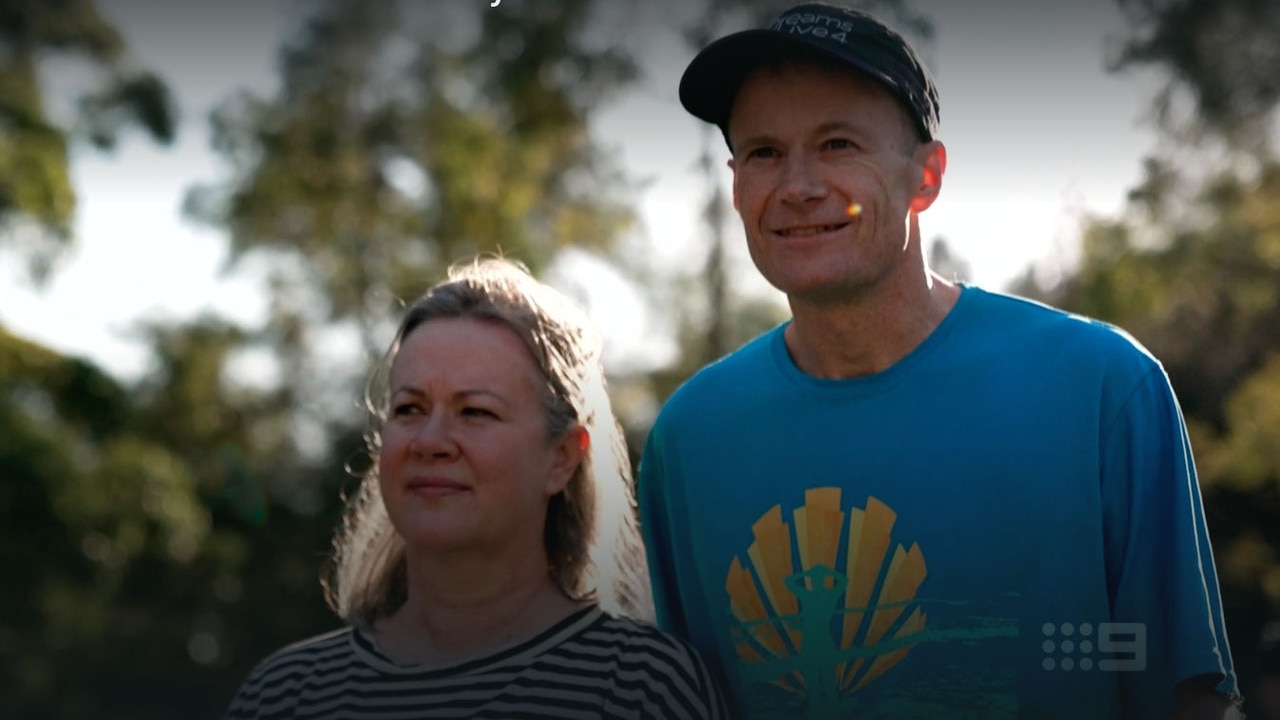
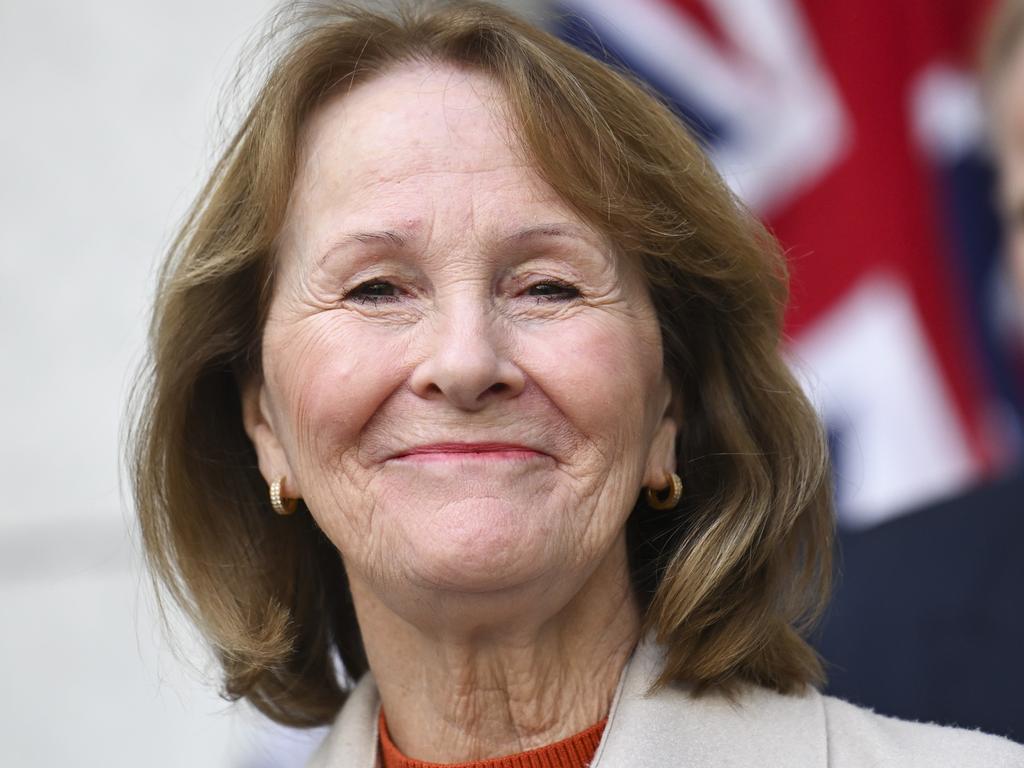
In a tribute program aired on Channel 9, Professor Scolyer’s wife, Katie Nicoll, spoke about her husband’s zest for life and dedication to his family. “He had a real zest for life, an enthusiasm to give something a go, and I guess that’s carried through his whole life,” she said. She highlighted how he was always involved in the little things with their children, from packing sandwiches for bike rides to waking up early for swimming training.
Ms Nicoll emphasized that her husband’s legacy is simple but powerful: “His legacy is for people to get out there and have a go and do what you can. Whatever that is, give it a go.”
Memories from His Children
Professor Scolyer’s children also shared precious memories of their father. His daughter Emily noted that he always made his family his number-one priority, even with his busy schedule. “Even though he had such a busy life, he made the time to do something together that was important to us,” she said.
Daughter Lucy expressed gratitude for the opportunity to share her father’s story with the world. “I know how great my dad is, and now everyone gets to see that too,” she said.
A Friend Who Saved a Life
Professor Scolyer’s friend Jim Finlay credited him with saving his life. “I had a melanoma on my ear, and I had it looked at and everyone (said it was) okay, but he saw it and said, ‘you’ve got to go see a doctor’,” he said. “He saved my life. That’s a symptom of our friendship that I’m still here.”
A Peaceful Passing
Professor Scolyer died while in palliative care at Concord in Sydney’s west, according to Chris O’Brien Lifehouse patient advocate Gail O’Brien. His brother-in-law, Chris Nicholl, described his passing as peaceful, surrounded by loved ones. “Richard was passionate, talented, selfless and loyal,” he said.
He added that Professor Scolyer’s life was “committed to science, medicine and his world-leading research into fighting melanoma.” He was an exceptional communicator and one of the world’s leading experts in his field, traveling the world to share his work and push the research forward.
A State Funeral for an Extraordinary Man
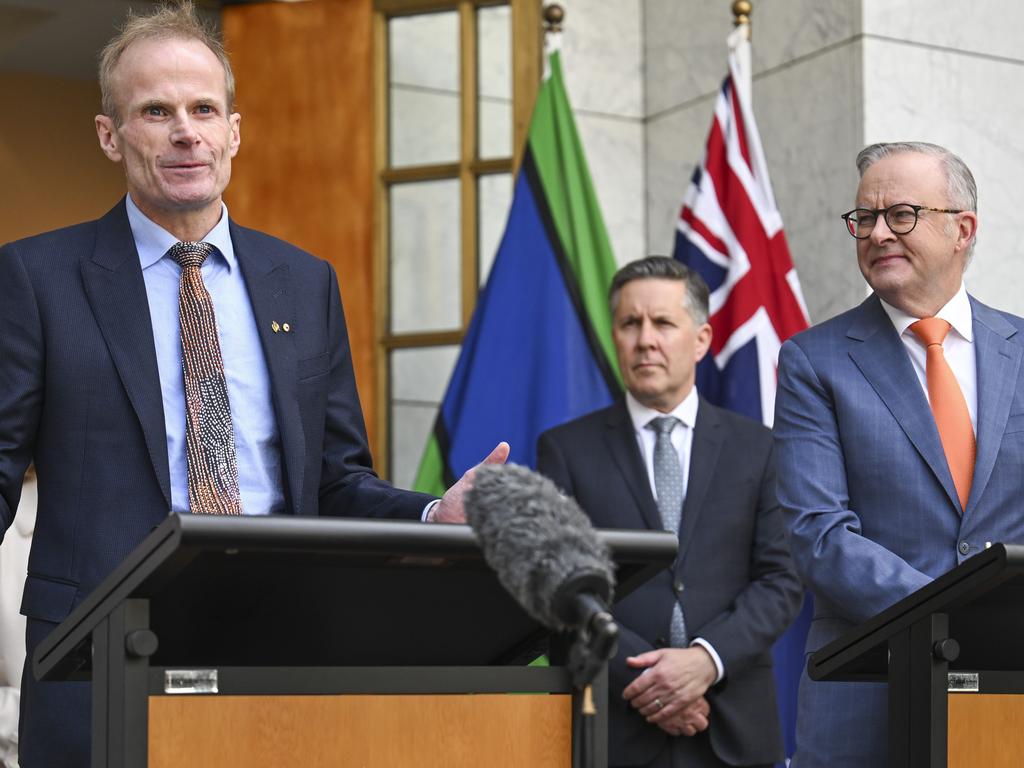
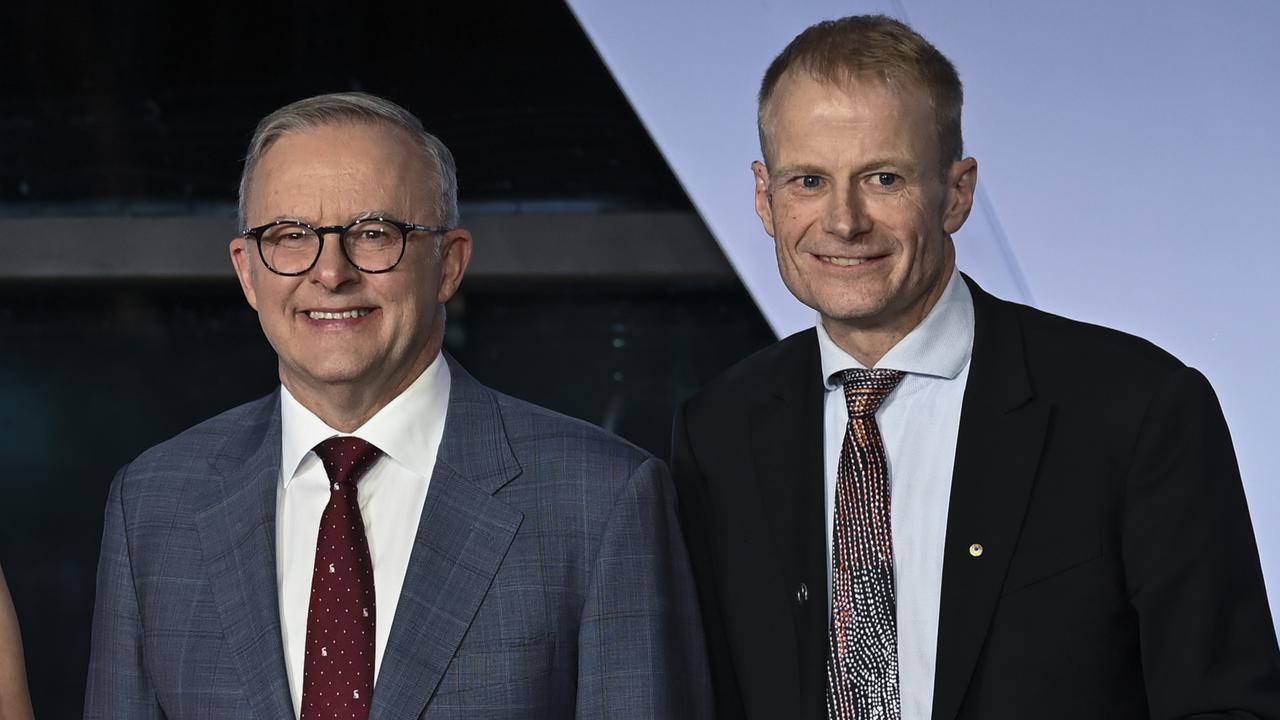
Prime Minister Anthony Albanese described Professor Scolyer as one of the country’s “brightest lights” and “one of our biggest hearts.” He confirmed that Professor Scolyer would receive a state funeral. “The hearts of all Australians go out to his wife, Dr Katie Nicholl, who I spoke with this morning and offered a state funeral for Professor Scolyer, which has been accepted,” he said.
Mr Albanese shared a final letter from Professor Scolyer, in which he expressed his desire to be remembered as a proud everyday Aussie who “gave it a crack.” He wrote, “We all have a responsibility to try to change the future for others and leave the world a better place.”
Tributes from Colleagues and Leaders
Georgina Long, former co-Australian of the Year, described Professor Scolyer as a “cherished” colleague. “His knowledge was vast, his skill exceptional, with an unparalleled eye for accurate tissue diagnoses,” she said.
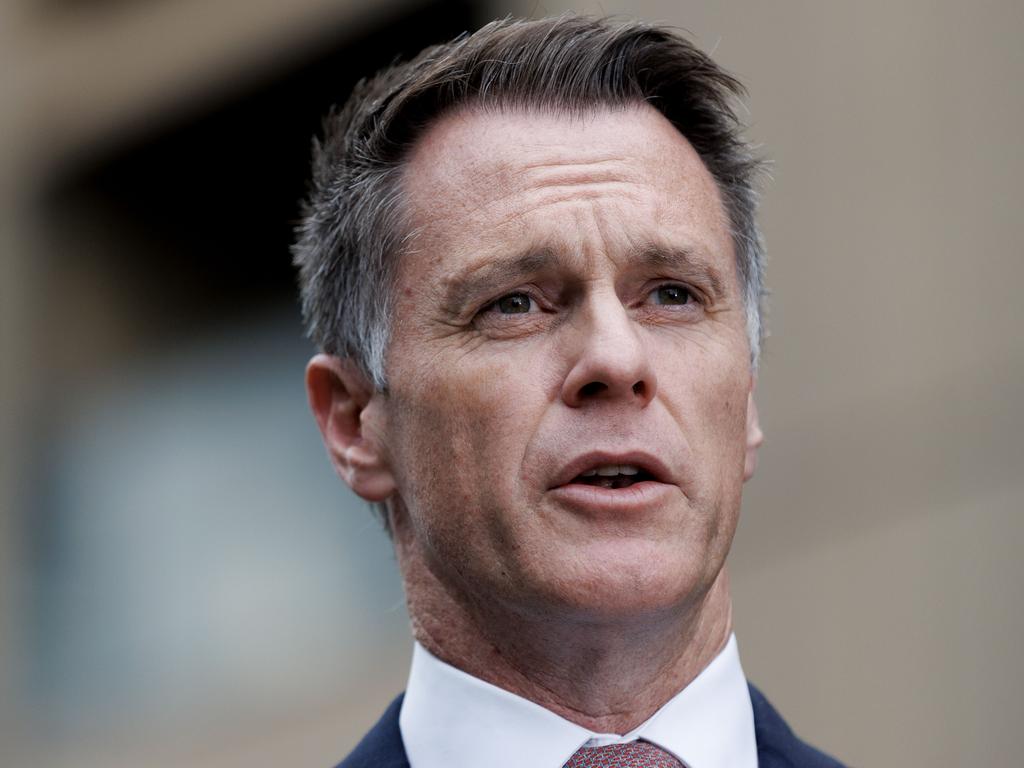
NSW Premier Chris Minns praised Professor Scolyer as a “great Australian, a pioneering scientist, and an inspiring example of grace in his final years.” He noted that thanks to his research, advanced melanoma went from a death sentence to a curable disease.
NSW Health Minister Ryan Park acknowledged Professor Scolyer’s lifelong dedication to cancer research. “His legacy will remain in the lives changed and saved,” he said.
A Final Message to Australians
In his open letter, Professor Scolyer reflected on his journey and wished to be remembered as a proud everyday Aussie who “gave it a crack.” He encouraged others to keep striving for progress in cancer research and to support those affected by the disease.
“I hope I have in some small way made the road ahead easier and smoother for others,” he wrote. “If my legacy was to continue beyond these words, I would be delighted and humbled to be remembered as a proud everyday Aussie who ‘gave it a crack’ and, in doing so, inspired others to pursue their dreams and passions with humility, love and compassion.”