The Unlikely Savour of Monty Python’s Most Controversial Film
The year 1978 was poised to be a monumental disaster for the legendary British comedy troupe, Monty Python. Days before shooting was set to commence on their most audacious and controversial project, Life of Brian, their financial lifeline was abruptly severed. The film, already deep in pre-production with locations scouted, cast assembled, and crew hired, found itself on the precipice of cancellation. The very existence of the film hung precariously in the balance, a testament to the volatile nature of creative endeavours, especially those that dare to push boundaries.
EMI’s About-Face: A Near Catastrophe
The initial financial backing for Life of Brian came from EMI Films. Under a financing deal, all the meticulous groundwork for the production was being laid. However, a sudden and dramatic shift occurred when Bernard Delfont, the head of EMI, reportedly read the screenplay. His alleged reaction was one of profound unease, finding the film’s satirical take on religious themes too controversial for the studio’s comfort. This apprehension led EMI to withdraw its financial support, leaving Monty Python in a dire predicament.
With their primary financier pulling out at the eleventh hour, and significant funds already committed to pre-production expenses, the troupe faced an insurmountable hurdle. The prospect of abandoning the project before a single frame was shot loomed large, a crushing blow after months of dedicated planning and creative development.
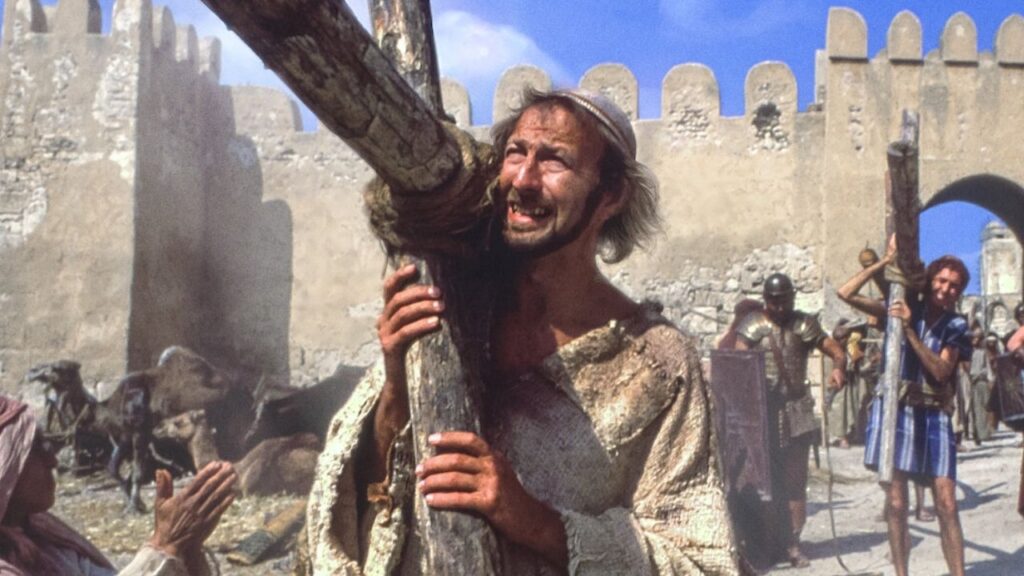
George Harrison to the Rescue: A Beatle’s Bold Gamble
In this moment of crisis, with traditional investors understandably wary of the film’s provocative subject matter, Eric Idle, a key member of Monty Python, turned to an unexpected source for help: his friend and devoted fan, George Harrison. The former Beatle, known for his eclectic interests and philanthropic spirit, proved to be the unlikely saviour the project desperately needed.
Instead of chasing after another hesitant studio or a consortium of investors, Harrison, along with his business partner Denis O’Brien, decided to take matters into their own hands. They established a new company, HandMade Films, specifically to finance Life of Brian. This bold move saw them invest approximately £3 million into the production. Whispers suggest that Harrison even mortgaged his own Friar Park estate to raise the substantial sum required, demonstrating an extraordinary level of commitment to the cause.
When questioned by reporters about his decision to pour such a significant fortune into a project that had been shunned by others, Harrison’s famously understated reply was that he “simply wanted to see the movie.” This seemingly simple desire, born from a genuine appreciation for Monty Python’s unique brand of humour, inadvertently became the catalyst for one of cinema’s most extraordinary rescue missions.
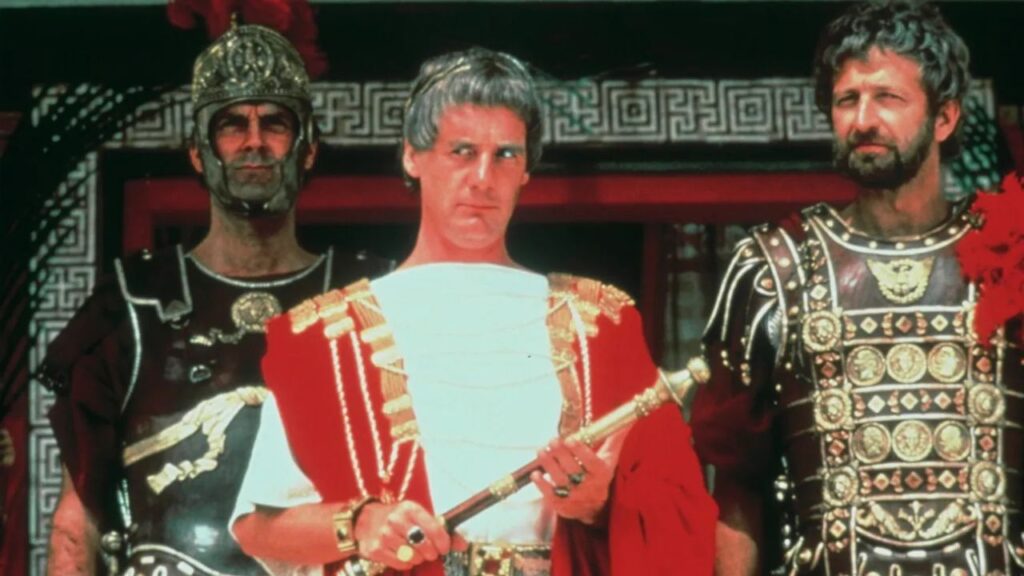
The “World’s Most Expensive Cinema Ticket” and a Lasting Legacy
Harrison’s gamble, initially described by Eric Idle as the “world’s most expensive cinema ticket,” paid off handsomely. Monty Python’s Life of Brian not only saw the light of day but also went on to achieve phenomenal success, captivating audiences worldwide. The film’s sharp wit, philosophical undertones, and fearless satire cemented its status as a comedy masterpiece.
Decades later, critics and audiences alike continue to hail Life of Brian as one of the greatest comedy films ever made. Its enduring legacy is a testament to the courage of George Harrison and Denis O’Brien, who believed in the vision of Monty Python when others faltered. Their intervention ensured that a film that dared to question, provoke, and, most importantly, make people laugh, would not be lost to the annals of “what might have been.” The story of Life of Brian‘s near-demise and its subsequent salvation remains a compelling chapter in film history, highlighting the power of conviction and the impact of an individual’s willingness to support artistic expression, no matter how unconventional.