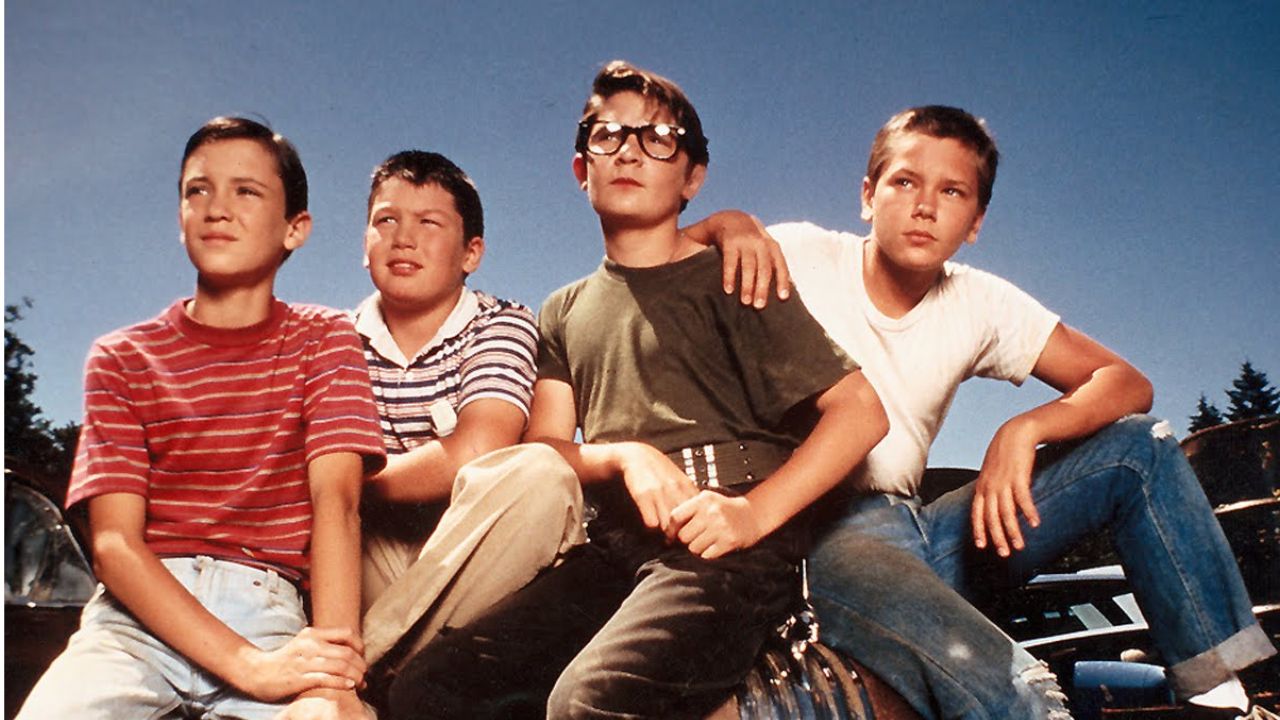
When Stephen King’s “The Body” Became “Stand By Me”: A Masterclass in Adaptation
Adapting beloved books for the silver screen is a notoriously tricky business. Whether filmmakers strive for a word-for-word translation or embrace creative liberties, the process often sparks debate. When the source material hails from a literary titan like Stephen King, the stakes, and the scrutiny, are significantly higher.
Director Rob Reiner faced this challenge head-on when he took on King’s novella, “The Body,” and reimagined it as the 1986 coming-of-age classic, “Stand By Me.” Reiner wasn’t afraid to deviate from the original text, and these seemingly small adjustments ultimately transformed the narrative in profound ways. So much so, in fact, that even Stephen King himself conceded the cinematic version surpassed his own creation.
“Stand By Me”: A Departure from the Original Narrative
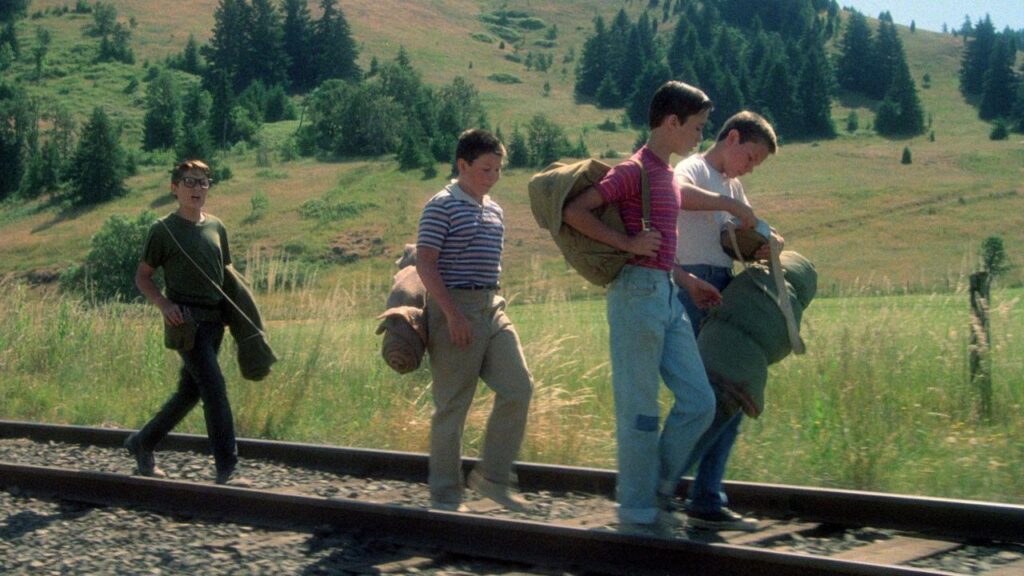
Stephen King’s novella, “The Body,” centres on Gordie Lachance, who recounts a pivotal period of childhood friendship with his companions Chris Chambers, Teddy Duchamp, and Vern Tessio in the fictional town of Castle Rock. The narrative kicks off when the boys learn of a local lad’s demise, struck down by a train. Driven by a desire for recognition as local heroes, they embark on a quest to find the body. What begins as a morbid scavenger hunt evolves into a much deeper, more challenging experience, particularly when they encounter a rival gang of older teenagers, led by Ace Merrill, who are also intent on claiming the discovery.
In King’s original novella, the climactic confrontation sees Chris drawing a gun, successfully intimidating Ace and his crew into retreating, though Ace does issue a veiled threat of future retribution. The story then circles back to Gordie’s present, revealing the tragic fates that befell his childhood friends. Chris is fatally stabbed while intervening in a brawl, Vern succumbs to a house fire, and Teddy dies in a car accident. Gordie, left to navigate adulthood, is left with only the poignant memories of his youth.
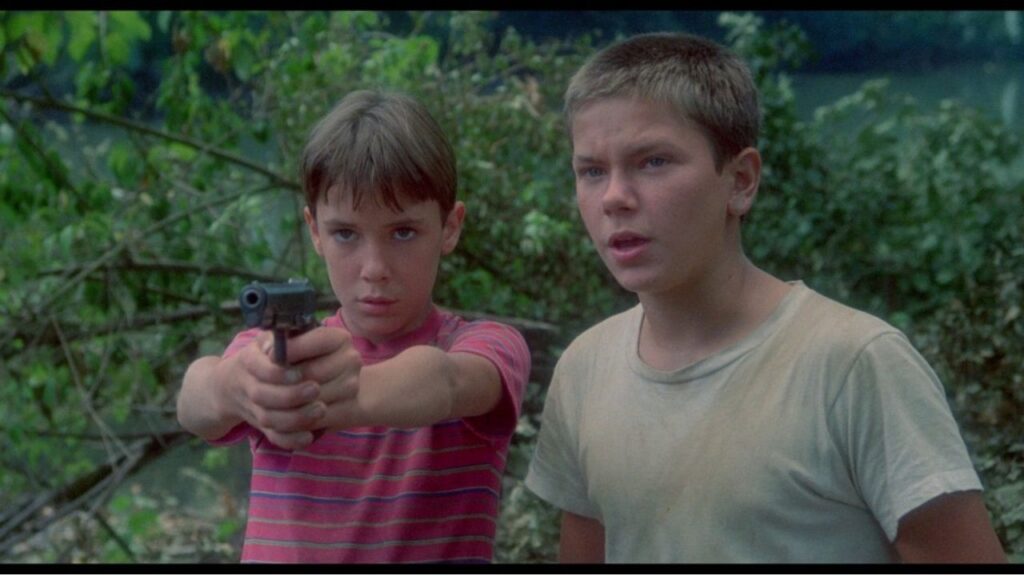
When Reiner brought “The Body” to the screen as “Stand By Me,” he elected to alter several key details. However, one last-minute alteration proved to be the most impactful. Instead of Chris being the one to brandish the weapon, it is Gordie who picks up the gun.
During the film’s 30th anniversary celebrations, Reiner reflected on this pivotal change. He explained that the decision to have Gordie take the lead in the confrontation stuck because, ultimately, the story was about Gordie’s journey. Upon witnessing the completed film, Stephen King reportedly expressed his admiration, saying, “When you had Gordie pick up that gun, I thought, why didn’t I have that?”
The Impact of Cinematic Reinvention
While “The Body” and “Stand By Me” essentially tell the same core story, the way they frame Gordie’s memories creates vastly different emotional landscapes. King’s novella functions as a deeply personal elegy. The reader is kept in suspense regarding the boys’ ultimate fates until the story’s conclusion, prompting a re-evaluation of the entire adventure in light of the tragic outcomes.
Rob Reiner’s film adopts a markedly different approach. “Stand By Me” opens with the devastating news of Chris’s death. This immediate revelation fundamentally shifts the audience’s perception of the ensuing narrative. Knowing Chris’s fate colours every moment of the boys’ adventure with a profound sense of melancholy and anticipation.
Furthermore, the alteration regarding the gun becomes exceptionally powerful within this new framework. By positioning Gordie as the one to confront Ace and his gang directly, the climax transforms into the definitive moment of Gordie’s personal growth. As he reflects on this formative experience, there’s an palpable sense of his ongoing search for closure. His poignant observation, “I never had any friends later on like the ones I had when I was twelve. Jesus, does anyone?” resonates deeply, amplified by the knowledge of the losses he has endured.
Rob Reiner’s adaptation of “Stand By Me” stands as a rare and exceptional instance where cinematic changes elevate the source material to such a degree that the film’s power is undeniable. It’s a testament to the art of adaptation when the original author himself wishes he had conceived of the impactful alteration first.