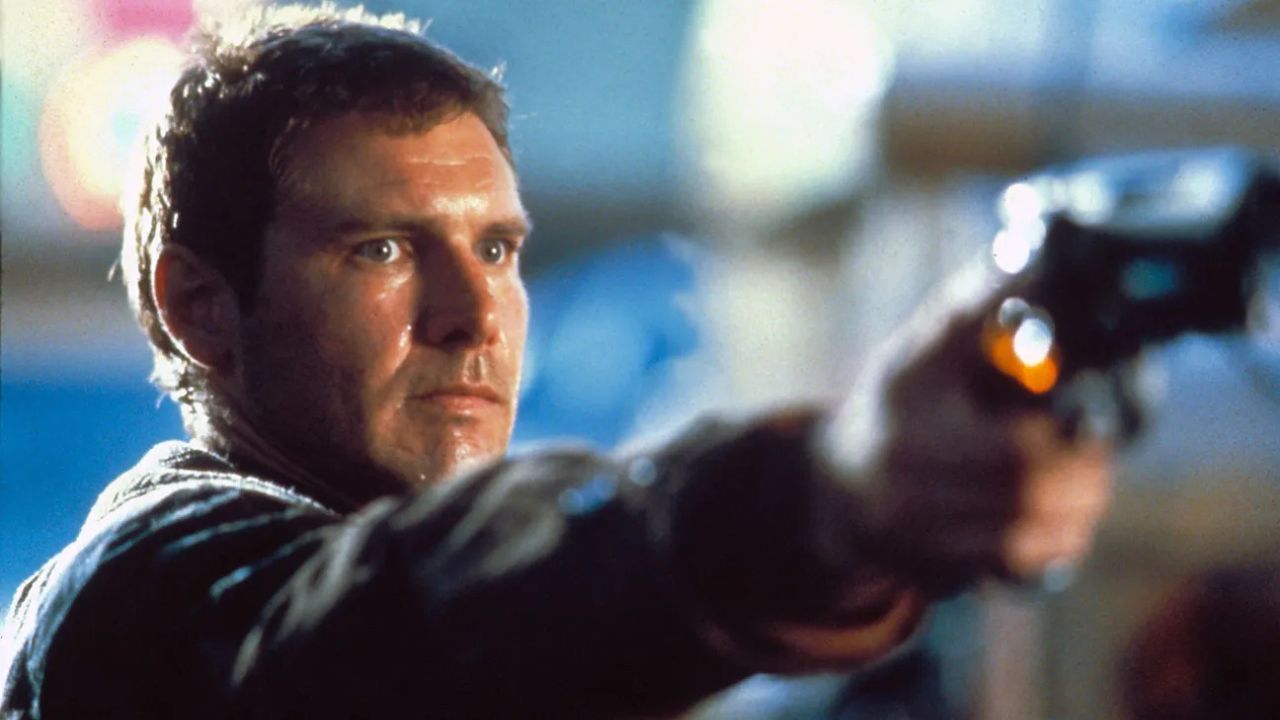
Harrison Ford’s Public Critique of ‘Blade Runner’: A Hollywood Star’s Grievances
Hollywood is no stranger to behind-the-scenes drama, but when a beloved actor openly criticises a film he starred in, it often raises eyebrows. Back in 1982, the lead actor in the now-iconic science fiction flick, ‘Blade Runner’, found himself embroiled in what was reportedly a torturous production process. Grappling with a director he struggled to connect with and forced to make creative decisions he vehemently disagreed with, Harrison Ford’s frustration simmered.
Years later, Ford seized a prominent Hollywood stage – the 2021 Academy Awards – to deliver a masterclass in sarcastic, deadpan humour. He masterfully dissected the film, not with his own criticisms, but by weaponising the brutal, panicked notes penned by the film’s own executive producers. This public takedown highlighted frantic studio complaints about the film’s tempo, music, and editing, culminating in a savage rhetorical question that laid bare the chaotic battle behind one of sci-fi’s most celebrated masterpieces.
Why Did Harrison Ford Have Such a Rough Time on ‘Blade Runner’?
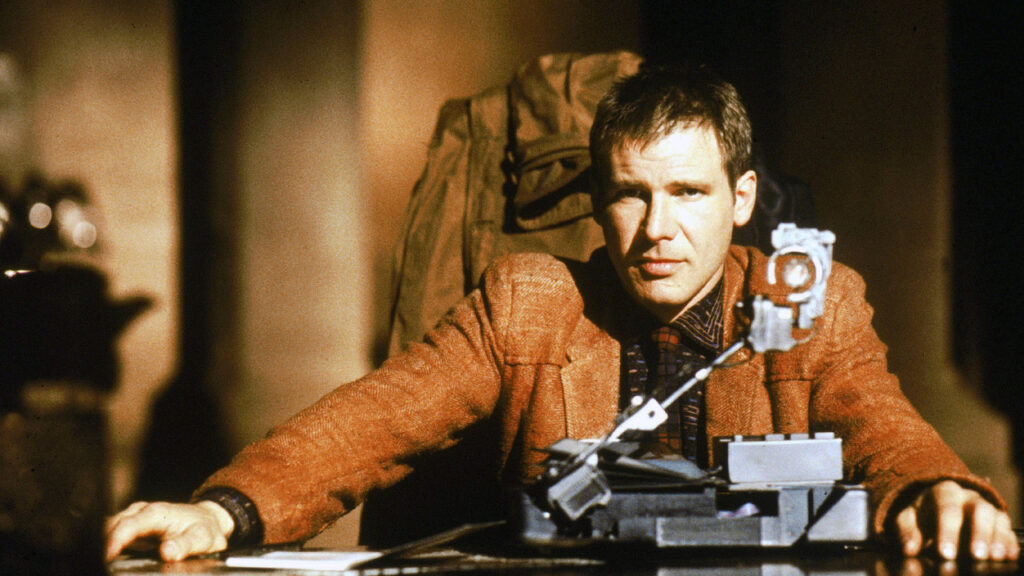
Despite ‘Blade Runner’ being widely regarded as one of the greatest sci-fi movies of all time, the experience of making it was anything but smooth sailing for Harrison Ford. From the outset, the production was plagued by significant challenges. A primary point of contention was the fundamental difference in interpretation of specific scenes between Ford and director Ridley Scott.
This divergence in artistic vision led to considerable creative disagreements, transforming filming into a demanding ordeal. It often felt as though Ford and Scott were locked in a battle of wills, each determined to prove their perspective was the correct one. Beyond the directorial clashes, Ford also took issue with another significant addition to the film: the voiceover narration that was controversially appended after initial test screenings.
When these early screenings revealed that the film’s complex narrative might be difficult for audiences to follow, the studio intervened, mandating the inclusion of narration. The studio’s desire for a more accessible film also extended to the ending. They opted for a more optimistic conclusion, a decision Ford believed ultimately diluted the story’s profound impact and thematic weight.
In a moment of wry amusement, Ford recounted these harsh studio notes, originally drafted by ‘Blade Runner’ executive producers Jerry Perenchio and Bud Yorkin, during the 2021 Academy Awards ceremony, specifically during the segment celebrating Best Film Editing.
“Why is this voiceover track so terrible? He sounds drugged. Were they all on drugs? Deckard at the piano is interminable,” Ford quipped, his delivery perfectly capturing the absurdity of the situation. He used the unfiltered comments from a January 1982 screening as a hilariously relatable example of the often-convoluted nature of the film editing process.
Ford Revisited a Brutal Set of Notes About ‘Blade Runner’

The executive producers’ notes were nothing short of scathing, targeting almost every facet of the film. They dissected the narrative, pacing, editing, and even individual scenes with brutal honesty. The critique reached its zenith with the blunt and damning observation: “This movie gets worse every screening.”
While Ford himself did not author these critical remarks, his signature deadpan delivery served to introduce them to a fresh audience and, in doing so, reignited widespread discussion about the film’s notoriously troubled production history.
“The flashback dialogue is confusing. Is he listening to a tape? Why do we need the third cut to the eggs? The synagogue music is awful on the street. We’ve got to use Vangelis. Up to Zora’s death, the movie is deadly dull,” he continued, reading verbatim from the notes, much to the audience’s delight.
Ironically, despite the harsh assessment contained within these studio notes, ‘Blade Runner’ would go on to achieve monumental success, becoming one of the most critically acclaimed and influential science-fiction films ever created. Even Ford’s well-documented frustrations with the production process couldn’t prevent the movie from solidifying its status as a timeless classic in the decades that followed its release. The film’s enduring legacy stands as a testament to how artistic vision, even amidst significant challenges, can ultimately triumph.