Hollywood Heavyweights Clash: Art Directors Guild Slams Scorsese’s AI Endorsement
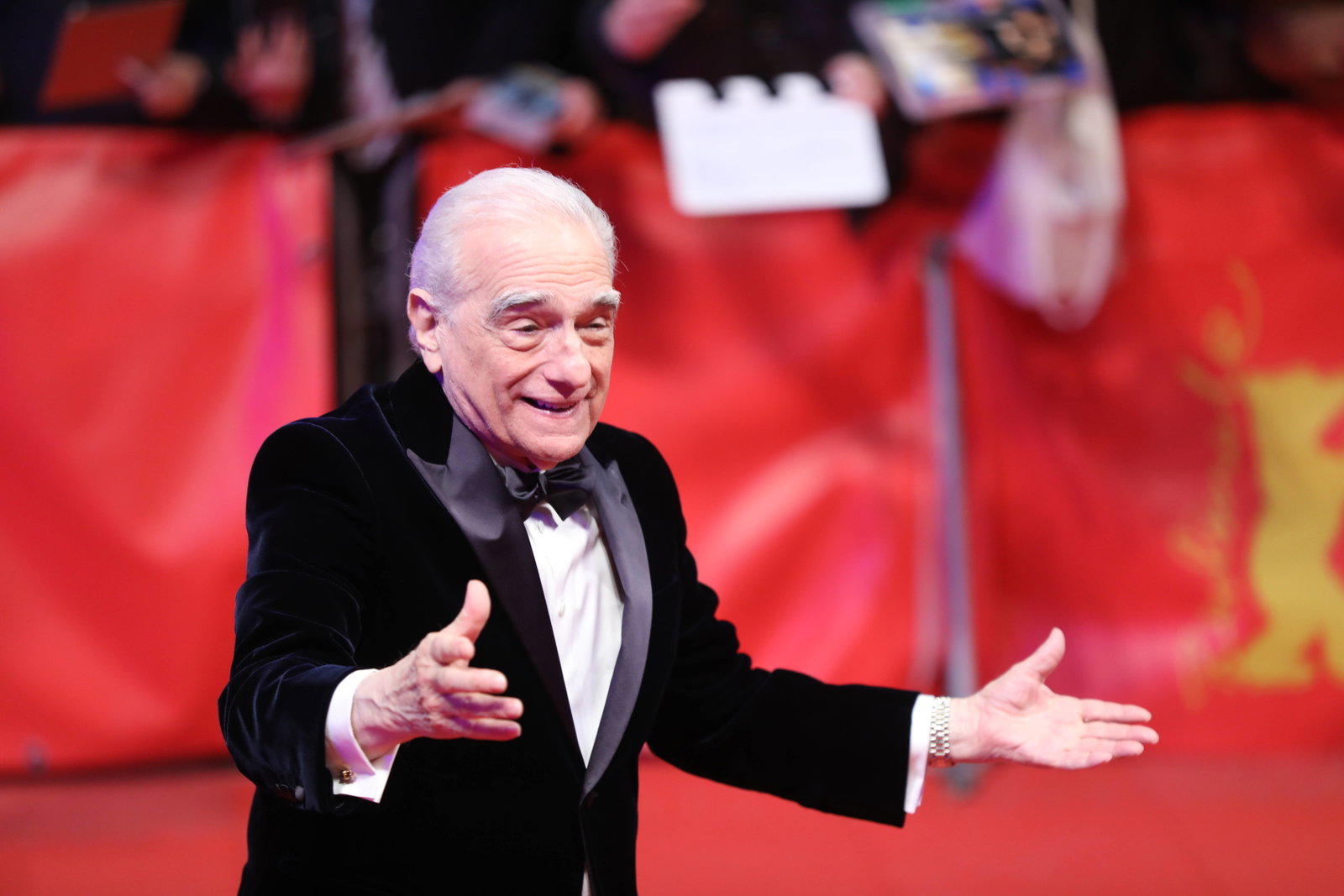
The revered Art Directors Guild (ADG), representing thousands of skilled professionals in the Australian film and television industry, has issued a stern rebuke to legendary director Martin Scorsese. The guild has publicly condemned his endorsement of Black Forest Labs’ generative AI model, FLUX, labelling the move a profound betrayal of cinema’s deeply collaborative ethos. For decades, the ADG has been a staunch guardian of the creative roles essential to bringing a director’s vision to life on screen. Now, one of Hollywood’s most celebrated figures has provided them with a significant impetus to voice their concerns.
While the guild’s immediate target is Scorsese himself, the underlying accusation that generative AI profits from the uncredited and uncompensated labour of artists is the most potent and far-reaching charge.
Scorsese’s AI Endorsement Sparks Outrage: A Betrayal of Cinematic Craftsmanship
The Art Directors Guild, officially IATSE Local 800, has formally denounced Martin Scorsese’s promotion of Black Forest Labs’ FLUX model. They view this as a direct assault on the livelihoods of their members. The guild encompasses a diverse array of talent, including art directors, production designers, illustrators, scenic artists, set designers, and graphic artists – the very professionals who have been instrumental in shaping Scorsese’s iconic films throughout his illustrious career.
“The exceptional skills of Art Directors Guild Local 800 artists and designers contribute an immeasurable value to every film and television production,” the guild stated emphatically.
They went on to articulate their core grievance: “The use of AI that is built upon work likely pilfered from them and countless other artists globally represents a fundamental betrayal of the collaborative spirit that defines cinema.”
The statement also underscored a critical point: generative AI models often ingest copyrighted material scraped from the internet without explicit consent, proper attribution, or fair compensation. This makes Scorsese’s public backing of such technology all the more galling for the guild.
The ADG’s frustration extends beyond a single director’s perceived shortcut in the pre-production phase. FLUX, a product of Black Forest Labs, is designed to generate visual storyboards using a text-to-image generative model. This process can achieve in mere seconds what a human illustrator or production designer would dedicate days to meticulously craft. The ADG contends that this crucial work falls squarely within their professional domain. By publicly championing FLUX as a solution for visualising creative concepts, Scorsese, in their view, is effectively sidelining the very collaborators whose artistry has been foundational to the enduring impact of his films.
The Scorsese-Black Forest Labs Partnership: A Glimpse into the Future of Filmmaking?
The details surrounding Martin Scorsese’s involvement with Black Forest Labs paint a compelling picture of his engagement with this evolving technology.
Scorsese joined Black Forest Labs as an advisor roughly a year before the partnership was publicly announced in June 2026. His talent manager, Rick Yorn, who also holds an investment in the company through BroadLight Capital, is reportedly credited with facilitating this connection. In a promotional video filmed at his New York City office, Scorsese demonstrated FLUX by using it to storyboard a medieval street scene. He drew a parallel to his earlier explorations of technological advancements in filmmaking, citing his use of 3D in Hugo and de-aging technology in The Irishman. He articulated a belief that cinema, a relatively young art form at approximately 125 years old, “must remain open to evolution.”
It’s plausible that this AI technology has already subtly influenced his forthcoming project, What Happens at Night, starring Leonardo DiCaprio and Jennifer Lawrence, which recently concluded its production. The AI-generated storyboard imagery, depicting a snow-laden, historical Eastern European setting, bears a striking resemblance to the initial visuals released by Apple in March. From Scorsese’s perspective, FLUX serves as a valuable pre-production tool, accelerating visual communication without supplanting the final artistic craft. However, for the ADG, his endorsement of a product potentially built on the appropriation of creative work crosses an unacceptable ethical boundary.
The Debate Over AI in Creative Industries
The ADG’s stance highlights a burgeoning debate within the creative sectors worldwide. The rapid advancement of generative AI tools offers tantalizing possibilities for efficiency and innovation. However, these advancements are increasingly raising profound questions about:
- Copyright and Intellectual Property: The core of the ADG’s argument rests on the notion that AI models are trained on vast datasets that often include copyrighted material without the creators’ permission. This raises serious legal and ethical concerns about intellectual property rights.
- The Value of Human Artistry: The guild champions the unique skills, experience, and creative intuition that human artists bring to their work. They fear that an overreliance on AI could devalue these essential human contributions.
- Economic Impact on Creative Professionals: The ADG is deeply concerned about the potential for AI to displace human workers in creative roles, impacting their livelihoods and the broader creative economy.
- The Definition of Collaboration: Cinema has historically been a deeply collaborative art form. The ADG questions whether AI-generated content can truly be considered a collaborative output in the same vein as human teamwork.
As the industry grapples with these complex issues, the Art Directors Guild’s vocal opposition to Scorsese’s AI endorsement serves as a critical reminder of the need for thoughtful consideration and ethical frameworks to guide the integration of artificial intelligence into the world of filmmaking and beyond. The conversation is far from over, and the implications for the future of creative work are immense.