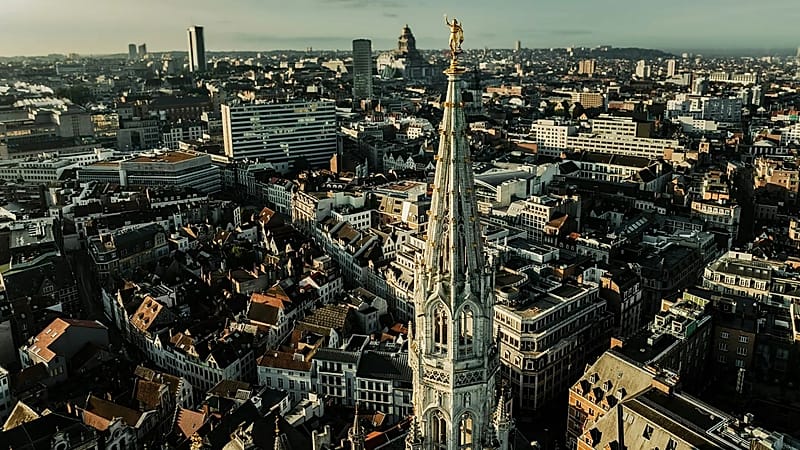
Is Brussels Europe’s Best Kept Secret? Locals Say it’s Underrated
The Belgian capital, Brussels, is buzzing with a quiet confidence, as a significant majority of its residents believe their city is an “underrated” tourist destination. Recent research, conducted by iVOX for Ovide-Airbnb, surveyed 1,000 Brussels residents across 19 municipalities, revealing that a substantial 74.6% feel their city isn’t getting the international recognition it deserves.
While Europe’s major tourist hubs brace for the summer rush, Brussels’ own citizens are championing their city, highlighting its economic importance. In 2025, Brussels welcomed 3.7 million visitors, a slight dip from 3.71 million in 2024. Crucially, 79% of residents surveyed underscored the “essential” role of tourism in supporting local businesses and the broader economy.
Angela Dansby, author of “Best of Belgium: The Complete Travel Guide Through Expat Eyes,” shares this sentiment. “Not enough people know that Brussels, and Belgium as a whole, are great for tourism,” she told Euronews Travel. “While I don’t think that Brussels lacks tourists, I do feel that it’s underrated as a destination. My own visitors, and I’ve had plenty, are always very pleasantly surprised by the city and echo my sentiment.”
Dansby, a lifestyle journalist who has called Belgium home since 2015, penned her comprehensive guide after extensive exploration. Her book, published in April 2026, details 32 cities across Belgium, offering a deep dive into why this multilingual nation warrants a prominent spot on any European travel itinerary. What began as a temporary “one-year experiment” 15 years ago, stemming from a job offer in Brussels, has blossomed into a lasting residency, fuelled by a dual citizenship, a love for Belgium, and a Belgian partner.
Euronews Travel sat down with Dansby to glean her insider insights into Belgium’s hidden gems, culinary delights, and cultural hotspots, including those often missed by the average traveller.
A Global Melting Pot: Connecting with the World
Belgium, often considered the de-facto heart of Europe, is a nation of approximately 11.9 million people, representing an impressive 180 different nationalities. For Dansby, a key highlight of visiting Belgium, particularly Brussels, is the opportunity to “meet people from around the world.”
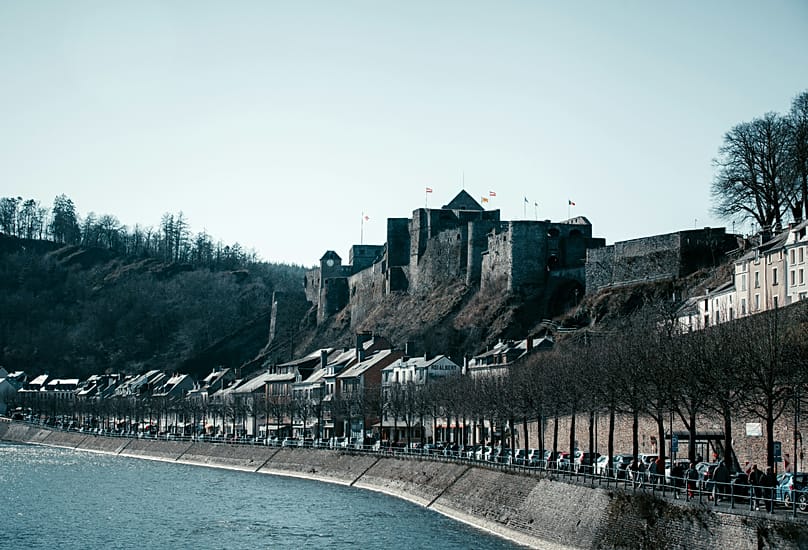
Beyond the urban centres, Dansby suggests a unique pursuit: castle hunting. With Belgium boasting the most castles per square kilometre globally, an estimated 3,000 in total, these fairy-tale structures offer a glimpse into the country’s rich history. Dansby’s personal favourites include the castles of Bouillon, Beloeil, and Vêves, all located in the French-speaking Wallonia region. Bouillon Castle, a major draw attracting 135,000 visitors annually, provides breathtaking 360-degree panoramic views of the surrounding medieval town.
For those seeking artistic and cultural immersion, Belgium offers diverse experiences. A truly unique spectacle, according to Dansby, can be found in Oostduinkerke, where fishermen still ply their trade on horseback. This UNESCO Intangible Cultural Heritage tradition sees horsemen head to sea around 40 times a year, preserving a practice that has endured for 500 years.
Belgium’s Culinary Canvas: A Feast for the Senses
For Dansby, Belgium is a paradise for food lovers. The nation’s gastronomic landscape is renowned, featuring hundreds of restaurants in the Michelin Guide, including over 100 starred establishments – placing Belgium third globally in terms of Michelin-starred restaurant density.
For those looking to indulge in fine dining, Dansby recommends the culinary scenes in Brussels, Antwerp, Bruges, and Knokke-Heist. For a taste of German classics, Eupen is the place to be, with dishes like sauerbraten (marinated pot roast) and Eupener Platz (a sweet brioche) being local specialties.
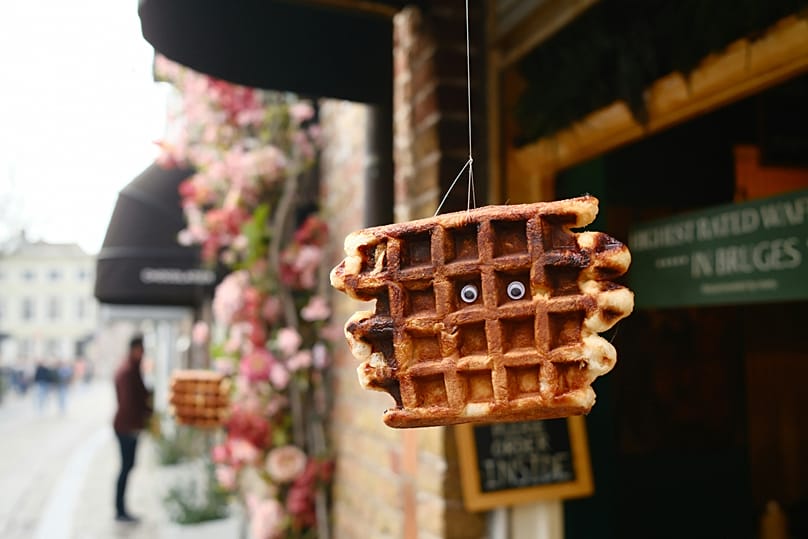
Liège is hailed as the go-to destination for excellent coffee, meatballs, and, of course, waffles. Ghent shines with its signature dish, waterzooi, a creamy chicken and vegetable soup, while Ostend is the prime spot for fresh seafood. Even snails, often associated with French cuisine, have a Belgian twist: Petit-Gris de Namur from the Namur province are a unique delicacy, typically served with garlic butter, herbs, and mushrooms.
Exploring Beyond Brussels: Uncovering Hidden Treasures
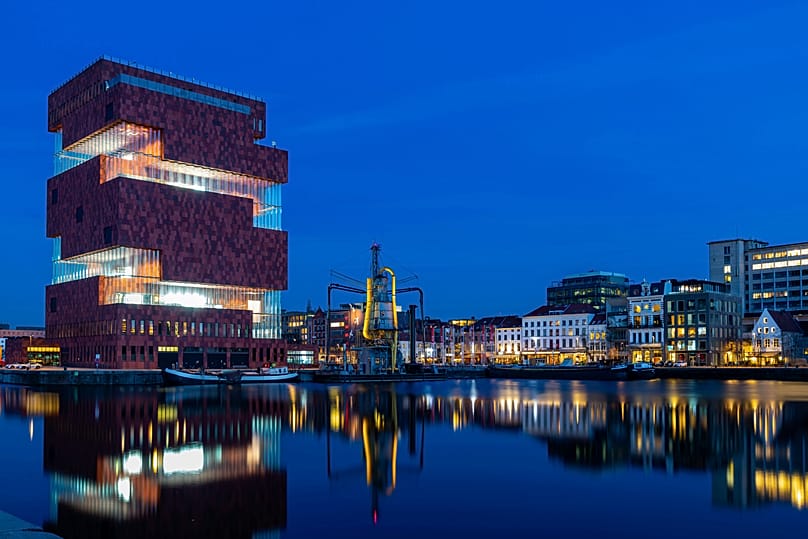
Dansby insists that some of Belgium’s most rewarding experiences lie off the beaten path. While Brussels is celebrated for its gastronomy, Hasselt, located in the Flemish region, also boasts a vibrant food scene. Tripadvisor highlights include Michelin-listed restaurants like Ross, serving Belgian and Dutch cuisine, and La Fontella, known for its Italian and French dishes.
The charming coastal town of De Haan offers a unique historical connection, with villas named after Albert Einstein, who spent several months there. For a poignant historical encounter, the village of Ploegsteert in Wallonia is the site of the historic 1914 Christmas truce, where opposing soldiers laid down their arms to play a football match during World War I.
Essential Belgian Travel Tips: Dos and Don’ts
When it comes to the nation’s beloved fried potato snack, Dansby has a crucial piece of advice: ditch the term “French fries.” “Instead, just call them frîtes!” she exclaims. And for the authentic Belgian experience, pair them with mayonnaise, not ketchup.
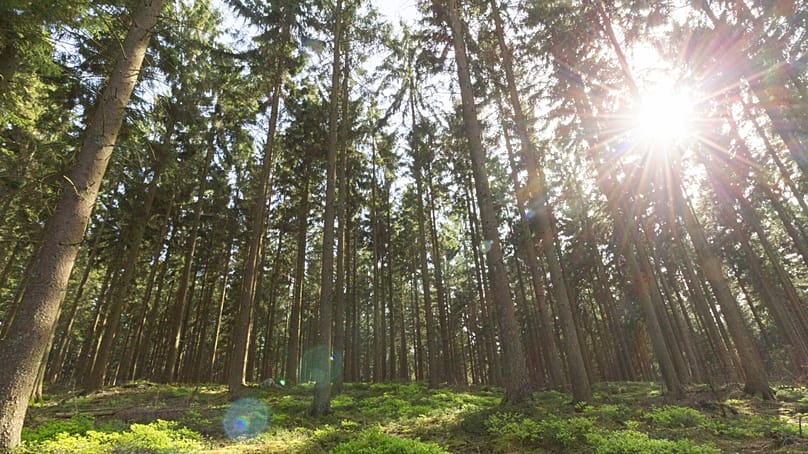
Dansby strongly advocates for utilising Belgium’s excellent public transport system. Trains are ideal for inter-city travel, and for exploring local attractions, opting for a bicycle is a fantastic and eco-friendly choice. The country’s diverse landscapes also make it perfect for walking and hiking. Dansby’s favourite hiking spots include the Ardennes Forest, the German-speaking Ostbelgien region, and the ethereal Hallebos forest, famous for its “purple carpets” of bluebells in spring.
To truly immerse yourself in Belgian culture, Dansby advises travellers to seek out weekly outdoor markets and local festivals. These events offer invaluable insights into Belgium’s past and present. Her final, and perhaps most important, tip? “Don’t hesitate to ask locals about anything,” she concludes.