The Growing Ebola Crisis in the Democratic Republic of Congo
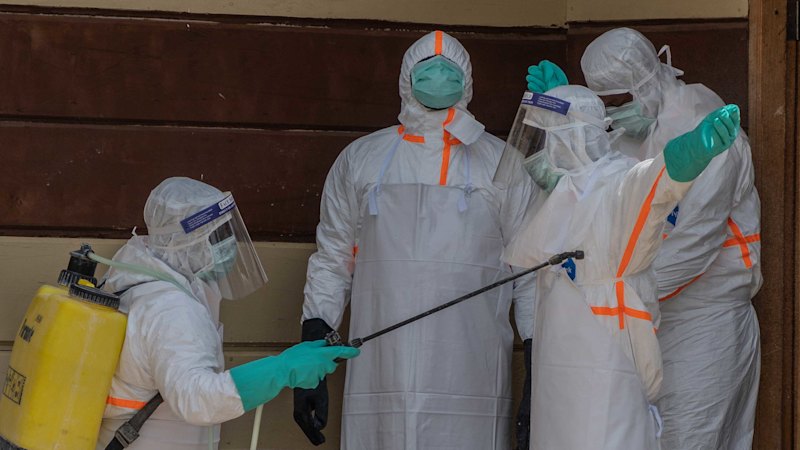
An ongoing Ebola outbreak in the Democratic Republic of Congo (DRC) is raising serious concerns among international health authorities. The situation is being described as potentially more severe than the worst outbreak on record, which devastated West Africa between 2014 and 2016.
At a virtual summit of African leaders and international donors in Burundi, Africa CDC Director-General Jean Kaseya warned that if the outbreak is not contained quickly, it could surpass the previous crisis. “If we don’t stop the outbreak very soon, it will be worse than what we had in West Africa and eastern DRC,” he stated.
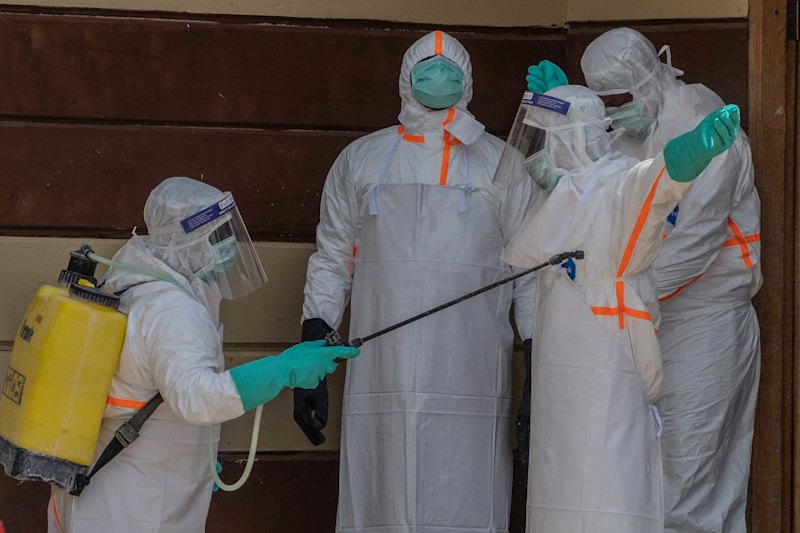
The 2014–2016 West Africa outbreak resulted in over 11,000 deaths. In the DRC, confirmed cases have already reached 837, with 196 deaths reported. However, health agencies believe the actual number of infections is much higher due to underreporting and limited access to affected areas.
Challenges in Containing the Outbreak
One of the biggest obstacles in combating the outbreak is contact tracing. Dr Kaseya highlighted that health workers have lost track of tens of thousands of individuals who may have been exposed to the virus. “We are missing more than 26,000 people, and we don’t know where they are, and we don’t know if they are contaminating other people,” he explained.
Aid agencies have also noted that traditional burial practices, which involve family members handling infectious bodies without protective gear, continue to contribute to the spread of the virus.
Unlike other common Ebola strains, the Bundibugyo strain currently has no approved vaccine or antiviral treatment. The World Health Organization (WHO) estimates that it could take up to nine months before a viable vaccine becomes available.
Cross-Border Spread and International Response
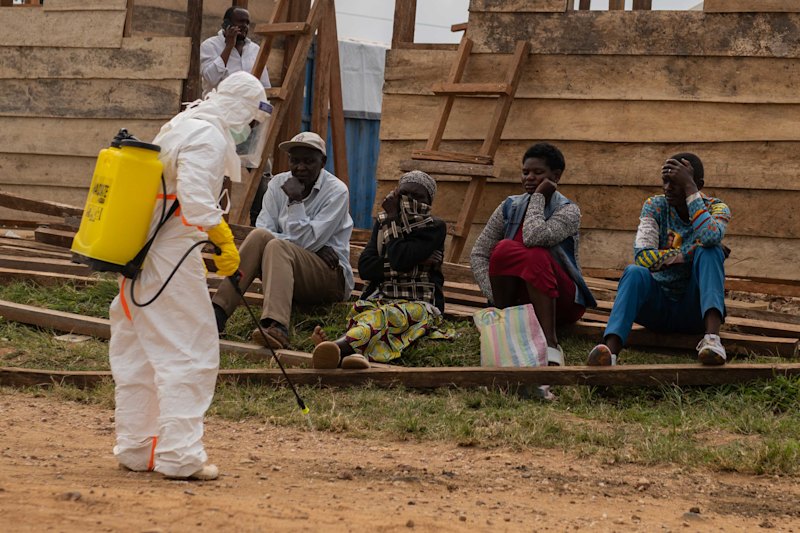
The virus has already begun spreading across borders, with Uganda reporting 19 cases—14 of which were imported from the DRC. Two deaths have been recorded in Uganda as a result of the outbreak.
In response, Australian health authorities are closely monitoring the situation. The Australian Centre for Disease Control (CDC) stated that the overall risk to Australia remains very low. Ebola does not spread easily through casual contact or airborne particles; it requires direct contact with the bodily fluids of an infected person.
The CDC also pointed out that travelers returning to Australia with sudden fevers are more likely to have contracted other regional diseases, such as malaria.
Travel Advisories and Health Precautions
The Australian Government’s Smartraveller has advised Australians to reconsider travel to Uganda and to avoid the DRC entirely. Because the Bundibugyo strain lacks an approved vaccine, health authorities warn that anyone returning from these regions could face health screenings, transit disruptions, or strict entry requirements if they show signs of illness.
If you have traveled to the DRC, Uganda, or surrounding border areas and develop symptoms such as a sudden fever, severe muscle pain, fatigue, vomiting, or diarrhea within 21 days of returning to Australia, the Australian CDC recommends calling ahead to a GP or emergency department immediately and isolating from others. This step is crucial to prevent further spread and ensure timely medical care.