The Rise of the ‘Millennial Grey’ Aesthetic
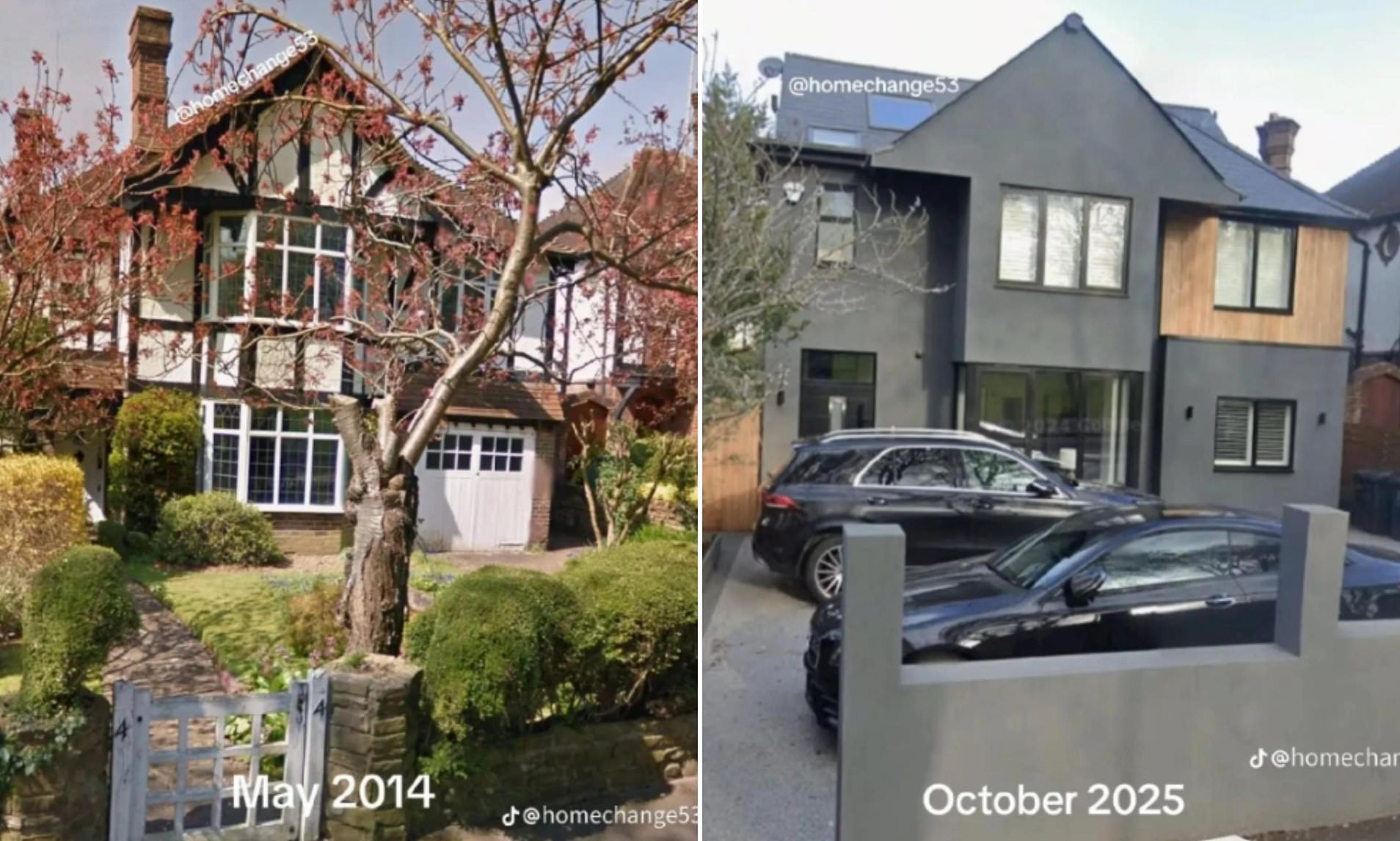
In recent years, a growing trend in the UK has sparked widespread debate among homeowners and design enthusiasts alike. The phenomenon, often referred to as the “millennial grey” or “grey plague,” involves the transformation of historic properties—particularly Edwardian and Victorian redbrick homes—into stark, monotonous structures painted in shades of grey. These before-and-after images are now being shared online, with many users expressing frustration over what they see as the loss of character and charm.
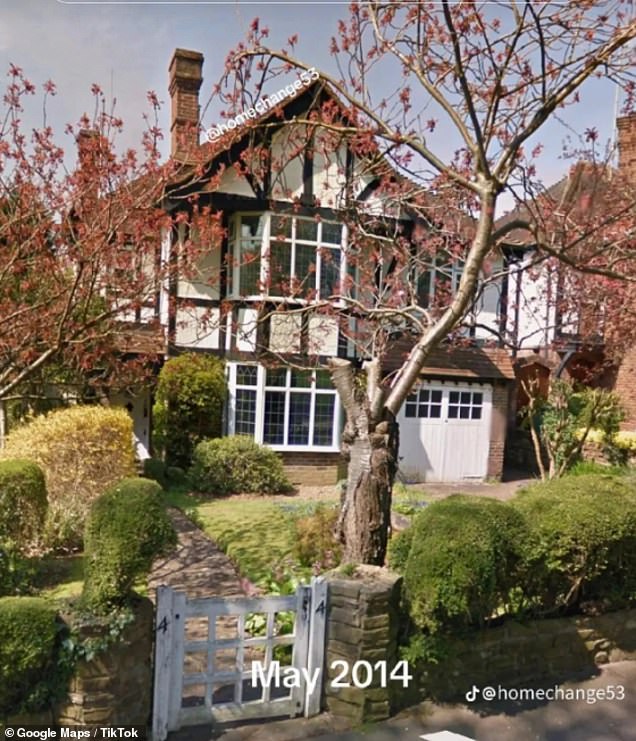
The backlash against this aesthetic is particularly strong when it comes to period properties that have been stripped of their original features. One TikTok user shared a comparison of a home from 2014 to one in October 2025, describing the latter as “one of the worst home renovations I have ever seen.” The user lamented how the once-tasteful property had been transformed into something “ultra clean” but ultimately “horrific.”
Criticism of the Modern Grey Homes
Many social media users argue that the shift towards grey exteriors is not just unattractive, but also a complete departure from the personality that once defined these homes. One commenter wrote, “It’s all wrong! Where’s the life gone?” while another added, “The destruction of the front garden has to be the saddest thing ever.”
This sentiment is echoed in other instances where historic homes have been demolished or replaced by modern constructions. In one TikTok video, a user showcased three houses that had undergone significant changes between 2009 and 2024. The homes, once traditional red brick structures, were now large white modern homes featuring block-like designs and new gates. Comments on the video included questions like, “How is this even legal!” and “I think the old houses look better.”
The Impact on Character and Identity
The transformation of a Victorian home in Woodford Green, Essex, into a grey structure also drew sharp criticism. The house, which once featured a charming turret, was now rendered in dark grey with plastic windows. An X user described the change as “one of my favourite examples of grey plague,” while another joked about imagining the new back garden: “A square of AstroTurf framed in black planters with a large plastic dining table.”
Another example involved a 1970s bungalow that had been converted into a dull light grey building. One user commented, “On its own, I’ve seen a lot worse – it’s the complete desolation of the garden that really kills it.” Others questioned why so much greenery had been removed, with one asking, “Why live in a charming 1930s gingerbread house draped in mature greenery when you can live in your weird interpretation of a Barrett house?”
Expert Opinions on the Trend
Interior designer Jordana Ashkenazi has weighed in on the issue, noting that while some renovations can genuinely improve a home, others leave people questioning the decisions made. She told The Daily Mail, “Just because something is newer doesn’t automatically make it better, and just because something is modern doesn’t automatically make it stylish.”
Ashkenazi pointed out that the overuse of grey in both interior and exterior design has led to a “drab, cold and lacking in personality” aesthetic. She also highlighted the importance of preserving original details in period properties, stating that once those features are removed, they are “gone forever.”
The Role of Millennials and Design Trends
Millennials have often cited the “grey plague” as a reaction to the more colorful and bold decorating choices of previous generations. The trend of “drenching”—covering a room in a single color, pattern, or texture—has gained popularity, with celebrities like Molly Mae embracing the monochrome look.
However, some experts believe that this approach may not always be effective. Interior stylist Sam Grigg previously told The Daily Mail that “colour-drenching works best as a backdrop, not the whole story.” She emphasized the need for contrast and texture in neutral spaces to create a sense of warmth and liveliness.
Conclusion
As the debate over the “millennial grey” continues, it’s clear that many feel the trend has come at the expense of character and individuality. While some may appreciate the minimalist aesthetic, others argue that it has resulted in a loss of identity for many historic properties. As the discussion unfolds, it remains to be seen whether this trend will continue to dominate the design landscape or if a return to more vibrant and textured aesthetics will gain momentum.