Rising Inflation Concerns in Australia
Australia’s major banks are warning that inflation could surpass their current forecasts, driven by rising costs of essential goods and services. A fuel supply chain expert has highlighted the potential for further increases, citing damage to oil and gas infrastructure in the Middle East.
Commonwealth Bank (CBA) predicts that inflation will peak at 5.4 per cent in the middle of the year, which is higher than the current 3.7 per cent. However, Lurion De Mello, an energy market expert from Macquarie University, believes there are additional factors both domestically and internationally that could push inflation even higher.
“Headline inflation is heading upwards. I know CBA is saying 5.4 per cent, but don’t be surprised if it goes even higher,” Dr De Mello said. “Even though the Strait of Hormuz is technically open, with the time for the fuel to get to refineries, we’re still going to be paying, particularly for diesel, six months to 12 months down the track, diesel could still be very, very expensive.”
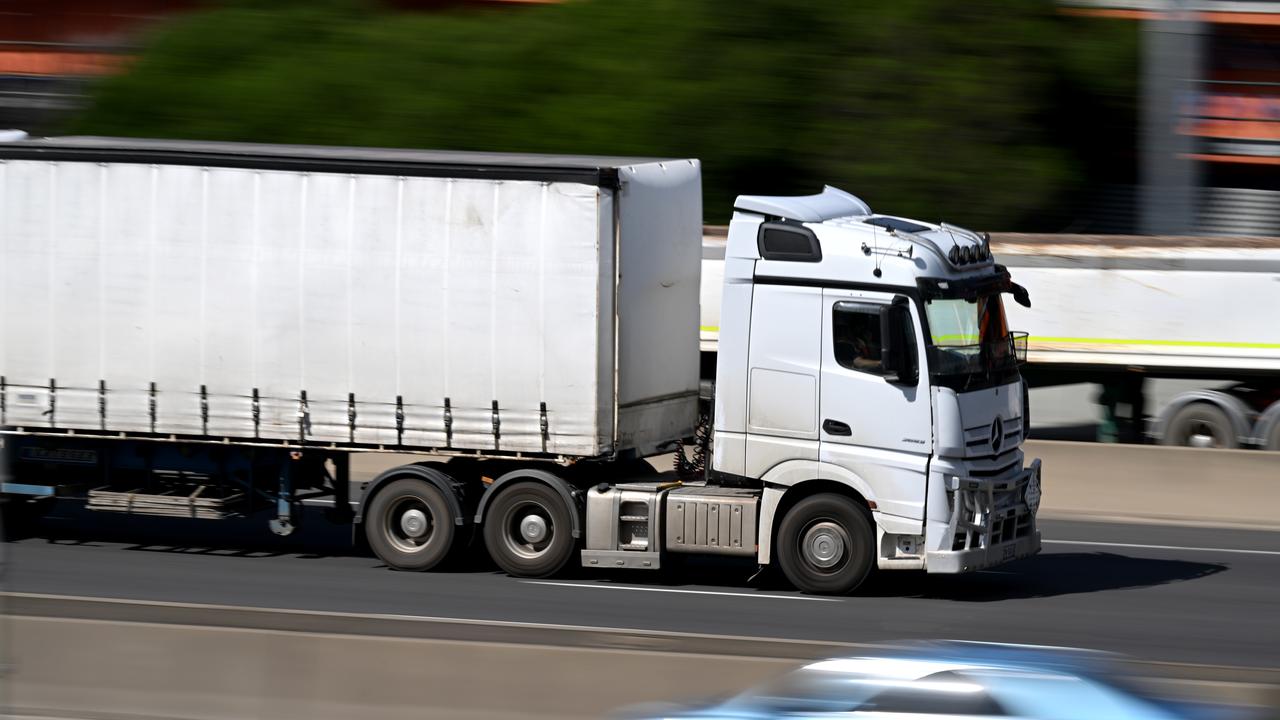
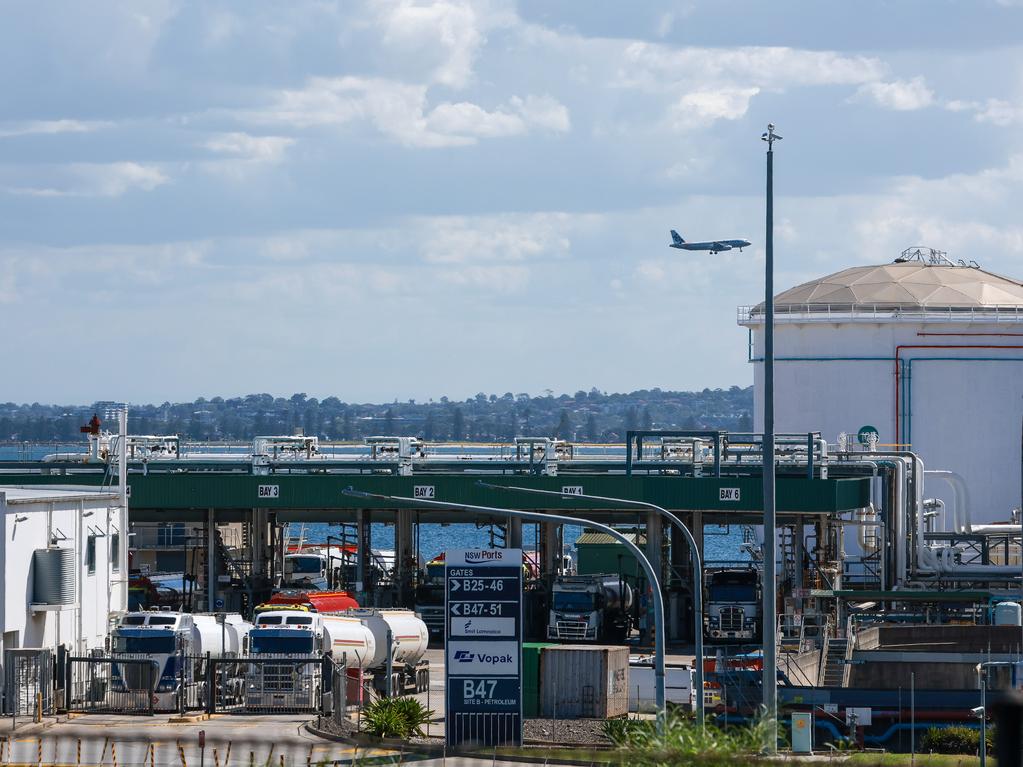
Despite recent fuel excise cuts, the rising cost of fuel is expected to have a significant impact on the economy. “Transportation, agriculture, everything is going to cost a lot more and this is going to be passed on to consumers for sure,” he added.
Dr De Mello also suggested that another three interest rate hikes this year would not be surprising. “It’s not that it’s going to take a huge increase in interest rates to actually impact demand, because people are demanding for basic necessities, right, like food. People haven’t gone crazy because there’s been wage inflation – wages have not gone up. So it’s not that demand is going to drop suddenly because of these interest rate increases, but the RBA has the option to keep increasing interest rates I guess.”
Global Impacts and Economic Uncertainty
Qatar is signaling that it could rebuild its bombarded LNG facilities in five years, which Dr De Mello says is optimistic. “LNG is such a crucial fuel because Japan uses it for electricity. Singapore uses it for electricity so if the cost of electricity is going to go up in those countries, it’s just going to have a flow-on effect.”
The flow-on effect means that refined oil Australia imports from Singapore and Japan will become more expensive. Dr De Mello noted that supermarket prices have not yet risen in line with the increased costs of fertiliser and diesel, which stock the shelves. “But the impacts are going to be felt towards the end of April, May, because shipping costs have gone up and insurance is through the roof.”
Market Analyst Perspectives
In analysis published on Friday – but prepared before the two-week US-Iran ceasefire – Westpac market economist Justin Smirk said petrol prices should peak at $2.46 a litre in late-May. When the fuel excise cut runs out on June 30, headline inflation will hit 4.2 per cent and then rise to 5.4 per cent in annual terms in August, Mr Smirk forecasts.
Currently, headline inflation is 3.7 per cent. “Firms are passing fuel cost increases to other prices more rapidly than in the past, often via fuel surcharges or direct price hikes, raising concerns for RBA to the magnitude of pass-through to core inflation measures,” he said. “Consequently, core inflation estimates have been raised.”
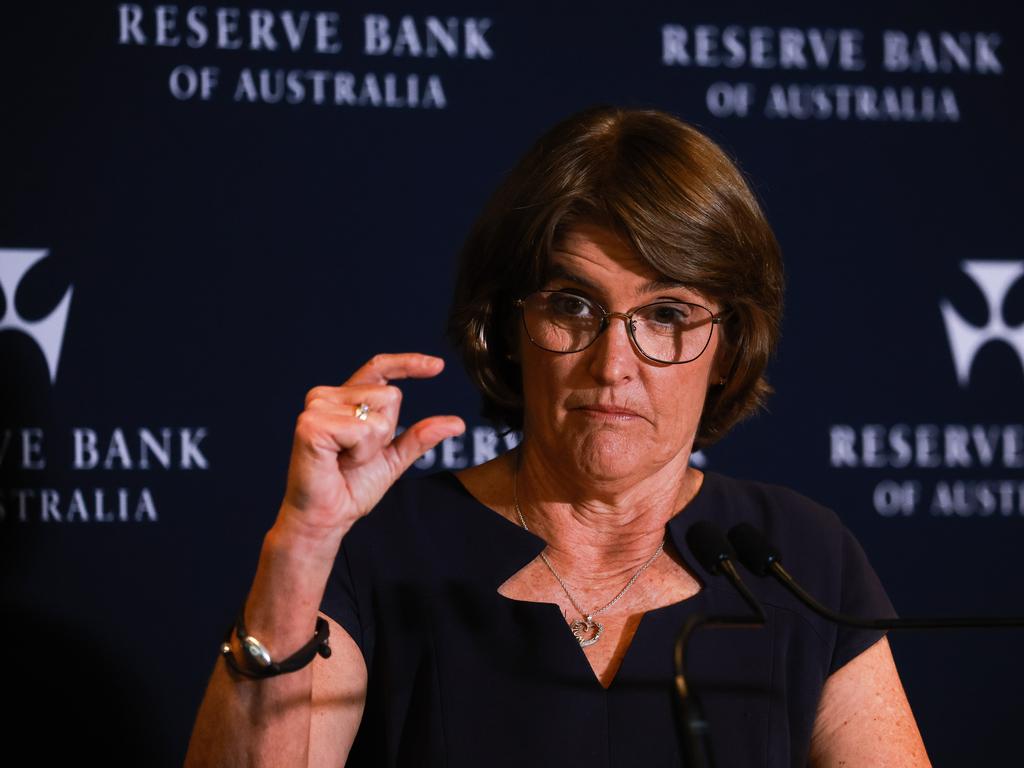
Volatile, monthly headline inflation could hit 6 per cent in May or June because of the 35 per cent surge in fuel prices in March, Mr Smirk said. This would likely lead the Reserve Bank to make 0.25 per cent rate hikes in May, June, and August, following the two hikes already this year.
However, outcomes depend on whether the ceasefire holds, energy prices fall faster, and pass-through is less than expected, or conversely, if conflict reignites, supply disruptions persist, and inflation pressures intensify, the Westpac analyst said.
Last week, Westpac upped its inflation forecasts, adding a third impending rate hike in August to its predictions. Westpac chief economist Luci Ellis said war-related price hikes actually subsiding was the key point for Australian consumers.
“If the ceasefire holds – a big ‘if’ – that is a better outcome than the eight-week closure of the Strait of Hormuz that underlies our current published view, but worse than the four-week closure we used as the baseline last month.”
“Also crucial for Australia is whether any of the war-related hikes in prices of other products unwind.”
Economic Forecasts and Unemployment
Commonwealth Bank directed to analysis published on March 27, which detailed numerous scenarios related to the conflict. CBA head of Australian economics, Belinda Allen, said the conflict was adding to stubborn inflation while weighing on economic growth.
“There is a wide range of possible outcomes from here,” Ms Allen said. “What is clear is that higher energy prices are a headwind for the economy, and both households and policymakers will need to navigate a more challenging environment.”
The bank tips unemployment to reach 4.6 per cent by early 2027 – higher than the 4.3 per cent recorded in February, which represents 659,100 people currently out of work. CBA’s forecast means roughly 46,000 more people out of work.