Understanding the Recycling Process
Recycling is an essential part of reducing waste and conservating resources, but it can be confusing to know exactly what goes where. Many people wonder whether jar lids and bottle caps should be placed in the yellow bin or if certain types of plastic are recyclable. Additionally, the issue of how clean items need to be before being recycled is a common concern.
The answer to these questions largely depends on where you live. Different regions have varying recycling systems and capabilities. The first step in understanding what can be recycled is to check what is accepted in your local yellow-lidded kerbside bin. This information can vary based on the materials that your local material recovery facility can process.
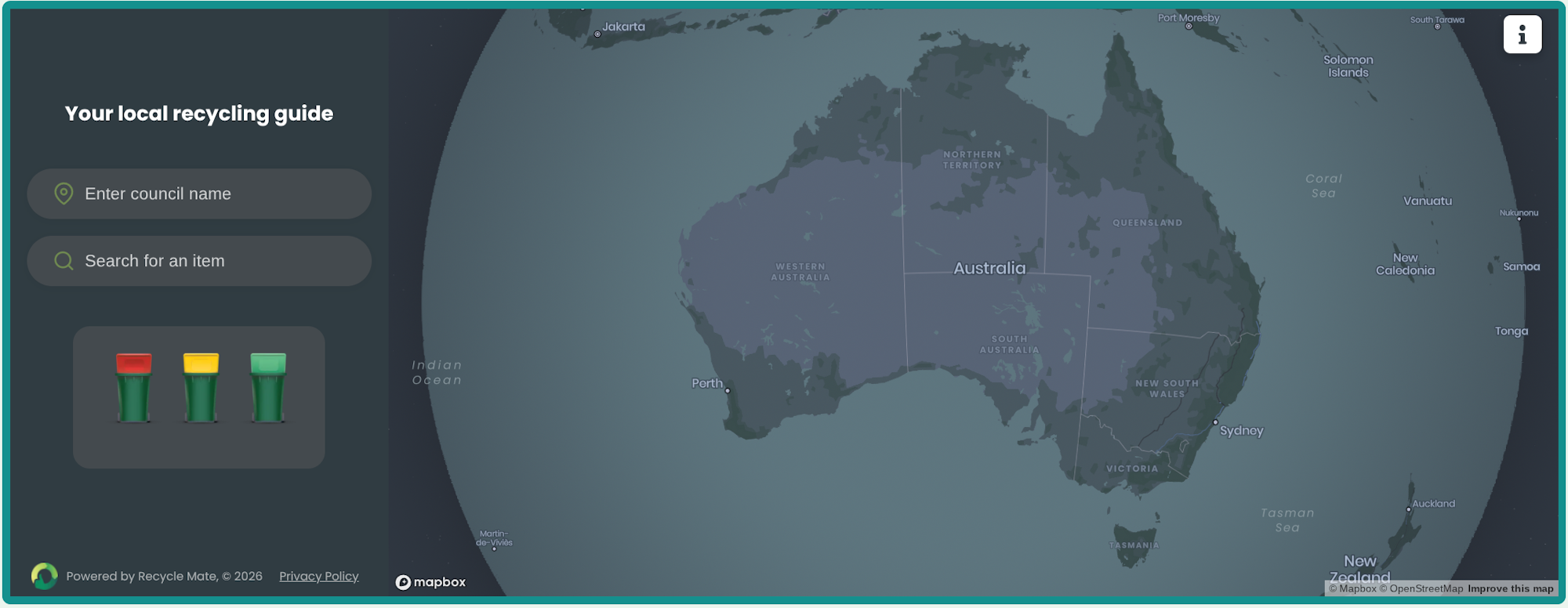
To make this easier, online tools such as Recycling Near You and the Australasian Recycling Label’s “check locally” feature allow you to enter your postcode and look up how to dispose of specific items. These resources are invaluable for ensuring that you’re following the correct recycling guidelines in your area.
When in doubt, always check for Australasian Recycling Labels on packaging. A “chasing arrows” symbol indicates that the item is accepted in more than 80% of kerbside recycling bins. However, not all packaging has these labels, and some may carry multiple labels. It’s important to understand what each label means to avoid contamination.
Recycling Metals: What You Need to Know
Aluminium is a high-value metal commonly found in soft drink cans and foil. It is worth recycling, but size matters. Unlike iron, aluminium is not magnetic, so the magnets used in waste recycling facilities to separate metals from other recyclables won’t pick up aluminium cans or foil.
Instead, aluminium items are sorted using a process known as eddy current separation. As items travel along a conveyor belt at a sorting facility, they move past a fast-spinning magnetic rotor at the end. This rotor creates a repelling force that flicks the aluminium items off the conveyor belt and into collection bins.
However, this force isn’t strong enough to recover small items like jar lids and wine bottle caps. When it comes to recycling metal jar lids and metal or plastic bottle caps, every recycling facility has different rules. Some require the lids to be left on their containers, while others ask for lids larger than 5cm to be removed before placing them in your mixed recycling bin or dropping them off at a collection site.
If you’re unsure about the rules in your area, it’s best to contact your local council or use the tools mentioned earlier to find out the correct disposal method.
Recycling Plastics: Challenges and Opportunities
Recycling plastic is great, but only about 46% of collected plastic is processed domestically, with a significant amount sent overseas for processing. Most plastic still ends up in landfill due to contamination and low recovery rates.
Packaging made from a single type of plastic, such as translucent high-density polyethylene (HDPE) milk bottles, is easiest to recycle into new products. However, only around 40% of these get collected for recycling through kerbside bins and dedicated drop-off locations; the rest don’t get collected at all.
Plastic caps and labels on HDPE bottles are often made from a different type of plastic (polypropylene), so they should be removed before recycling. Rigid plastics, such as drink bottles, are easier to recycle than soft plastics, but their quality degrades with each recycling cycle.
Most single-use soft plastic packaging ends up in landfill. Chemical recycling for soft plastics is a relatively new technology in Australia, but it’s not widely available, is expensive, and comes with environmental and health concerns.
Contamination: A Major Challenge
Recycling systems can only work effectively when packaging is clean and free from contaminants. Food and liquid remnants, labels, and small pieces of packaging can get tangled in machinery. Even small amounts of food residue can introduce germs and odours into recycling loads.
This is difficult and costly to remove, and ultimately reduces the quality of recycled materials, especially those intended for food packaging. Packaging doesn’t need to be squeaky clean, but it should be rinsed and placed in the recycling bin dry.
Labels and seals on packaging are also an issue. Paper labels and water-soluble glues generally wash off during processing. However, tamper-proof seals – such as the ring around the base of a soft drink bottle lid – and plastic-coated labels don’t. These materials are hard to remove and can contaminate the recycling process.
Plastic-coated and polyvinyl chloride (PVC) labels, which you sometimes find on, for instance, a punnet of strawberries or milk bottle, are a challenge. They’re usually made from a different plastic than the container itself, which means they can’t be recycled together. Removing them before disposal helps ensure a cleaner, more recyclable product.
Multi-Layered Packaging: A Complex Issue
Multi-layered packaging is another problem. Cardboard-like items such as long life milk cartons and potato chip tubes are made from layers of paper, plastic, and sometimes metal foil – all laminated together. Since these layers can’t be separated easily or efficiently, the packaging can’t be recycled through most kerbside bins. It usually ends up in landfill.
The Bigger Picture
Consumers still bear the burden of responsibility on knowing what can and can’t be recycled. At the end of the day, recycling infrastructure is still limited and too much is being landfilled. We must redesign packaging for reuse and to work within the system we have.