The Growing Concern of Microplastics in Australia
Dr Nicholas Chartres, a Senior Research Fellow at Sydney University, has drawn attention to the potential health risks associated with microplastics. His insights have sparked discussions about the impact of these tiny particles on human health and the environment.
Dr Chartres pointed out that the transition from fossil fuels in energy and transport is leading to an increase in plastic production. “What we know also with fossil fuels is that there’s a huge transitional wave from energy and transport for fossil fuels, and there’s going to be a move to make more plastic,” he explained during an interview with Sky News Australia.
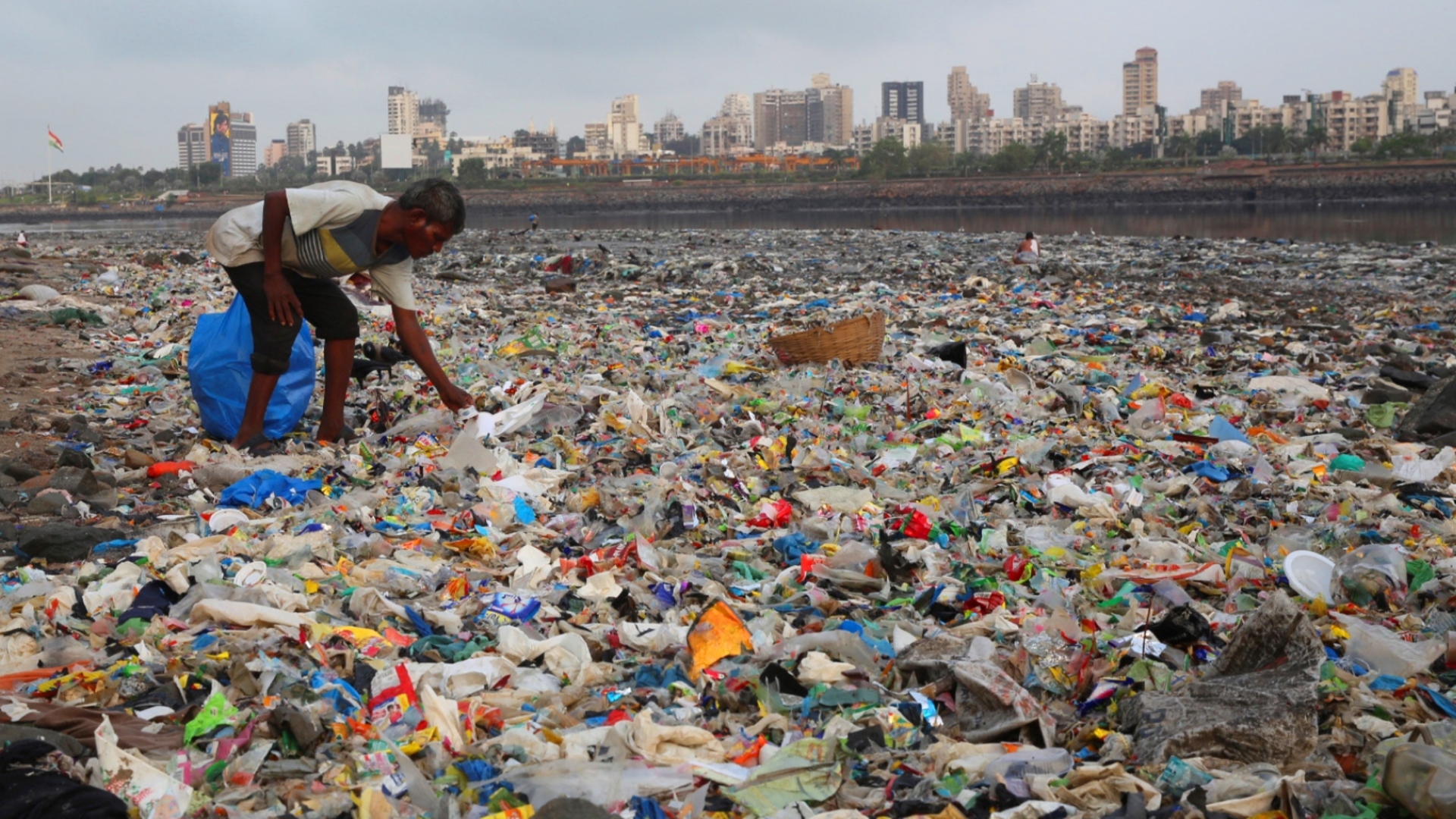
This shift raises concerns about the long-term effects of increased plastic use. As more plastic is produced, the likelihood of microplastics entering the environment and, subsequently, the human body, increases. These microplastics are defined as small plastic particles, typically less than 5 millimeters in size, which can originate from various sources such as the breakdown of larger plastic items or microbeads used in personal care products.
Awareness of Microplastics as a Health Threat
One of the key points raised by Dr Chartres is the growing awareness among the Australian public regarding the potential health threats posed by microplastics. “One of the things that a lot of people in the Australian public are becoming aware of is awareness of microplastics is potentially a health threat,” he noted.
This heightened awareness is crucial as it encourages individuals and communities to take action. The presence of microplastics in water, food, and even the air has led to increased scrutiny of their effects on human health. Researchers are investigating whether these particles can cause inflammation, hormonal disruption, and other health issues.
The concern is not just limited to the environment. As microplastics find their way into the food chain, they pose a risk to both wildlife and humans. Studies have shown that microplastics can absorb toxic chemicals, which may then be ingested by marine life and eventually by humans through seafood consumption.
The Need for Action
While the scientific community continues to research the full extent of microplastics’ impact, it is clear that immediate action is needed. Governments, industries, and individuals must work together to reduce plastic waste and minimize the release of microplastics into the environment.
Some steps that can be taken include:
- Reducing the use of single-use plastics, such as straws, bags, and bottles.
- Supporting and investing in biodegradable alternatives to traditional plastics.
- Promoting recycling and proper disposal of plastic waste to prevent it from entering waterways and oceans.
Public education is also essential. By increasing awareness, individuals can make informed choices about their consumption habits and advocate for stronger environmental policies.
Conclusion
As the conversation around microplastics continues to grow, it is vital to remain informed and proactive. The insights provided by experts like Dr Nicholas Chartres highlight the importance of addressing this issue before it becomes a more significant threat to public health. With collective effort and ongoing research, it is possible to mitigate the risks associated with microplastics and create a safer environment for future generations.