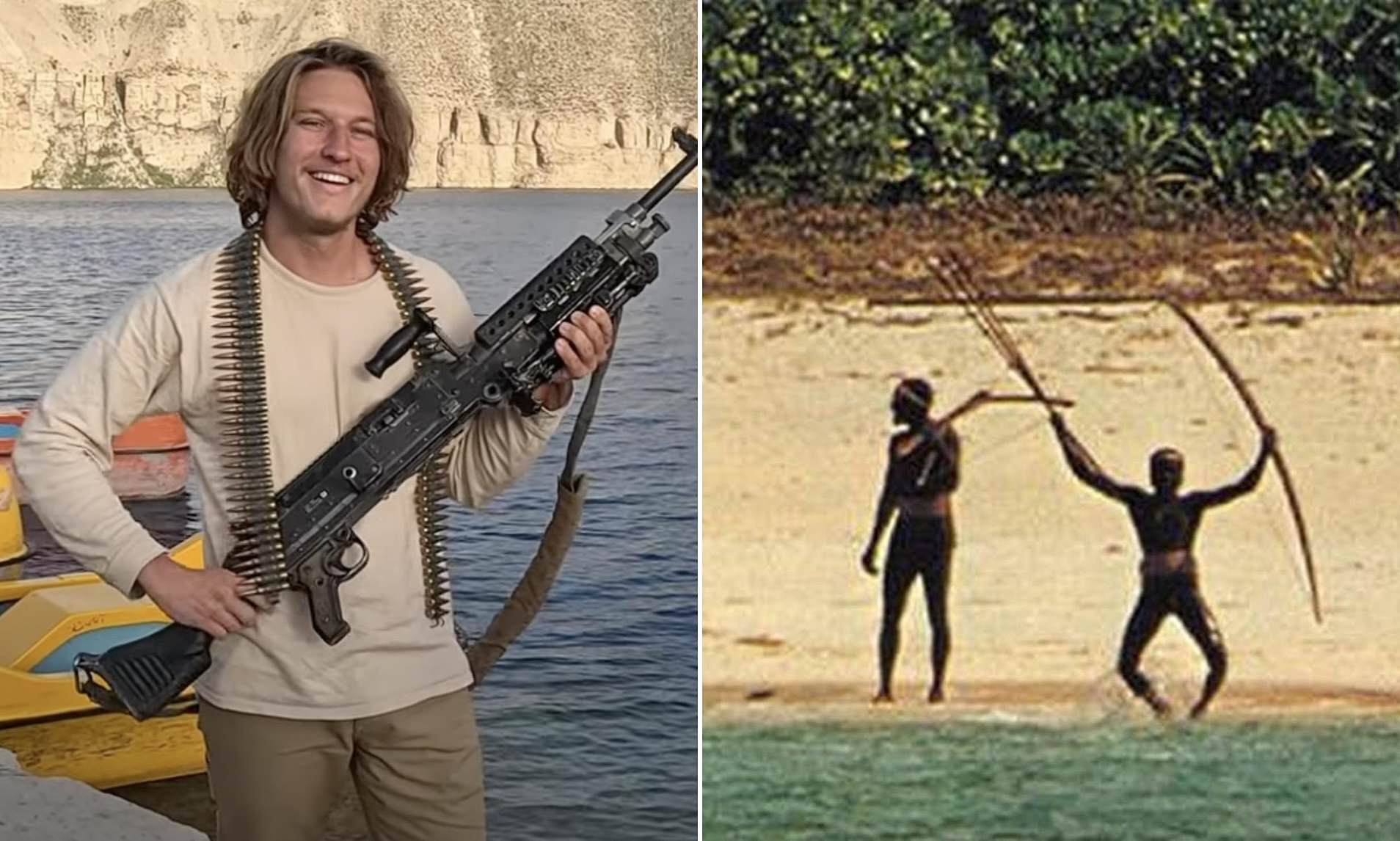
The Controversial Visit to North Sentinel Island
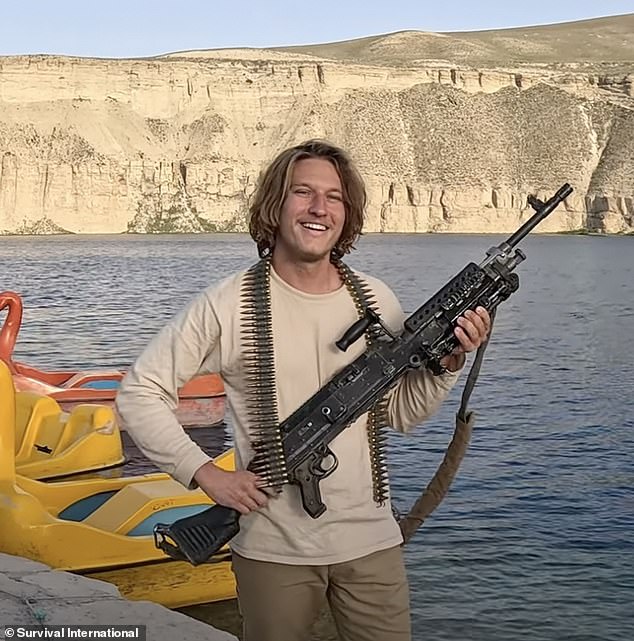
An American YouTuber, Mykhailo Viktorovych Polyakov, 25, has been arrested after visiting an isolated tribe in the Indian Ocean and leaving a Diet Coke can as an offering. His actions have sparked significant controversy and legal repercussions.
Polyakov was detained in March last year, two days after he set foot on the restricted territory of North Sentinel Island, which is part of India’s Andaman and Nicobar Islands. He aimed to meet the reclusive Sentinelese tribe, known for their isolation from the rest of the world.
During his visit, Polyakov filmed the stunt for his YouTube channel. He stayed on the island for about an hour, blowing a whistle to attract attention, but received no response from the islanders, according to police reports.
He left a can of Diet Coke and a coconut as an offering, made a video on his camera, and collected some sand samples before returning to his boat. On his return, he was spotted by local fishermen who informed the authorities, leading to his arrest in Port Blair, the capital of the Andaman and Nicobar Islands, an archipelago nearly 750 miles east of India’s mainland.
A case was registered against him for violating Indian laws that prohibit any outsider from interacting with the islanders. A court in Port Blair rejected Polyakov’s application for bail this week and extended his judicial custody. If found guilty, he could face up to five years in prison. He is scheduled to appear before the court again on April 29, according to police.
Protection of the Sentinelese Tribe
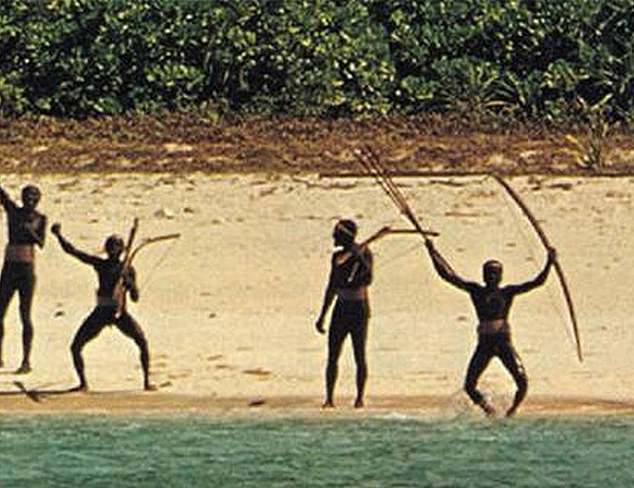
Visitors are banned from traveling within three miles of the island, whose population has been isolated from the rest of the world for thousands of years. The inhabitants use spears, bows, and arrows to hunt the animals that roam the small, heavily forested island. Deeply suspicious of outsiders, they attack anyone who lands on their beaches.
Indian officials have limited contact to rare ‘gift-giving’ encounters, with small teams of officials and scientists leaving coconuts and bananas for the islanders. Indian ships also monitor the waters around the island, trying to ensure outsiders do not go near the Sentinelese, who have repeatedly made clear they want to be left alone.
At the time of his arrest, police said Polyakov was guided by GPS navigation during his journey and surveyed the island with binoculars before landing. He stayed on the beach for about an hour, blowing a whistle to attract attention, but got no response from the islanders before leaving behind a Diet Coke and a coconut.
Police said Polyakov had conducted detailed research on sea conditions, tides, and accessibility to the island before starting his journey.
Legal and Ethical Concerns
“He planned meticulously over several days to visit the island and make contact with the Sentinel tribe,” said Senior Police Officer Hargobinder Singh Dhaliwal. In a statement, police at the time said Polyakov’s “actions posed a serious threat to the safety and well-being of the Sentinelese people, whose contact with outsiders is strictly prohibited by the law to protect their indigenous way of life.”
An initial investigation revealed Polyakov had made two previous attempts, in October last year and January, to visit the islands, including in an inflatable kayak. Police said Polyakov was drawn to the island due to his passion for adventure and extreme challenges, and was fascinated by the mystique of the Sentinelese people.
Survival International, a group that protects the rights of Indigenous peoples, called Polyakov’s attempted contact with the tribes of North Sentinel “reckless and idiotic.” “This person’s actions not only endangered his own life, but they also put the lives of the entire Sentinelese tribe at risk,” the group’s director, Caroline Pearce, said in a statement.
Experts have warned that reaching uncontacted tribes is unsafe for adventurers themselves, as they risk getting killed by Indigenous groups. In 2018, American missionary John Chau was murdered when he attempted to make contact with one of the world’s most isolated Indigenous groups on North Sentinel Island, off the coast of India.
Survival International has also explained how outsiders can introduce diseases to which isolated tribes have no immunity.