Measles Case Identified in Maryland
A resident from the Baltimore area has been diagnosed with measles, marking the first case of the highly contagious disease in Maryland for 2026. The Maryland Health Department is currently working to identify anyone who may have come into contact with the individual during their infectious period.
The potential exposure occurred at several locations and times:
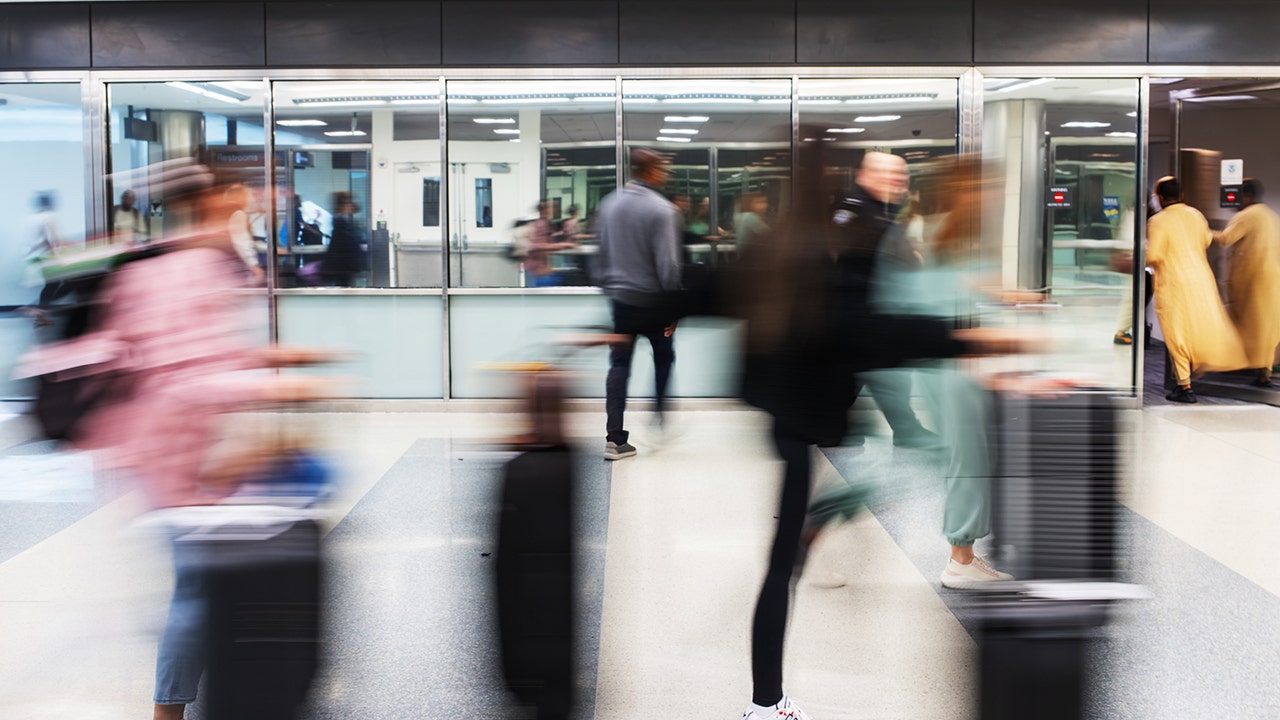
- BWI Thurgood Marshall Airport: At the customs federal inspection station in the international terminal arrivals area, and the lower level international bag claim area, between 7:50 p.m. and 10:30 a.m. on April 12.
- FastMed Urgent Care: Located at 2827 Smith Avenue in Baltimore, from 5 p.m. to 8 p.m. on April 14, and again from 12 p.m. to 3:30 p.m. on April 17.
- Sinai Hospital: In the emergency department main waiting area and pediatric emergency department, from 3:30 p.m. to 7:10 p.m. on April 17.
This is the first reported case in 2026, following three cases in 2025, one in 2024, and one in 2023. There were no confirmed cases between 2020 and 2022.
Understanding Measles
Measles is a highly contagious viral illness that spreads easily through the air when an infected person breathes, coughs, or sneezes. According to the Maryland Health Department, the virus can remain active in the air for up to two hours after an infected person has left a room.
Symptoms typically include:
- High fever
- Cough
- Runny nose
- Red and watery eyes
A red or blotchy rash often appears a few days after the initial symptoms and can last nearly a week. The World Health Organization (WHO) notes that measles is a serious airborne disease that can lead to complications such as pneumonia, encephalitis, or even death.
It is important to note that symptoms may not appear until 10 to 14 days after exposure.
What to Do If Exposed
If you believe you may have been exposed to measles, it is crucial to check your vaccination status. According to Maryland health officials, individuals who have received two doses of the measles vaccine or were born before 1957 are considered protected.
For those who are not vaccinated, it is recommended to monitor for symptoms for 21 days after the potential exposure. If a fever develops, individuals should contact health officials immediately and avoid public places to prevent further spread.
Preventing Measles Through Vaccination
Maryland health officials strongly encourage eligible individuals to get fully vaccinated against measles. The measles vaccine is typically administered in two doses: the first dose between 12–15 months of age, and the second dose between 4–6 years old. In some cases, a dose may be given as early as six to 12 months if there is planned travel to areas with ongoing measles transmission.
“Vaccination remains essential to protecting ourselves, our families, and our communities against measles and other infectious diseases,” said Dr. Meg Sullivan, Deputy Secretary for Public Health Services at the Maryland Department of Health. “Talk with your healthcare provider to ensure you and your family are up to date with all recommended vaccines, including the MMR vaccine.”