Record Highs in Early Admission Cutoff Scores for Semiconductor Contract Departments
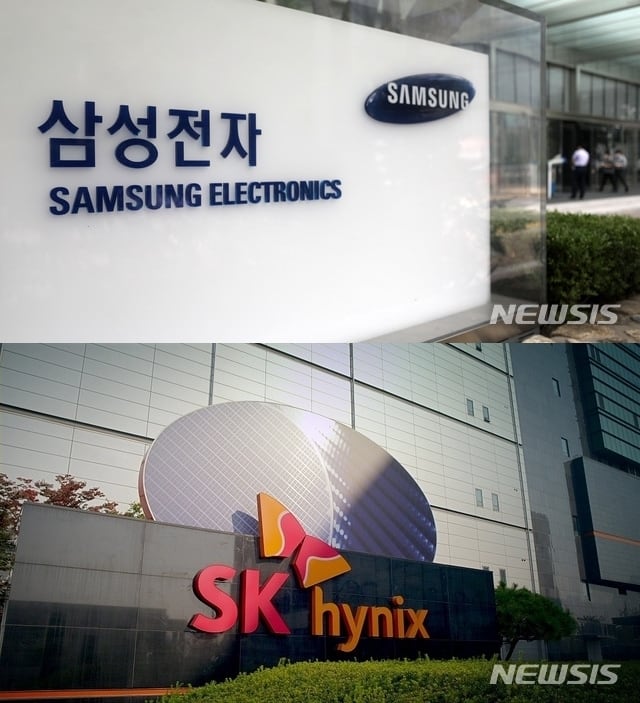
The early admission cutoff scores for semiconductor contract departments at Yonsei University and Korea University for the 2026 academic year have reached record highs. This surge is largely attributed to the ongoing boom in the semiconductor industry, which has led to significant performance-based bonuses at major companies such as Samsung Electronics and SK Hynix. As a result, these contract departments have become increasingly popular among students.
According to data from Jongro Academy on the 26th, the early admission cutoff score (calculated as the average of academic and comprehensive evaluations) for Yonsei University’s System Semiconductor Engineering Department—a program affiliated with Samsung Electronics—was recorded at 1.47 grade for the 2026 academic year. This represents a substantial increase from the 3.1 grade in the 2021 academic year, when the department was first introduced. The current score marks the highest in the past six years.
Similarly, Korea University’s Semiconductor Engineering Department, which is linked to SK Hynix, also set a new record for its early admission cutoff score. The average of academic excellence and major suitability for this program was recorded at 2.68 grade, reflecting the growing demand for semiconductor-related education.
Increased Competition and Industry Trends
The popularity of semiconductor contract departments has surged in recent years. Notably, programs linked to SK Hynix at Korea University, Sogang University, and Hanyang University have seen early admission competition rates exceeding 30 to 1. This surpasses the competition rates for Samsung Electronics-affiliated departments. The memory super-boom driven by AI semiconductors has further fueled interest in these programs, with SK Hynix projected to offer performance bonuses worth billions of won over the next few years.
This trend has not only increased the competitiveness of these departments but also reshaped the perception of top-tier academic fields. A new term has emerged to describe the combination of traditional high-demand majors such as medical, dental, Korean medicine, pharmacy, and veterinary schools with semiconductor departments. This neologism reflects the shifting priorities of students seeking both academic excellence and strong employment prospects.
Industry Growth and Student Preferences
Lim Seong-ho, head of Jongro Academy, highlighted that the growth potential of the semiconductor industry and its corporate-linked employment structure have significantly enhanced its appeal among top-tier students. He noted that the traditional flow of high-achieving students toward medical schools and Seoul National University’s engineering college may see a partial shift toward semiconductor contract departments.
This shift underscores the evolving landscape of higher education in South Korea. As the semiconductor industry continues to expand, it is becoming an attractive option for students who seek both academic rigor and career stability. The increasing number of contract departments and their rising cutoff scores indicate a broader trend where students are aligning their educational choices with the demands of the job market.
Emerging Trends in Higher Education
The rise of semiconductor contract departments has also sparked discussions about the future of higher education. With the growing emphasis on technology and innovation, universities are adapting their curricula to meet industry needs. This has led to the development of specialized programs that combine theoretical knowledge with practical training, often supported by partnerships with leading corporations.
Moreover, the success of these programs has encouraged other institutions to explore similar collaborations. As more universities establish contract departments, the competition for admission is expected to intensify. This could lead to even higher cutoff scores and greater selectivity in the coming years.
In addition to the academic and professional benefits, these programs also offer unique opportunities for students. For instance, they may provide access to internships, research projects, and direct employment pathways with industry leaders. These advantages make semiconductor contract departments an appealing choice for students looking to build a successful career in a rapidly evolving field.
Conclusion
The record-high cutoff scores for semiconductor contract departments at Yonsei University and Korea University reflect the growing importance of the semiconductor industry in South Korea. As the sector continues to expand, these departments are becoming increasingly competitive and attractive to students. The shift in student preferences highlights the changing dynamics of higher education, where academic choices are increasingly influenced by industry trends and career prospects. With the continued growth of the semiconductor industry, it is likely that these programs will remain a focal point for aspiring students in the years to come.